Gorongosa National Park, in central Mozambique, was once one of Africa’s great wildlife parks. During Mozambique’s civil war (1977–1992) and its aftermath, more than 90% of its large animals were killed. Since 2008, the Gorongosa Project, a partnership between Mozambique’s government and a US-based foundation, has helped rebuild it. Aerial counts now find more than 100,000 large animals, wild dogs and other species have been reintroduced, and the park has become a model for combining conservation with human development.
At a glance
| Best time | May to November (dry season) |
| Getting there | Fly to Beira, then 3 to 4 hours by road or a charter flight |
| Time needed | 3 to 4 nights |
| Big draws | A conservation success story, wild dogs, lions, elephants, birds |
| Good for | Second safaris, people interested in conservation and science |
Wildlife
- Waterbuck are now the most numerous large mammal, alongside impala, warthogs, reedbuck, sable, wildebeest and zebras.
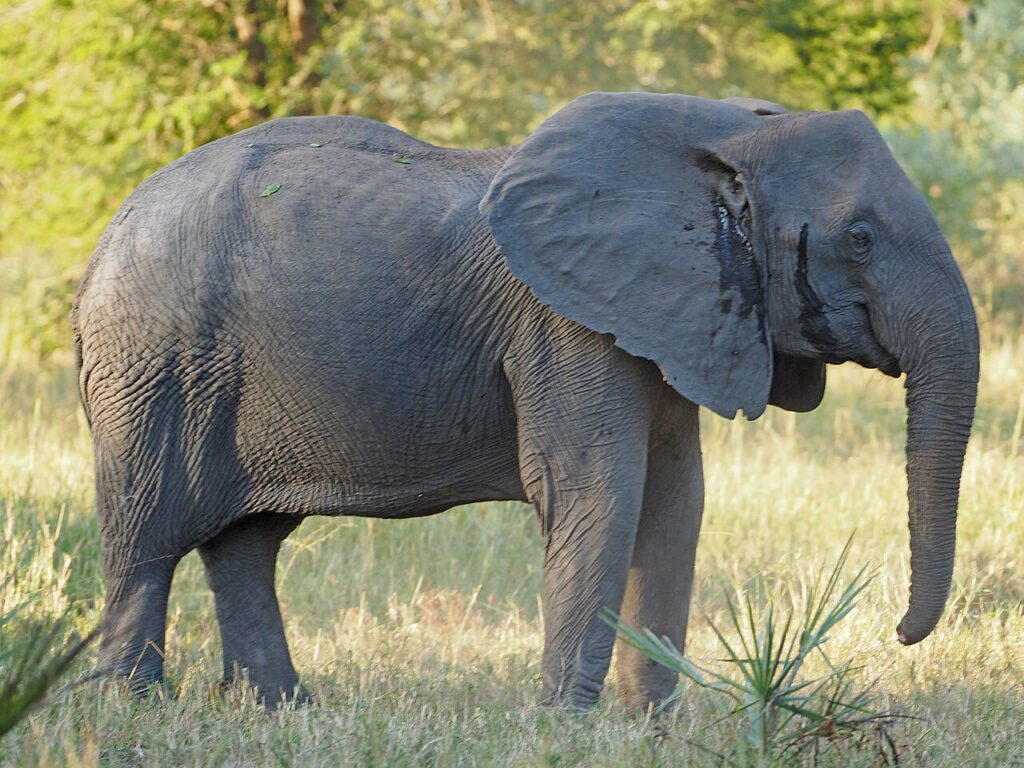
- Elephants: many female elephants here are born without tusks, an evolutionary response to heavy ivory poaching during the war, as a 2021 scientific study showed. See our African elephant profile.
- Lions: the population has recovered from a small number of survivors.
- Wild dogs: reintroduced from 2018 and breeding successfully. See our African wild dog profile.
- Leopards, hippos and crocodiles are also present.
- Birds: more than 400 species, including many waterbirds around Lake Urema.
Science and community
- The E.O. Wilson Biodiversity Laboratory trains Mozambican scientists and has discovered many new species in the park.
- Mount Gorongosa, part of the park, is being reforested with the help of local farmers who grow shade coffee.
- Community programmes include health care, girls’ education clubs and agriculture, reflecting the idea that the park must benefit the people around it.
When to go
- May to November: dry season, best for game viewing. It gets hot from September.
- December to April: the rains. Parts of the park flood and some areas may close; check before travelling.
Getting there
Fly to Beira (with connections from Johannesburg and Maputo), then drive about 3 to 4 hours or take a charter flight to Chitengo, the park headquarters.
Where to stay
Options include the park’s Chitengo Camp and small luxury camps in partnership with the park.
Frequently asked questions
Is Gorongosa worth visiting? Yes, especially if you are interested in conservation. Wildlife is recovering fast, and you see a park being rebuilt.
Can you see the Big Five in Gorongosa? Lions, elephants, buffalo and leopards are present, but rhinos are not currently part of the park’s population.
Is Gorongosa safe? Tourism operates in the park, but check current government travel advice for the region before booking.
Why do Gorongosa’s elephants have no tusks? Poaching during the war targeted elephants with tusks, so tuskless females survived and passed on the trait.
Related guides
- Swimming with whale sharks and mantas in Tofo
- Liwonde and Majete: Malawi’s wildlife revival
- Rewilding Europe
- Animal profiles: African elephant, African wild dog, Lion
Cover photo: Judy Gallagher, CC BY 2.0, via Wikimedia Commons