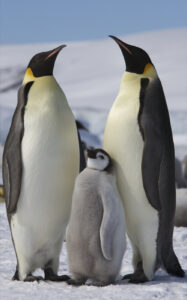
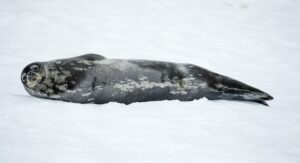
The leopard seal is a sleek, powerful predator with a large reptile-like head. It is usually solitary and hard to study in the vast pack ice, so much of its behaviour remains poorly known.
Interesting facts
- The leopard seal is the second-largest seal in the Antarctic after the southern elephant seal.
- Its spotted coat gives it its name.
- Leopard seals often wait near penguin colonies to ambush birds entering the water.
- Males sing underwater during the breeding season.
- A leopard seal’s jaws can open very wide, and its canine teeth are about 2.5 cm long.
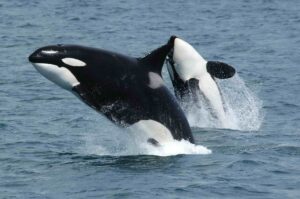
- They are one of the top predators of the Southern Ocean, alongside orcas.
Behaviour
Leopard seals hunt alone. They can be curious towards boats and divers; the photographer Paul Nicklen famously described a female repeatedly bringing him penguins.
Breeding and young
Females give birth to a single pup on the pack ice in the southern summer. Pups are nursed for about a month.
Threats and conservation
Considered secure, but reliant on sea ice and on krill, both of which are affected by climate change.
Where to see it
- Antarctic Peninsula (expedition cruises)
- South Georgia
Status source: IUCN Red List. Profile last reviewed September 2026.
Where to see the leopard seal
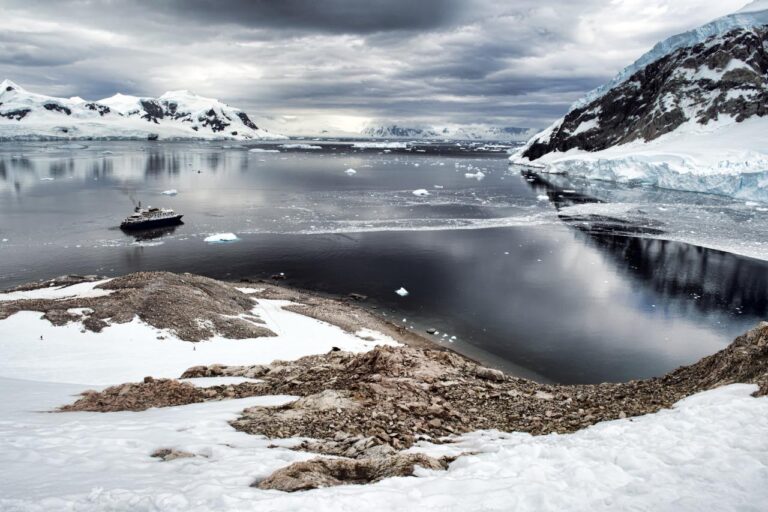 Antarctica Cruise Guide: Penguins, Whales and the Drake PassagePenguin colonies, breaching whales and towering icebergs. How to choose the right Antarctic route, month and ship for…
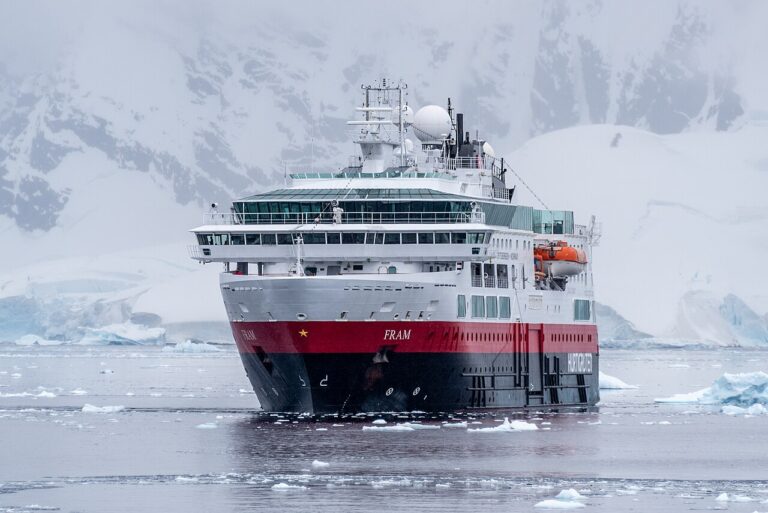 Choosing an Antarctica Expedition ShipThe ship you choose shapes your whole Antarctic experience. What to look for, from size and landings to…
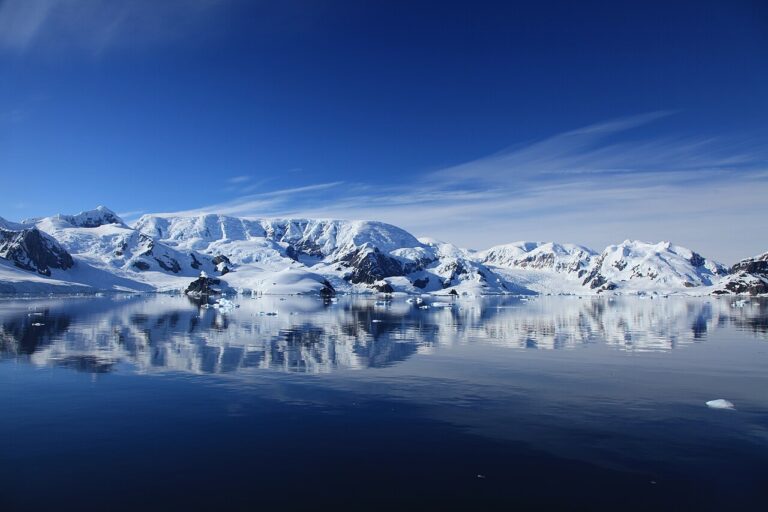 What to Pack for a Polar ExpeditionLayers, waterproofs and the right accessories make all the difference in the polar regions. A clear packing list.