The snow leopard is the top predator of the high mountains of Asia, from the Himalaya to the Altai. Estimates suggest around 4,000 to 6,500 remain in the wild, although counting such an elusive animal in remote terrain is extremely difficult.
Interesting facts
- Snow leopards cannot roar; they make a puffing sound called a chuff.
- They wrap their thick tail around their face like a scarf when resting in the cold.
- Large, furry paws work like snowshoes.
- Snow leopards are so rarely seen that they are called the ‘grey ghost of the mountains’.
- About 60 percent of their habitat is in China.
- Their smoky grey coat is superb camouflage against rock and snow.
Behaviour
Snow leopards are solitary and most active at dawn and dusk. They patrol ridgelines and cliff bases and leave scent marks and scrapes along regular routes. Home ranges can be very large where prey is scarce.
Breeding and young
Females give birth to 2 to 3 cubs in rocky dens in early summer, after about 95 days. Cubs stay with their mother for about 18 to 22 months.
Threats and conservation
Poaching for fur and bones, retaliatory killing by herders, loss of wild prey, infrastructure and mining in mountain habitats, and climate change shrinking alpine zones.
Where to see it
- Hemis National Park, Ladakh, India
- Spiti Valley, India
- Altai Mountains, Mongolia
- Upper Mustang and Dolpo, Nepal (rarely)
Status source: IUCN Red List. Profile last reviewed September 2026.
Where to see the snow leopard
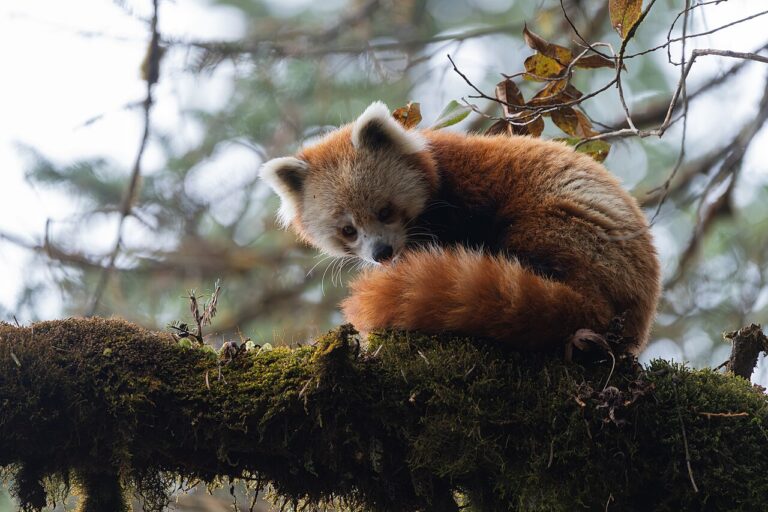 Red Panda Trekking in NepalSeeing a wild red panda in a Himalayan forest is a rare privilege. Where to look in Nepal,…
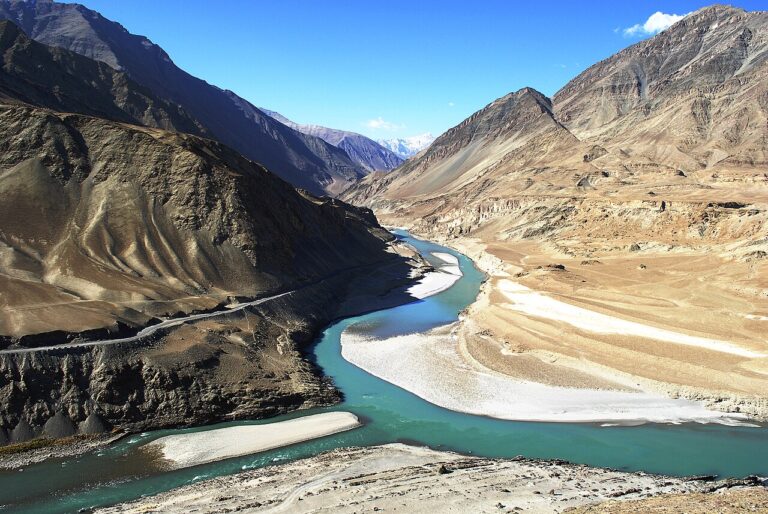 Snow Leopard Tours in Ladakh: How to See the Ghost of the MountainsWinter in Ladakh offers one of the best chances on Earth to see a wild snow leopard. Where…
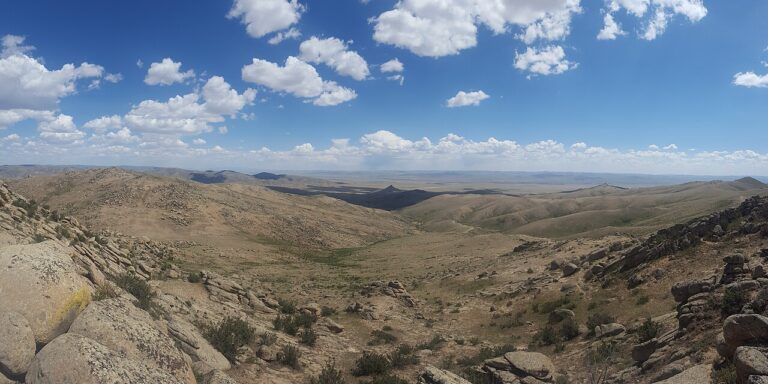 Mongolia Wildlife: Przewalski’s Horses, Snow Leopards and Steppe EaglesMongolia's vast steppes, deserts and mountains hold wild horses, snow leopards and huge skies. Where to go and…