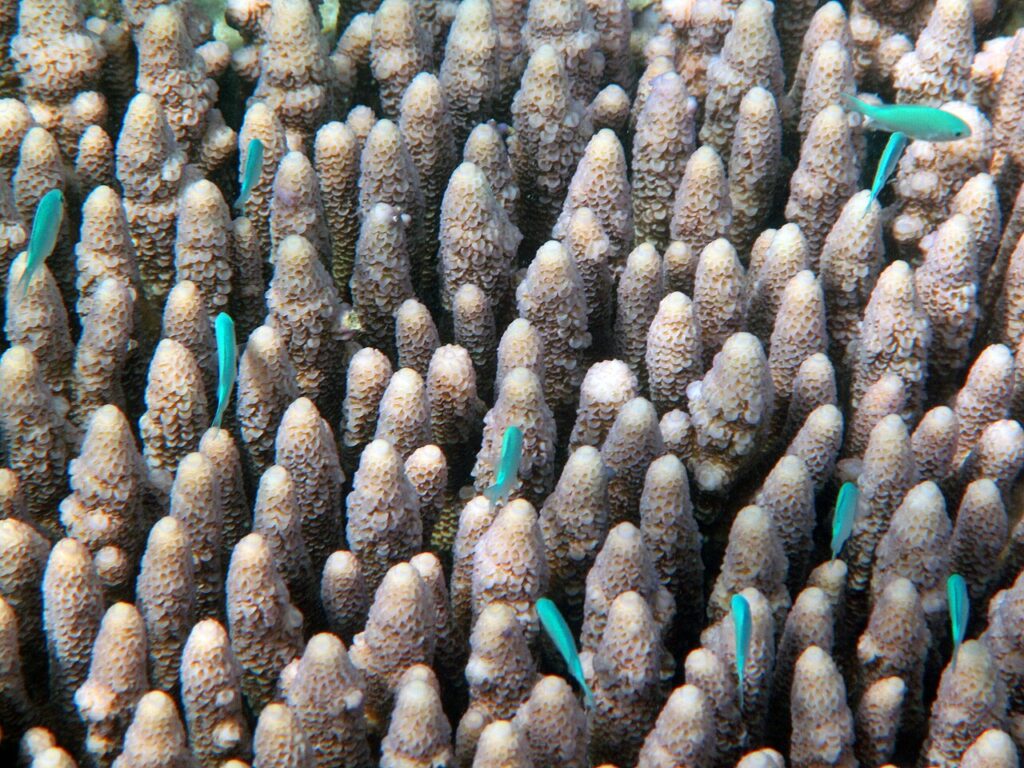
The Great Barrier Reef, off the coast of Queensland in northeastern Australia, is the largest coral reef system on Earth. It stretches about 2,300 km and is made up of around 2,900 individual reefs and 900 islands. It supports more than 1,500 species of fish, 400 or more types of hard coral, six of the world’s seven sea turtle species, dugongs, whales, sharks and rays. It was listed as a UNESCO World Heritage Site in 1981 and is protected within the Great Barrier Reef Marine Park.
Great Barrier Reef at a glance
| Best time | June to October: dry, clear water, outside stinger season |
| Stinger season | Roughly November to May: wear a full-body stinger suit when swimming |
| Main gateways | Cairns, Port Douglas, Airlie Beach (Whitsundays), Townsville, Bundaberg, Gladstone |
| Ways to visit | Day boats to outer reefs and pontoons, liveaboard dive trips, island resorts, scenic flights |
| Famous for | Coral gardens, sea turtles, reef sharks, manta rays, dwarf minke whales, humpbacks |
Where to go
Cairns and Port Douglas (far north)
The most popular gateways, with daily boats to the outer reef, including famous sites like Agincourt Reef, Michaelmas Cay (seabird colony), Green Island and Moore Reef. Port Douglas is close to the Daintree Rainforest, another World Heritage Site, making it ideal for reef-and-rainforest trips. Liveaboards visit the Ribbon Reefs and Osprey Reef in the Coral Sea, known for sharks and exceptional visibility.
The Whitsundays
A group of 74 islands off Airlie Beach, famous for Whitehaven Beach, Hill Inlet, sailing trips and scenic flights over Heart Reef. Fringing reefs offer calm snorkelling, and humpback whales calve here from about July to September.
Townsville and Magnetic Island
Townsville is home to the SS Yongala wreck, one of Australia’s best dives, with giant groupers, sea snakes, rays and turtles. Magnetic Island has koalas in the wild, as well as good fringing reefs.
Southern Great Barrier Reef
- Lady Elliot Island: a coral cay with manta rays year-round and turtles; flights from Bundaberg, Hervey Bay and the Gold Coast.
- Heron Island: a research station and resort with superb reef walking, snorkelling and turtle nesting.
- Mon Repos, near Bundaberg: the largest loggerhead turtle nesting site in the South Pacific, with ranger-guided turtle encounters.
Wildlife calendar
| Months | Highlight |
|---|---|
| June to July | Dwarf minke whale swims on the Ribbon Reefs (from permitted operators) |
| July to September | Humpback whales in the Whitsundays and along the coast |
| November to December | Coral spawning a few nights after a full moon |
| November to March | Turtle nesting on southern islands and Mon Repos |
| January to April | Turtle hatchlings emerge |
| Year-round | Manta rays at Lady Elliot Island, reef sharks, groupers, clownfish and giant clams |
Coral bleaching and the reef’s future
The Great Barrier Reef has suffered repeated mass coral bleaching since 2016, driven by marine heatwaves linked to climate change. Other threats include crown-of-thorns starfish outbreaks, cyclones and poor water quality from land runoff. Some reefs have shown encouraging recovery between events, while others have been badly damaged. Tourism operators and scientists work together on monitoring, starfish control, coral restoration and citizen science. Visiting the reef is still worthwhile, and tourism supports its management through the Environmental Management Charge included in tour prices.
How to visit responsibly
- Choose a certified operator. Look for High Standard Tourism Operators or eco-certification.
- Never touch or stand on coral. Practise buoyancy control and wear fins carefully.
- Use reef-friendly sunscreen and cover up with a stinger suit or rash guard.
- Keep your distance from turtles, whales and dugongs, and follow the operator’s rules.
- Contribute to citizen science with the “Eye on the Reef” program by reporting sightings.
Safety
- In stinger season, box jellyfish and Irukandji jellyfish may be present close to the coast and around islands. Wear a stinger suit and swim at patrolled beaches with nets where available.
- Heat and sun are intense. Drink plenty of water and use sun protection.
- Choose operators with lookouts and a good safety briefing for snorkellers.
Frequently asked questions
When is the best time to visit the Great Barrier Reef? June to October offers dry weather, good visibility and no stinger season. The reef can be visited all year, with stinger suits from about November to May.
Is the Great Barrier Reef still worth visiting? Yes. Despite serious bleaching events, many reefs remain beautiful and full of life, and responsible tourism supports reef protection and monitoring.
Cairns or the Whitsundays? Cairns and Port Douglas give easy access to the outer reef and rainforest. The Whitsundays are best for sailing, beaches and island scenery.
Can non-swimmers see the reef? Yes. Glass-bottom boats, semi-submersibles, underwater observatories and reef pontoons let non-swimmers see coral and fish.
Related guides
- Komodo National Park guide
- Wildlife of Australia
- Responsible wildlife tourism
- Animal profiles: Green Sea Turtle, Clownfish, Box Jellyfish, Humpback Whale, Saltwater Crocodile
Cover photo: Steve Evans from Citizen of the World, CC BY 2.0, via Wikimedia Commons