Madagascar is a world of its own: around 90% of its wildlife is found nowhere else. The best way to see its variety on a first trip is to follow the RN7, the main road from the capital to the south-west coast, which passes through rainforest, highland villages, sandstone canyons and spiny desert. This two-week itinerary begins with the indris of Andasibe and ends by the sea.
At a glance
| Best time | September to November (also April to June) |
| Getting there | Fly into Antananarivo; fly back from Toliara (Tuléar) |
| Time needed | 14 days |
| Big draws | Lemurs, chameleons, baobabs, landscapes, culture |
| Good for | First-time visitors, photographers |
The route
| Day | Route | Highlights |
|---|---|---|
| 1 | Arrive in Antananarivo | Rest; Lemurs’ Park or city tour |
| 2–3 | Andasibe | Indris, diademed sifakas, night walks. See our Andasibe guide |
| 4 | Andasibe to Antsirabe | Long drive through the highlands |
| 5 | Antsirabe to Ranomafana | Ambositra’s woodcarvers on the way |
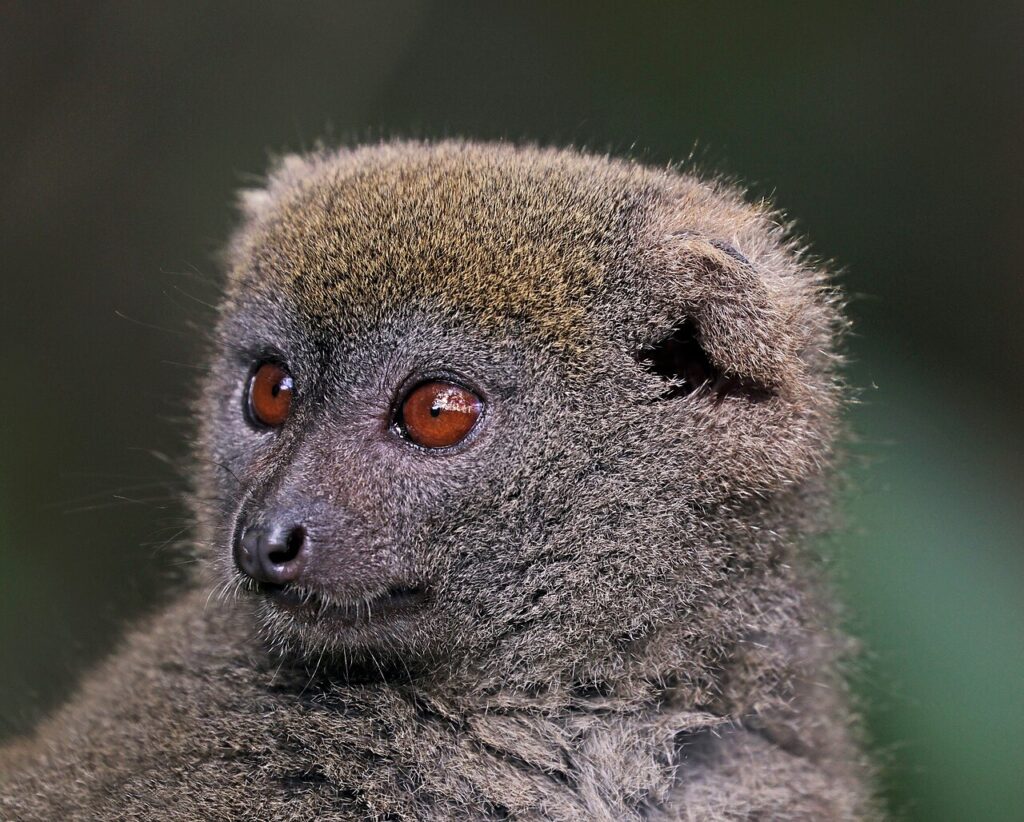
| 6–7 | Ranomafana National Park | Golden and greater bamboo lemurs, Milne-Edwards’ sifaka, night walks |
| 8 | Ranomafana to Ambalavao | Anja Community Reserve for ring-tailed lemurs; paper-making |
| 9–10 | Isalo National Park | Canyons, natural pools, ring-tailed lemurs and Verreaux’s sifakas |
| 11 | Isalo to Ifaty | Zombitse-Vohibasia forest for birds; baobabs |
| 12–13 | Ifaty or Anakao | Spiny forest, birding, beaches |
| 14 | Toliara to Antananarivo | Flight back |
Ranomafana National Park
Ranomafana (“hot water”, after its thermal springs) protects steep, misty rainforest. The park was created in 1991 after the discovery of the golden bamboo lemur in 1986. Researchers at the Centre ValBio station continue to work here.
- Lemurs: golden bamboo lemur, greater bamboo lemur (one of the world’s rarest primates), Milne-Edwards’ sifaka, red-bellied lemur and red-fronted brown lemur.
- Night walks: mouse lemurs, chameleons, frogs and geckos.
- Birds: pitta-like ground rollers and other rainforest specialists.
Anja Community Reserve
A small forest around granite boulders near Ambalavao, managed by the local community, with large groups of habituated ring-tailed lemurs, chameleons and dramatic views. Fees go to the village.
Isalo National Park
A sandstone massif of canyons, gorges and grasslands.
- Hikes lead to natural swimming pools and the Canyon des Makis.
- Verreaux’s sifakas and ring-tailed lemurs live in the canyons.
- Sunset at “La Fenêtre” (the window rock) is famous.
The spiny forest
Around Ifaty, near Toliara, the spiny forest of octopus trees and baobabs is home to unique birds such as the long-tailed ground roller and subdesert mesite, and reptiles like radiated tortoises.
Travel tips
- Hire a car with a driver: roads are poor, driving is slow, and a driver-guide adds knowledge.
- Allow plenty of time: 200 km can take five hours or more.
- Carry cash in ariary; cards are not widely accepted outside cities.
- Park entry and guide fees are paid locally. Local guides are compulsory and excellent.
- Book domestic flights early, and allow for schedule changes.
When to go
- September to November: warm and dry, with baby lemurs and active reptiles. The best time.
- April to June: after the rains, green and pleasant.
- July to August: cool and dry; busy with visitors.
- December to March: hot and wet, with cyclone risk.
Frequently asked questions
How long do I need for Madagascar? Two weeks is ideal for the RN7 route. Madagascar is large and roads are slow.
Is Madagascar safe? Most visits are trouble-free, but petty crime occurs and some areas can be unsafe. Travel with a reputable operator and check current government advice.
Where can I see the most lemurs? Andasibe, Ranomafana, Anja and Isalo together offer a wide variety of lemurs on a single route.
Can I see baobabs on this route? Yes, around Ifaty and Toliara. The famous Avenue of the Baobabs is on the west coast near Morondava, a separate trip.
Related guides
- Madagascar wildlife guide
- Andasibe-Mantadia: hearing the indri sing
- Animal profiles: Ring-tailed lemur, Verreaux’s sifaka, Fossa
Cover photo: Charles J. Sharp, CC BY-SA 4.0, via Wikimedia Commons