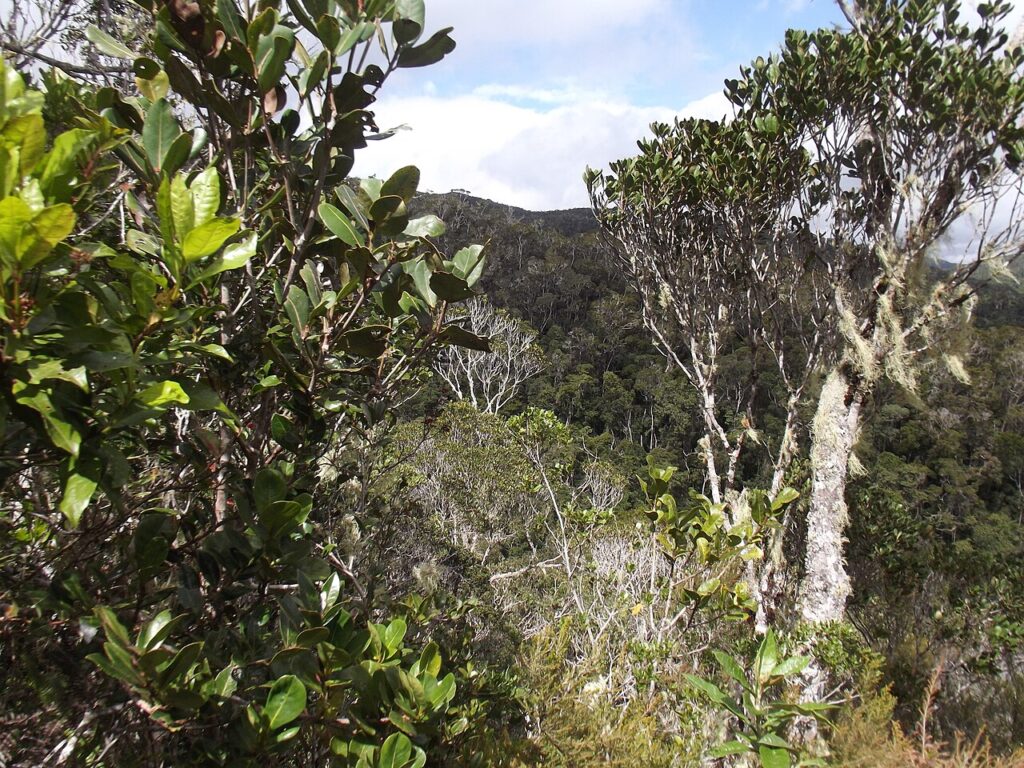
Andasibe-Mantadia National Park, in the rainforests of eastern Madagascar, is the island’s most accessible rainforest park and the best place to see and hear the indri, the largest living lemur. Each morning, family groups of indris sing to each other across the valleys, a haunting chorus that can carry for kilometres. The park also has chameleons, frogs, geckos and a dozen other lemur species.
At a glance
| Best time | September to December |
| Getting there | About 3 to 4 hours by road from Antananarivo |
| Time needed | 2 to 3 nights |
| Big draws | Indri, diademed sifaka, chameleons, frogs, night walks |
| Good for | First-time Madagascar visitors, photographers |
The park
The park has two sections:
- Analamazaotra (often called Andasibe or Périnet): a small, easily accessible reserve with habituated indri groups, reached on good trails.
- Mantadia: a larger, wilder forest to the north, home to the beautiful diademed sifaka and the black-and-white ruffed lemur.
Wildlife
- Indri: black and white, up to about 70 cm tall, with almost no tail. Indris live in small family groups and are strictly protected; they do not survive in captivity. See our indri profile.
- Other lemurs: diademed sifaka, common brown lemur, grey bamboo lemur and, at night, eastern woolly lemurs and mouse lemurs.
- Reptiles: Parson’s chameleon (one of the world’s largest), short-horned chameleons, leaf-tailed geckos and the Madagascar tree boa. See our panther chameleon profile for another Malagasy species.
- Frogs: a huge variety, including tree frogs and the colourful golden mantella in nearby areas.
- Birds: velvet asity, blue coua, nuthatch vanga and other endemics.
Night walks
Night walks along forest edges and in community reserves reveal mouse lemurs, sleeping chameleons, frogs, geckos and insects. Night walks are not usually allowed inside national park trails, but local guides lead them nearby.
Community reserves
- Mitsinjo: a community association managing forest next to the park, with indri groups, reforestation projects and night walks.
- Vakona: a private reserve with a “Lemur Island” where rescued lemurs approach visitors. Many people enjoy it, but these lemurs are habituated and fed, so it is not a wild experience.
When to go
- September to December: warmer, drier weather and baby lemurs; frogs and reptiles are active.
- January to March: hot and very wet; cyclones are possible.
- April to August: cooler and still rainy at times, with lemurs active; fewer reptiles in the coldest months.
Getting there
The park is about 140 km east of Antananarivo on the RN2 road, a drive of 3 to 4 hours. Most visitors hire a car with a driver or join a tour.
Where to stay
Lodges range from simple guesthouses in the village to comfortable eco-lodges near the park entrance.
Tips
- Arrive at the park early in the morning to hear the indris sing.
- Hire a certified local guide at the park office; guides are compulsory and very skilled at spotting chameleons.
- Bring rain gear and waterproof shoes.
- Include both Analamazaotra and Mantadia if you can.
Frequently asked questions
Can I see indri lemurs in Andasibe? Yes. Several habituated groups live in Analamazaotra, and sightings are very likely on a morning walk.
How long should I stay in Andasibe? Two nights allows a visit to both park sections and a night walk.
Is Andasibe good for chameleons? Yes. Guides regularly find several species, including the giant Parson’s chameleon.
When do indris sing? Mostly in the morning, but they may sing at other times of the day.
Related guides
- Madagascar wildlife guide
- Ranomafana and Isalo: a Madagascar wildlife itinerary
- Animal profiles: Indri, Verreaux’s sifaka, Panther chameleon
Cover photo: Smiley.toerist, CC BY-SA 4.0, via Wikimedia Commons