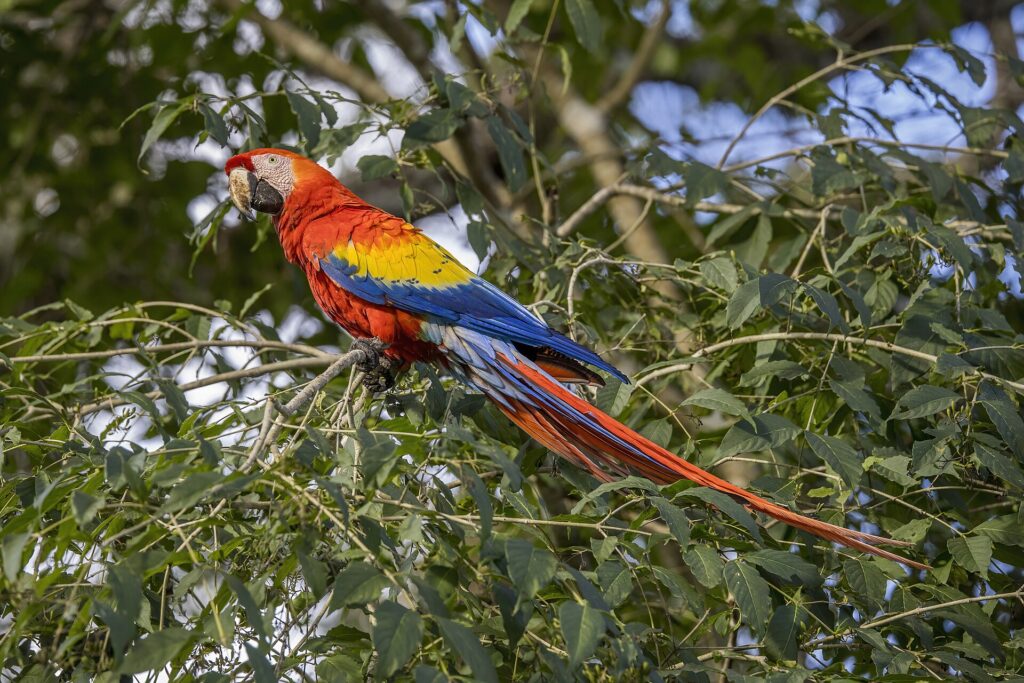
Scarlet Macaw
Scarlet macaws gather in noisy flocks at riverbank clay licks, where eating clay may provide sodium and help neutralise toxins in seeds.
Scarlet macaws gather in noisy flocks at riverbank clay licks, where eating clay may provide sodium and help neutralise toxins in seeds.
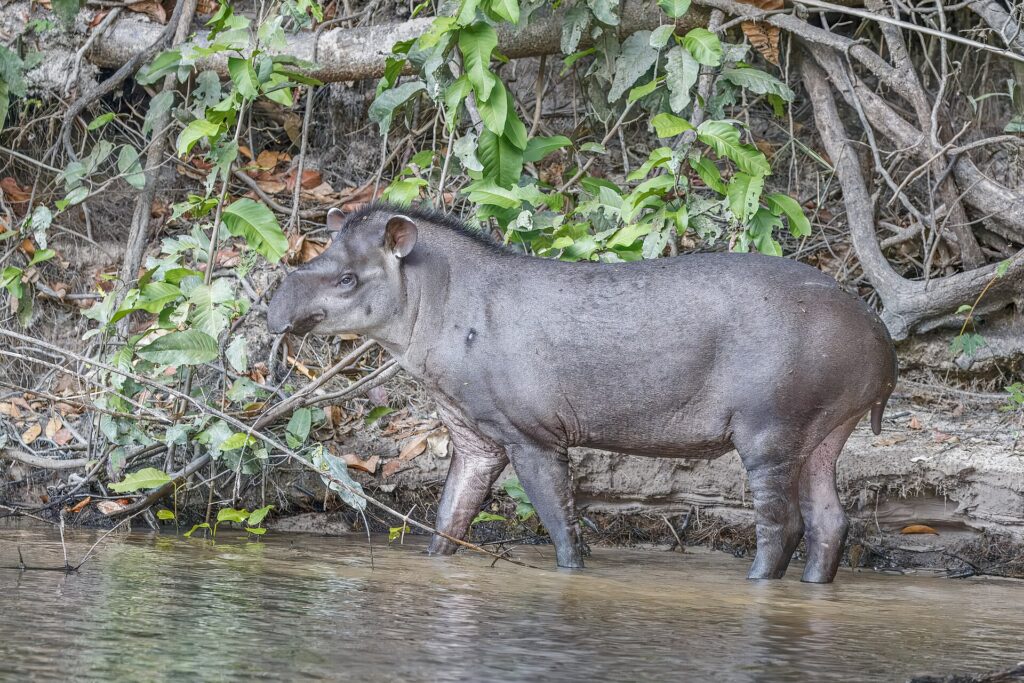
The South American tapir is called the ‘gardener of the forest’ because it swallows fruit and spreads the seeds far and wide in its dung.
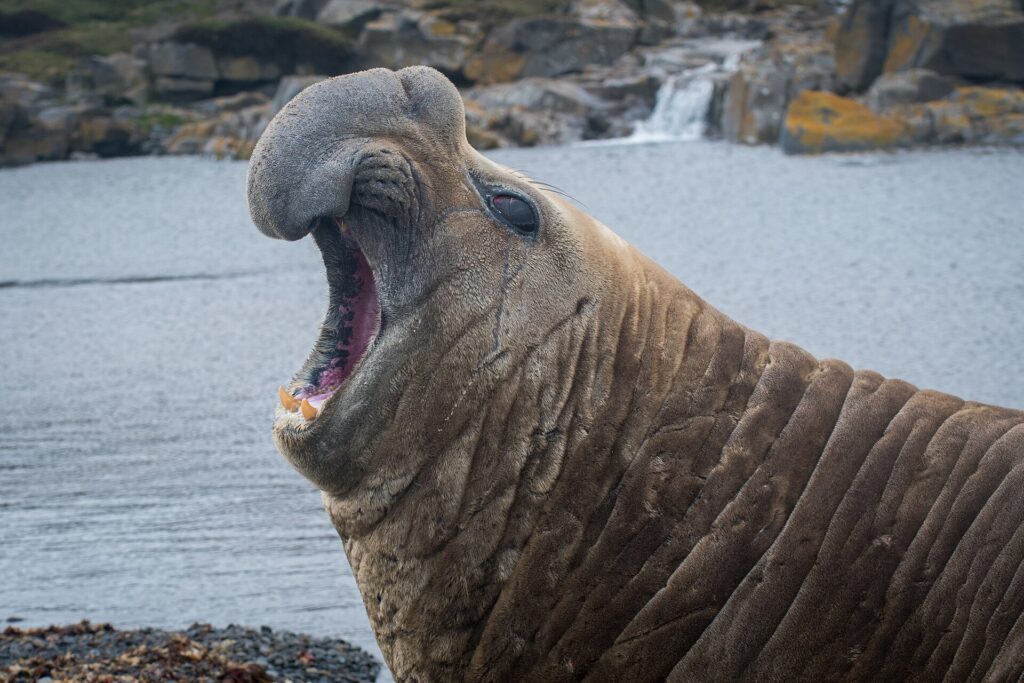
Southern elephant seals can dive deeper than 2,000 metres and stay underwater for up to about two hours.
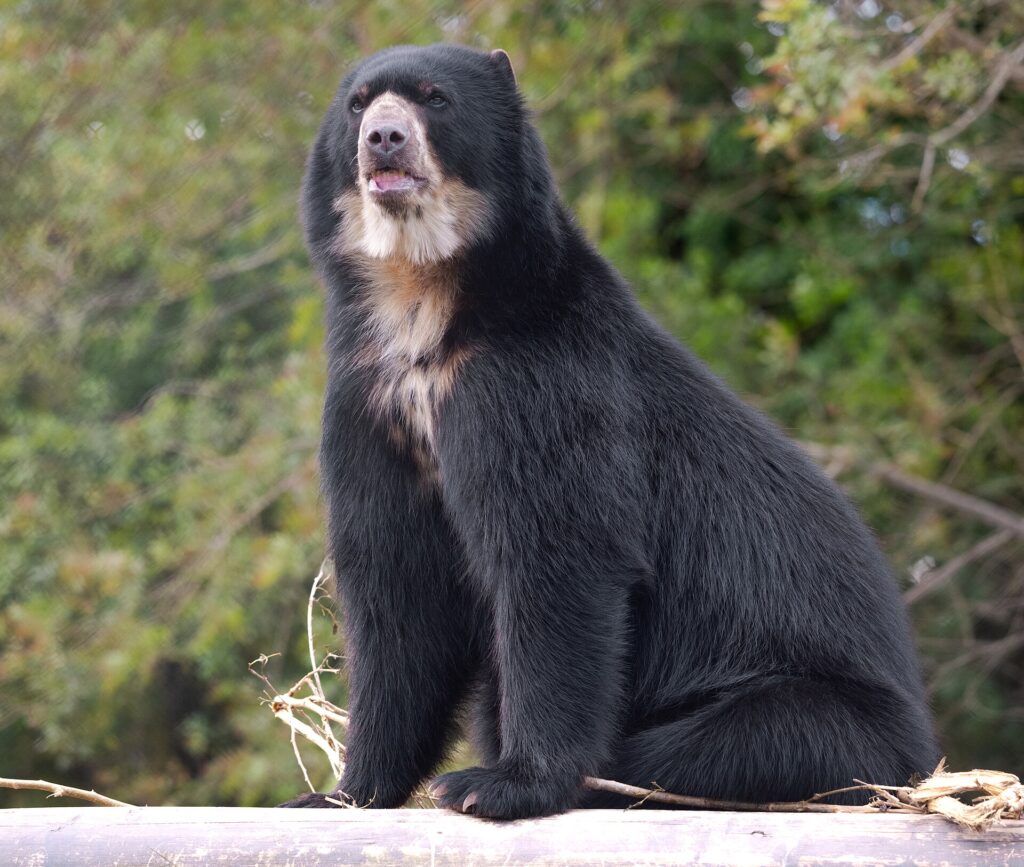
The spectacled bear is South America’s only bear and the last survivor of the short-faced bears, a group that once included giant Ice Age bears.
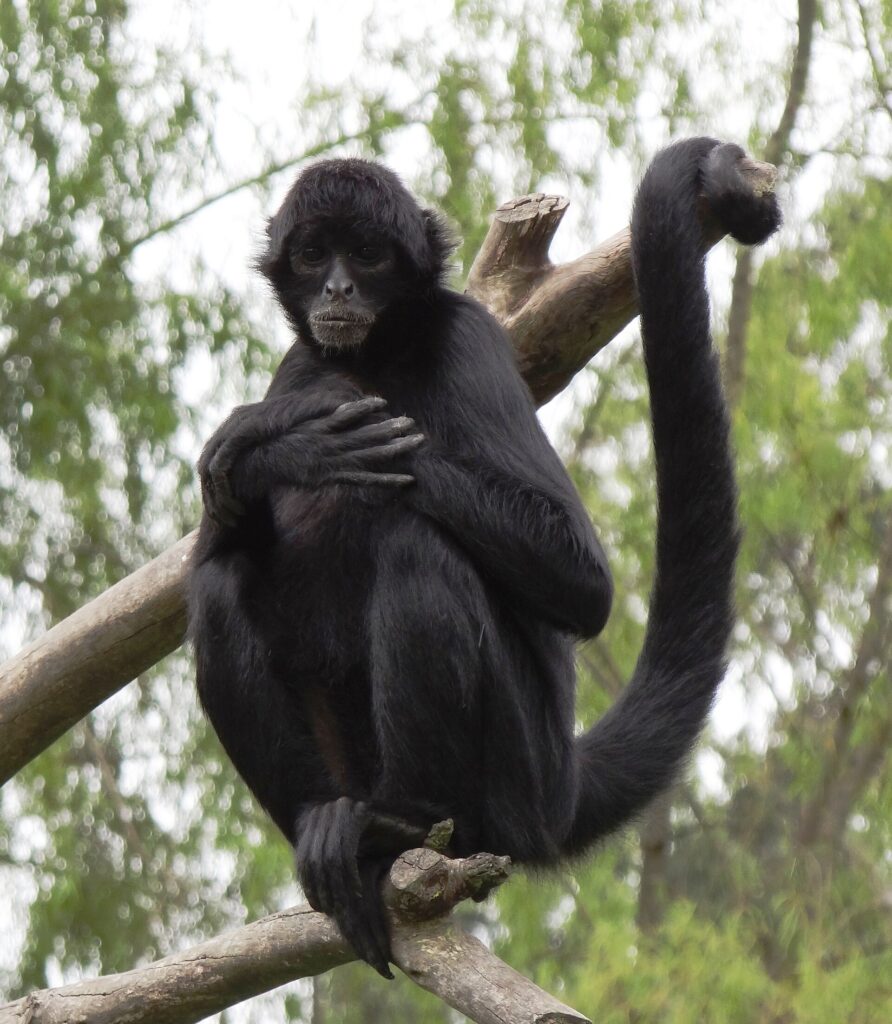
A spider monkey’s tail is like a fifth hand, with a bare, fingerprint-like patch on its underside that grips branches.
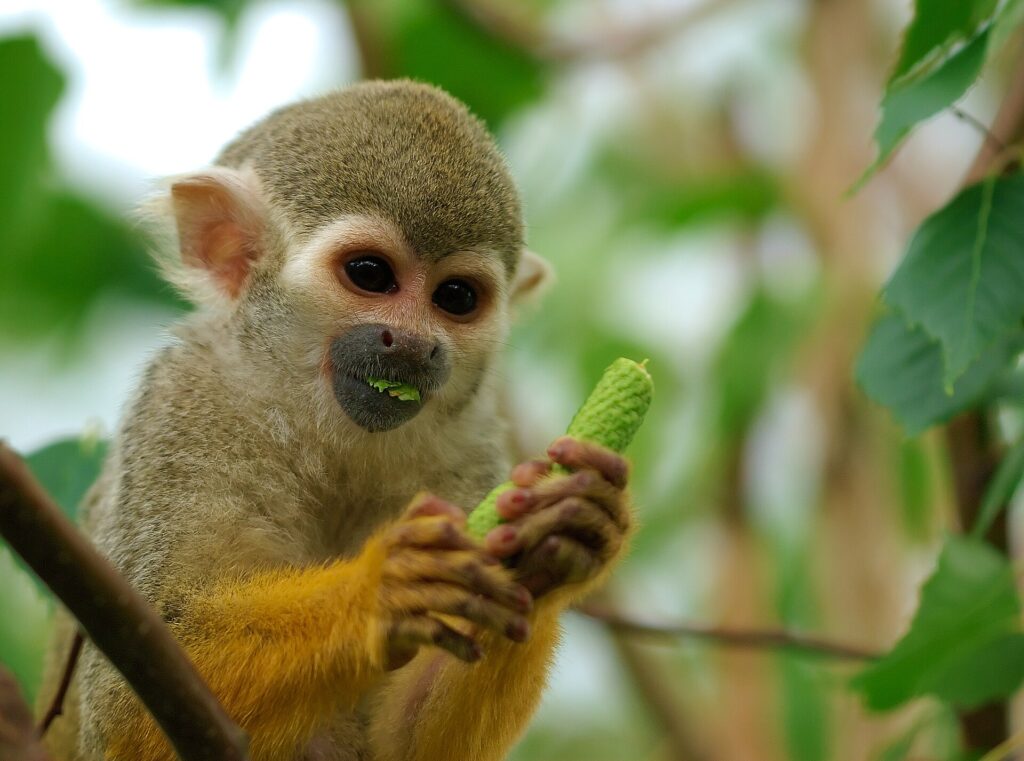
Squirrel monkeys have one of the largest brains relative to body size of any primate.
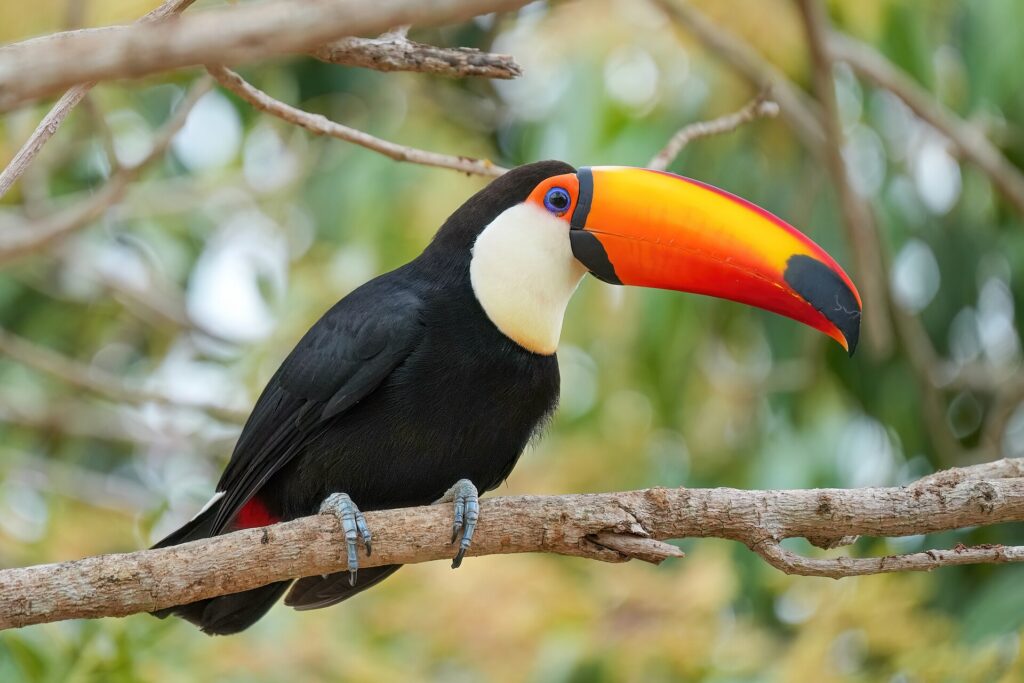
A toco toucan’s huge bill works as a radiator: the bird can change blood flow to it to lose or save body heat.
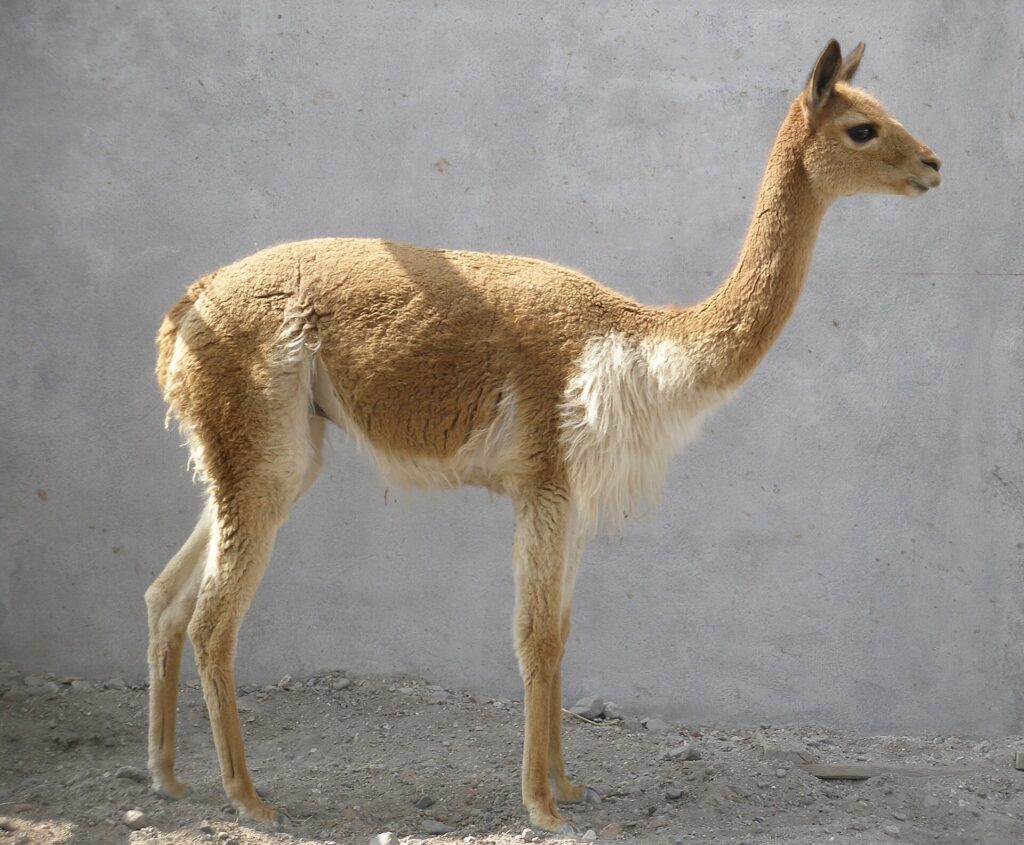
The vicuña has the finest wool of any animal, and cloth made from it is among the most expensive in the world.
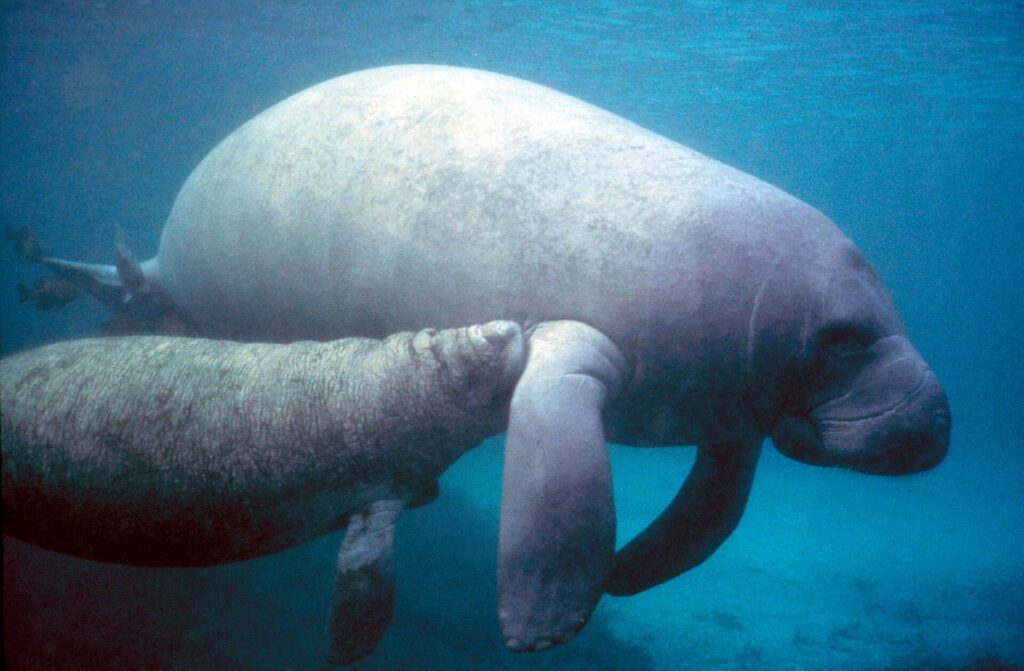
A manatee eats about a tenth of its body weight in plants every day, and its teeth are constantly replaced from the back of the jaw as they wear down.
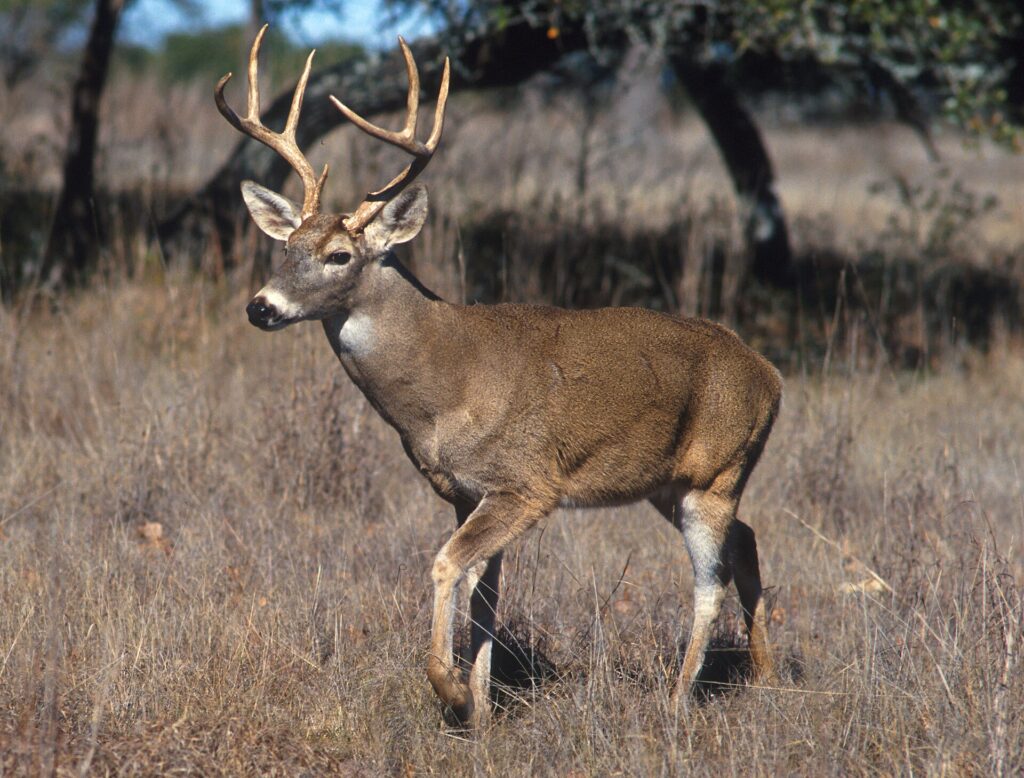
White-tailed deer were reduced to fewer than half a million in the United States around 1900; today there are around 30 million.