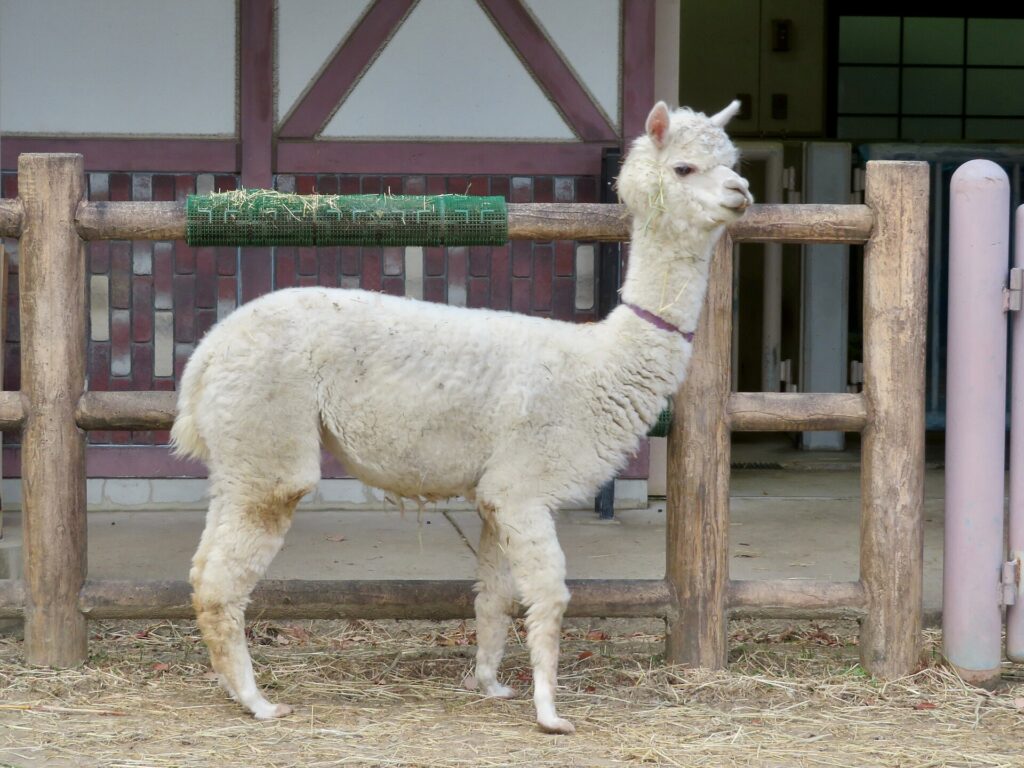
Alpaca
Alpaca fibre is warmer than sheep’s wool and contains no lanolin, so it is naturally hypoallergenic for many people.
Alpaca fibre is warmer than sheep’s wool and contains no lanolin, so it is naturally hypoallergenic for many people.
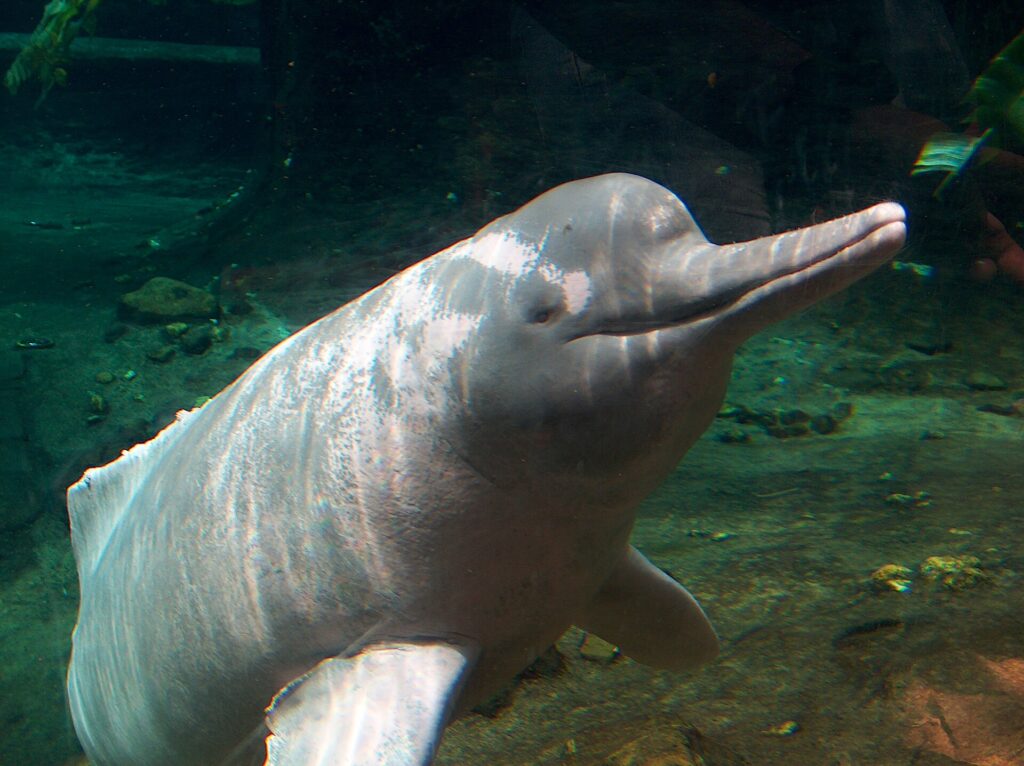
Amazon river dolphins turn pink as they age, and in the flood season they swim between the trunks of submerged rainforest trees.
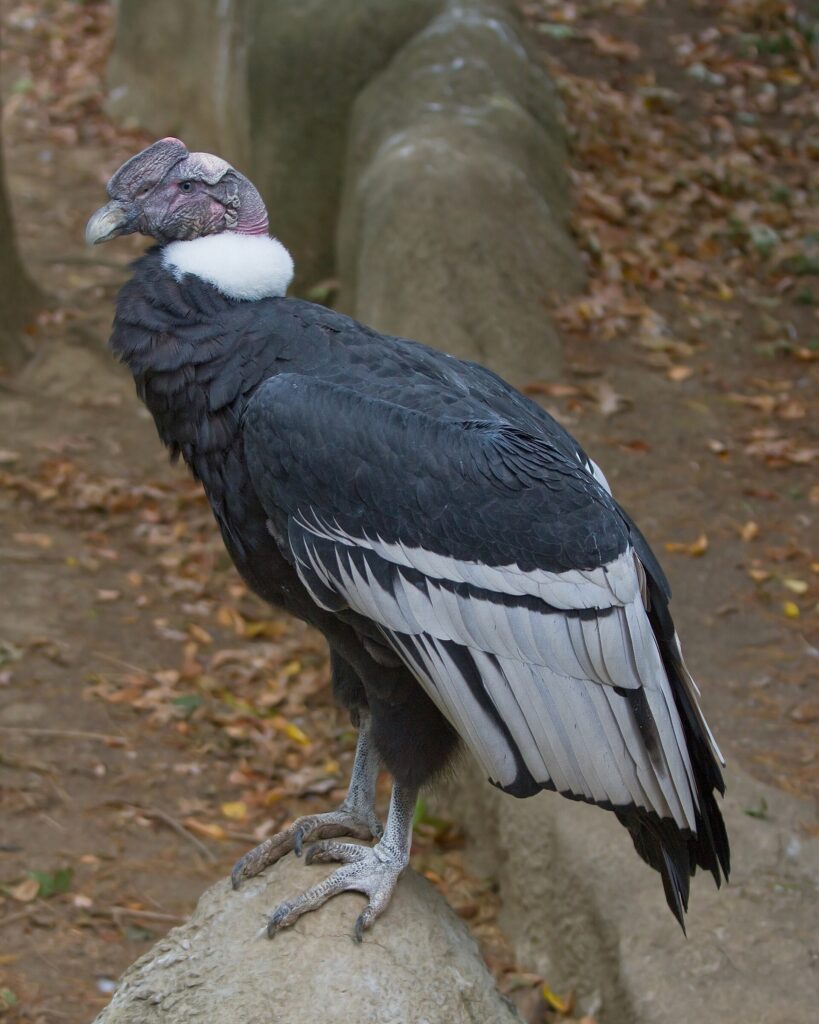
A study that fitted Andean condors with flight recorders found that one bird flew for more than five hours and covered about 170 km without flapping its wings.
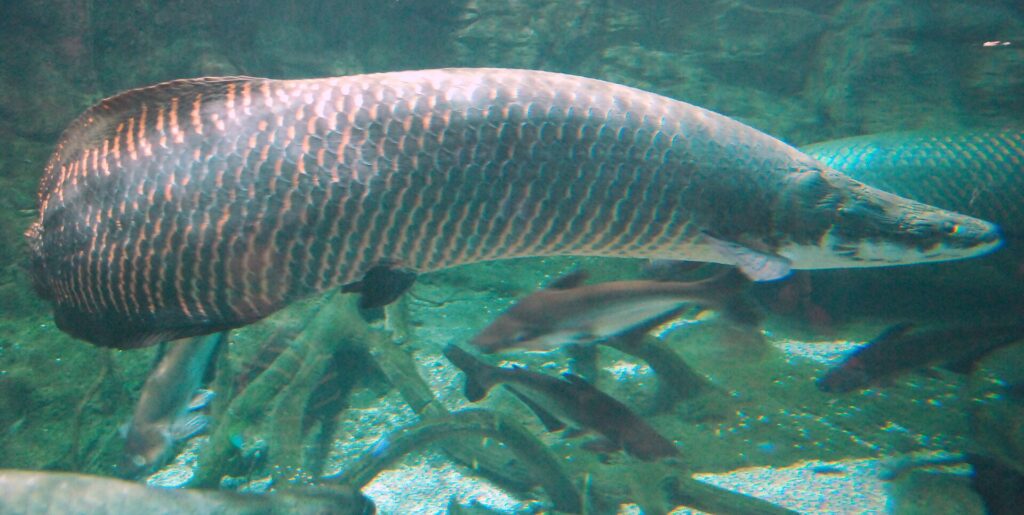
The arapaima must rise to the surface to gulp air every 5 to 20 minutes, because it gets most of its oxygen by breathing air.
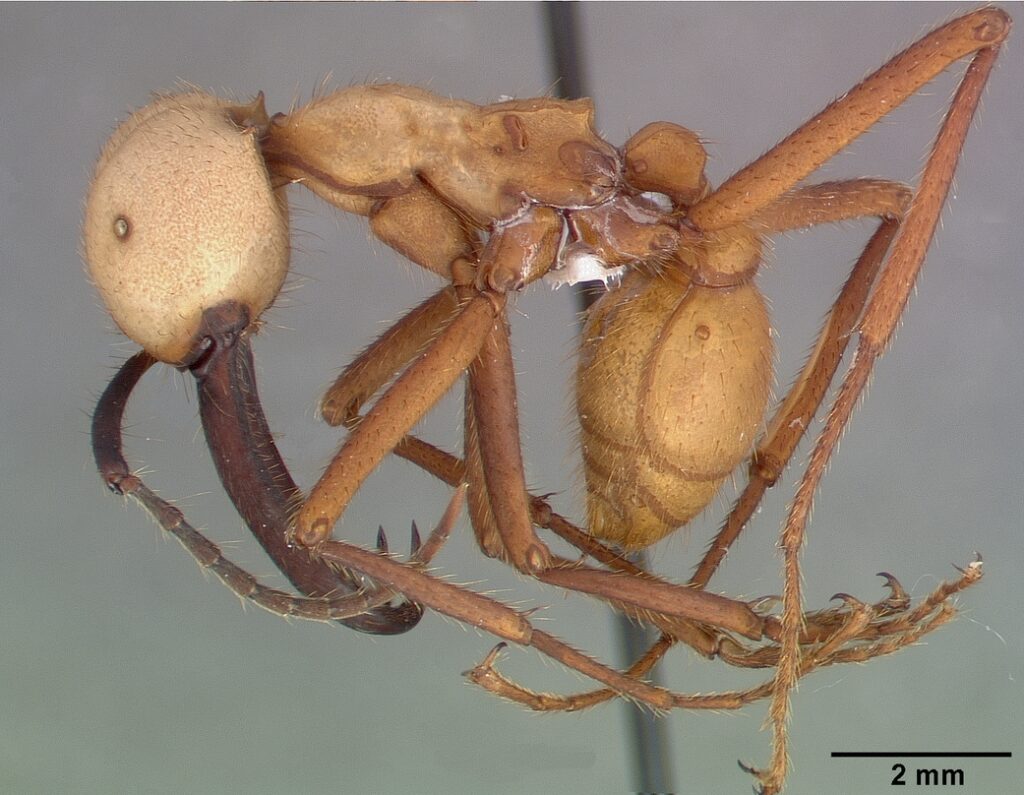
Army ants have no permanent nest: they link their bodies together to build a living nest, called a bivouac, that can hold hundreds of thousands of ants.
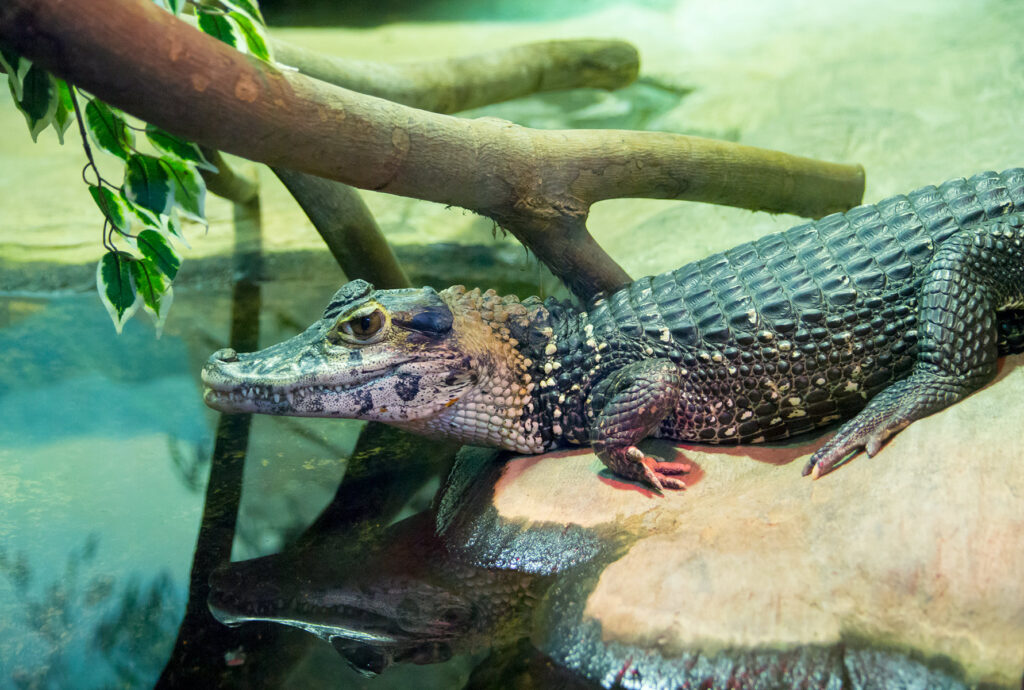
The black caiman is the largest predator in the Amazon and the biggest member of the alligator family.
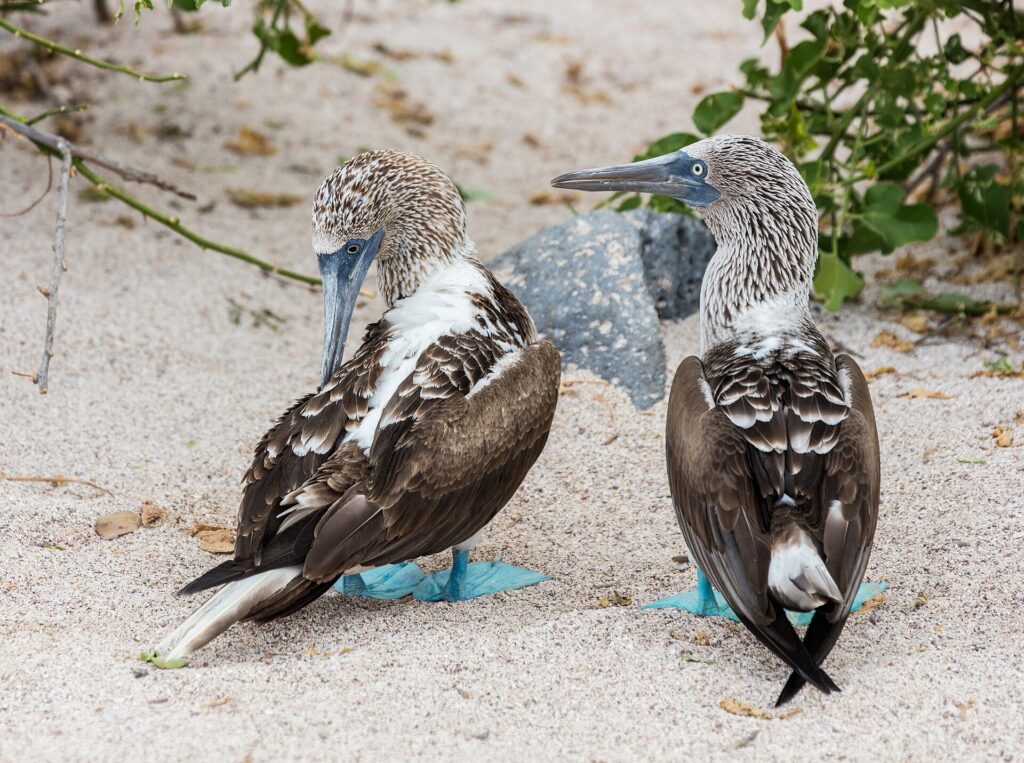
The bright blue of a booby’s feet comes from pigments in fresh fish, so brighter feet signal a healthier, better-fed partner.
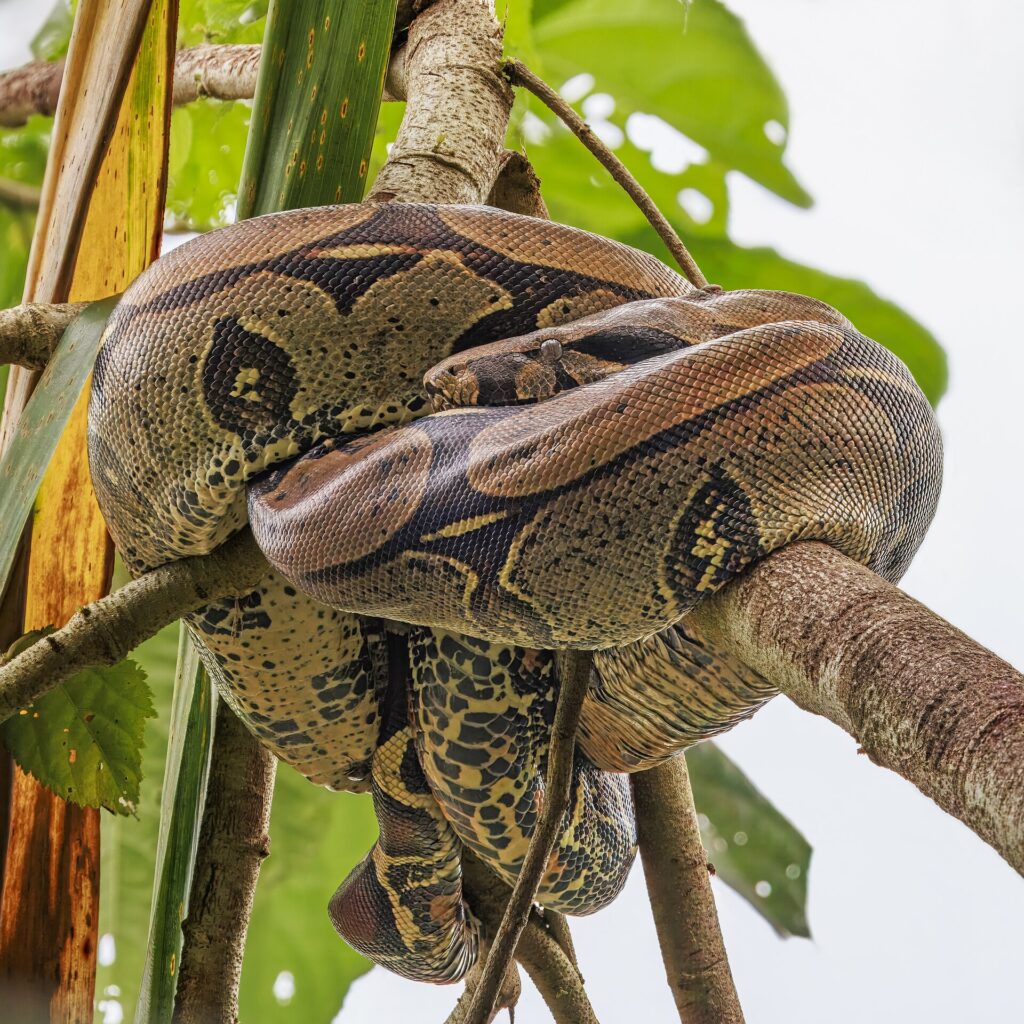
A boa constrictor kills its prey by stopping its blood flow as it squeezes, not by suffocation as people long believed.
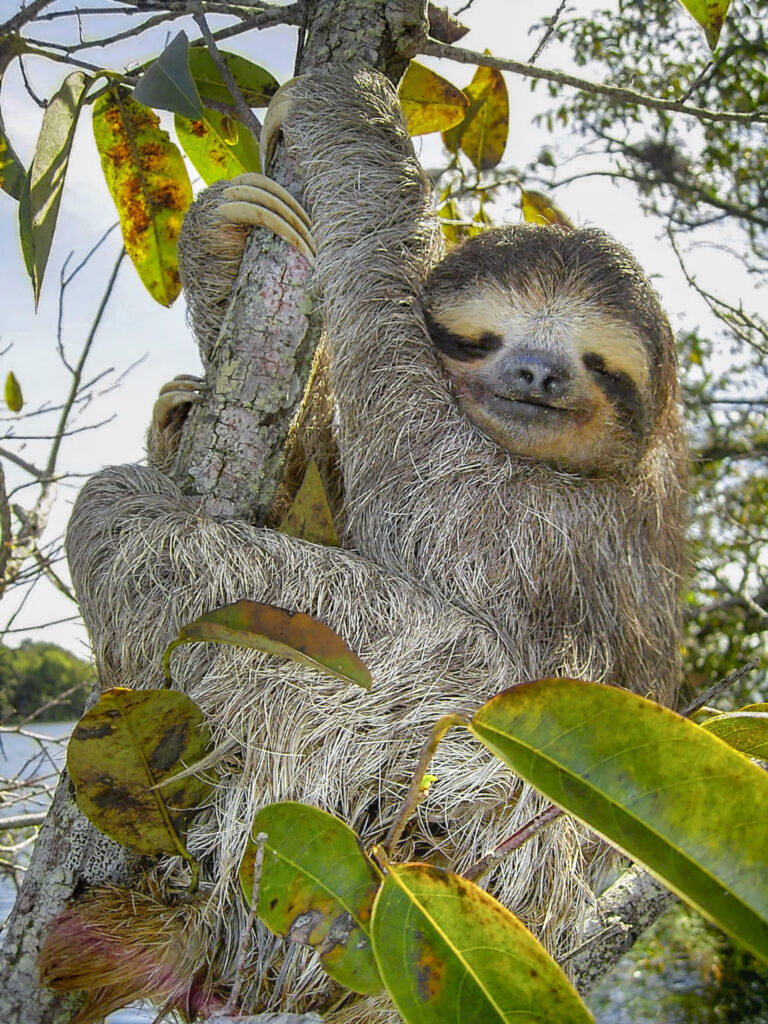
A sloth’s slow metabolism means a single leaf meal can take a month or more to digest completely.
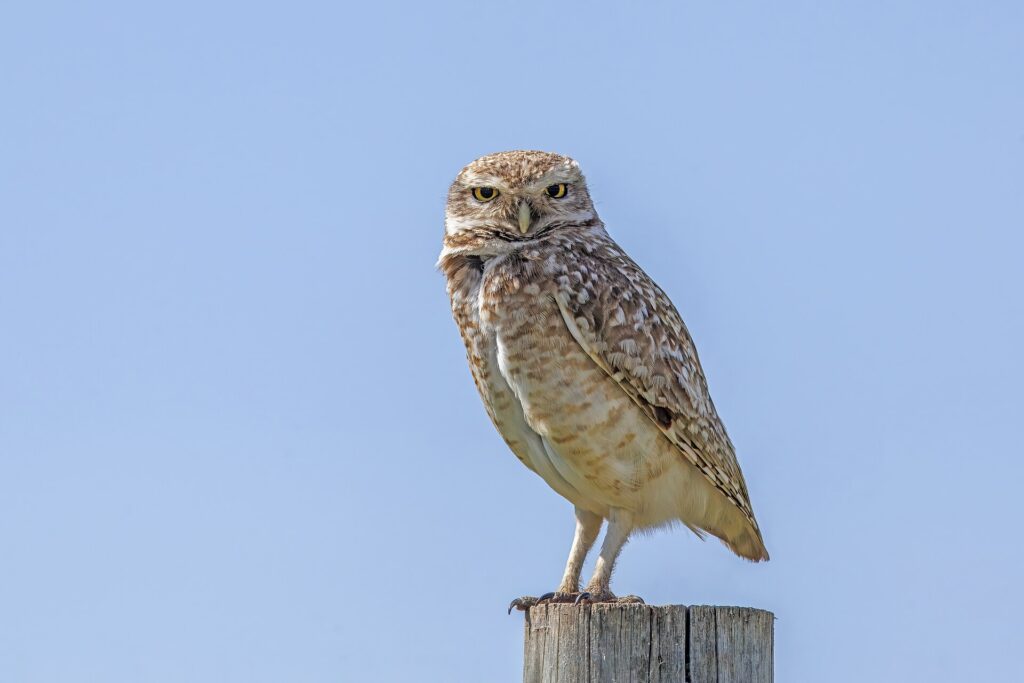
When threatened in their burrow, young burrowing owls make a hissing call that sounds remarkably like a rattlesnake.
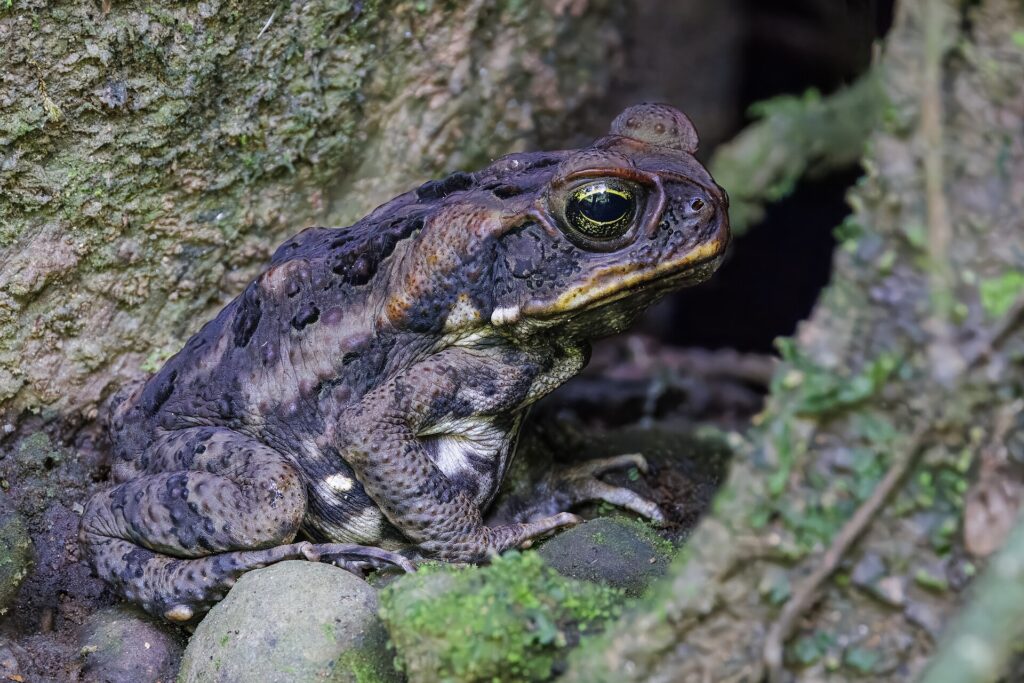
About 100 cane toads released in Queensland in 1935 to control beetles have multiplied into an estimated 200 million, spreading across northern Australia.
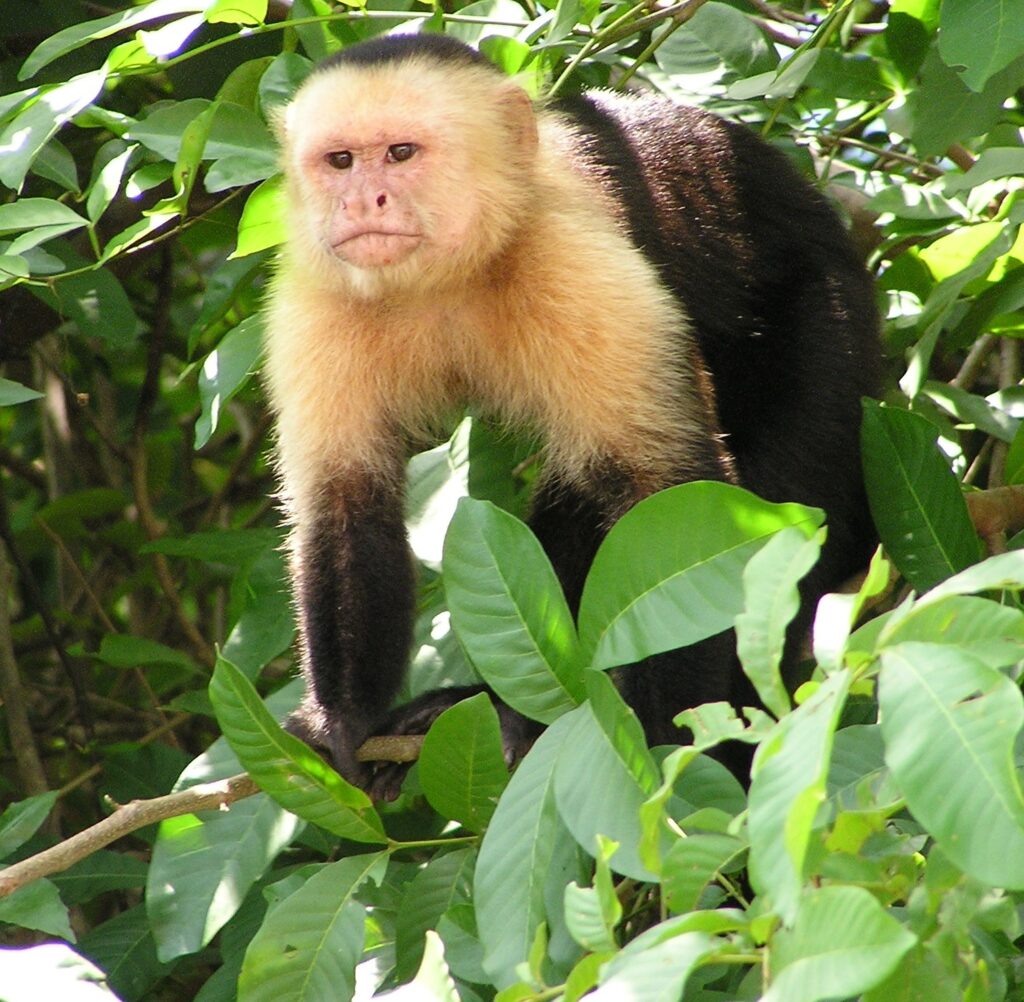
Bearded capuchins in Brazil crack nuts with stone hammers and anvils, and archaeologists have found evidence of this tool use going back about 3,000 years.
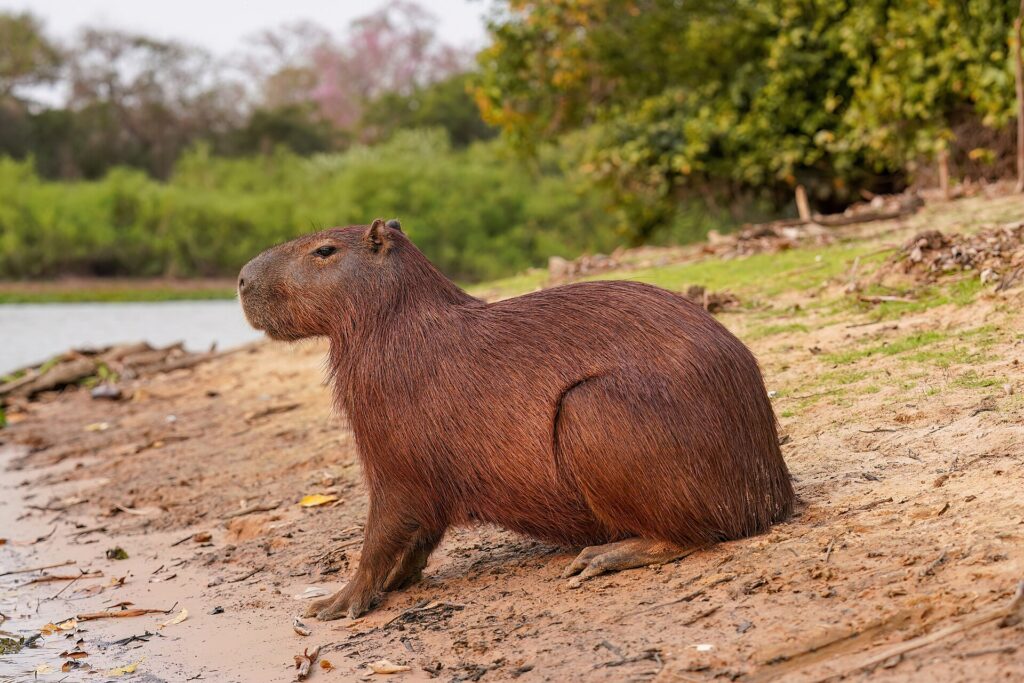
Capybaras can stay fully underwater for up to about five minutes, and they often sleep in the water with only their noses exposed.
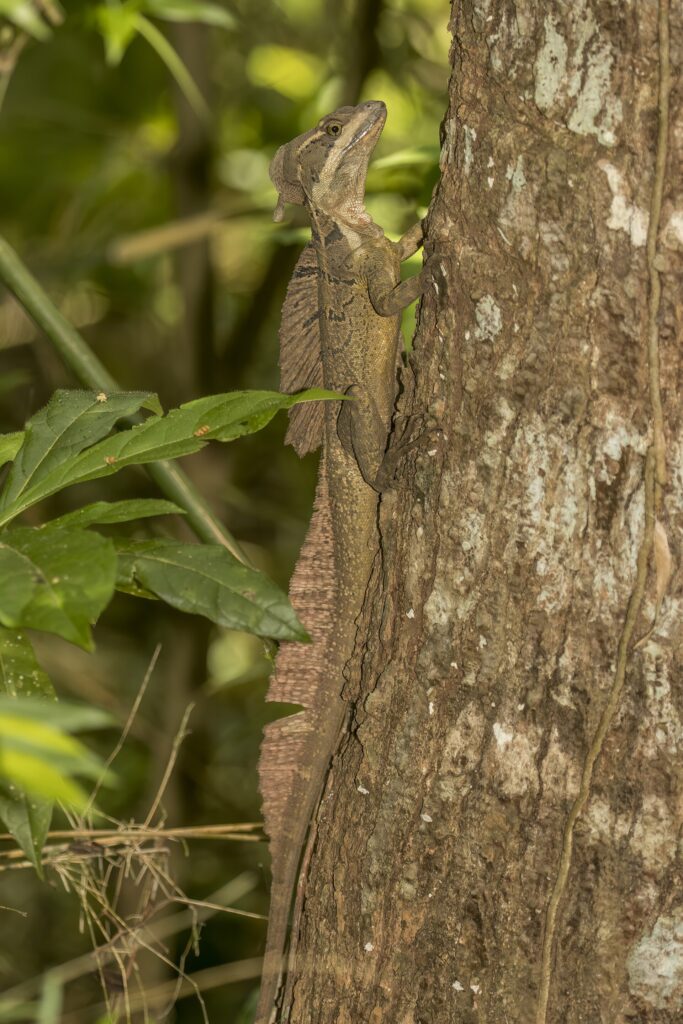
The basilisk can run across the surface of water on its hind legs, earning it the nickname ‘Jesus Christ lizard’.
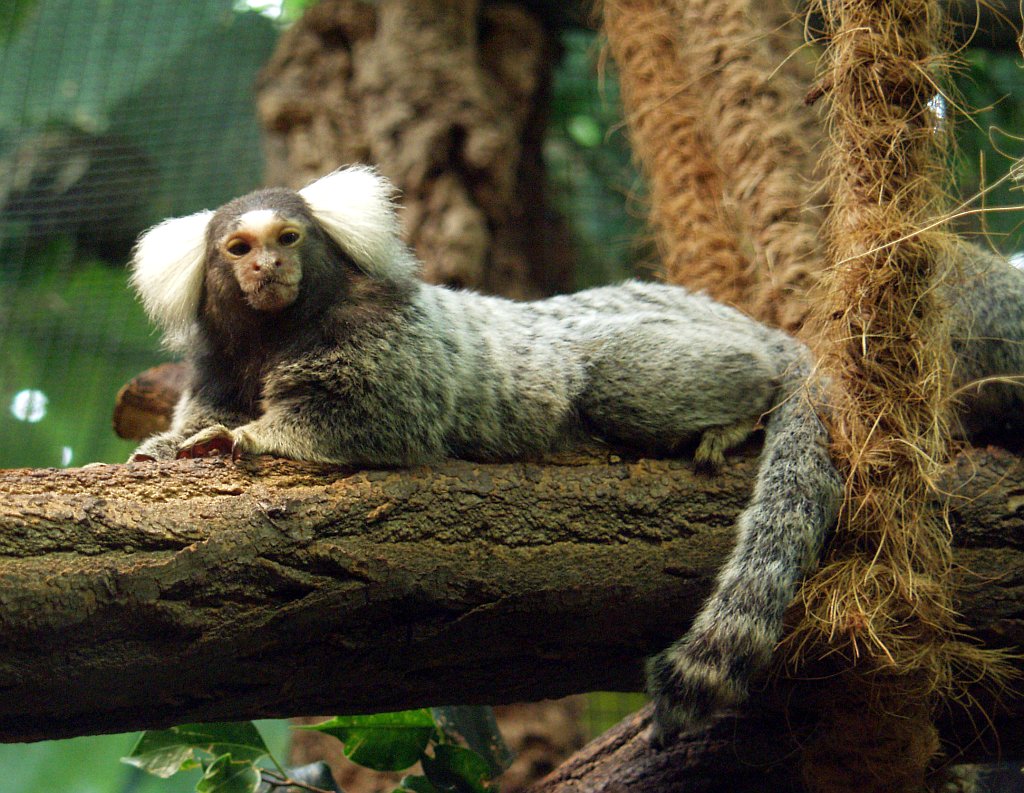
Common marmoset twins share cells with each other in the womb, so each twin can carry some of its sibling’s cells throughout its body.
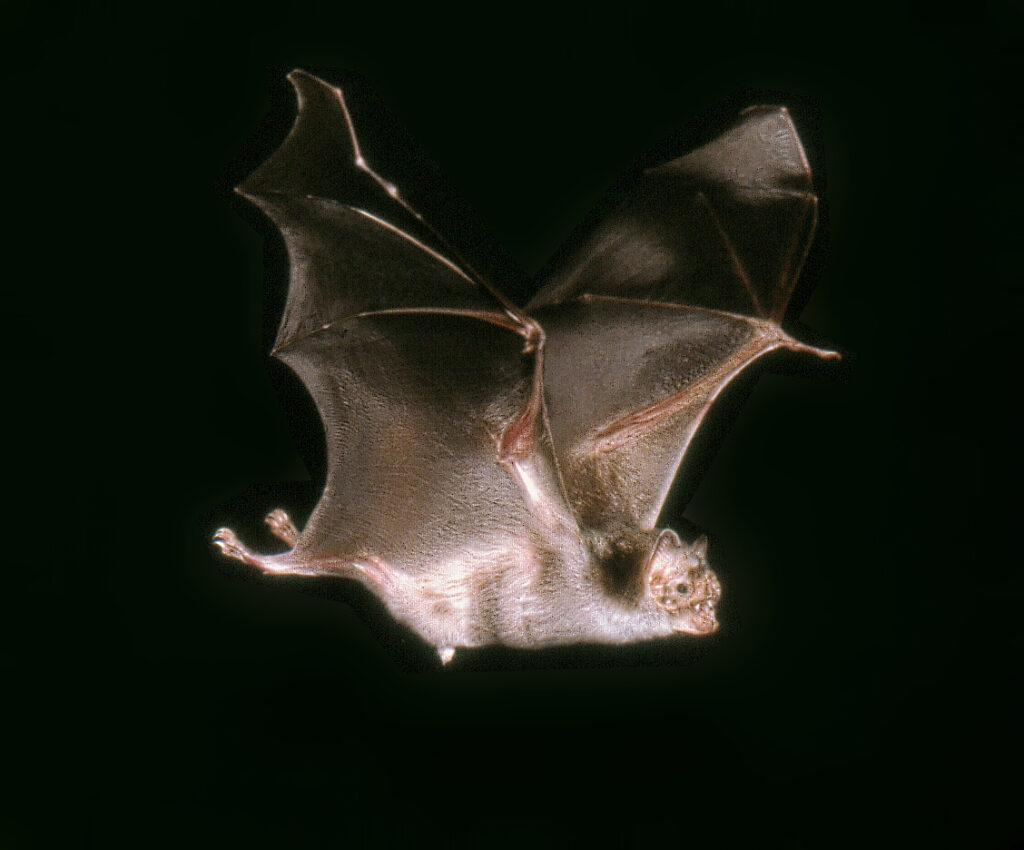
Vampire bats share blood with roost-mates that failed to feed, regurgitating meals for them, and they are more likely to help bats that helped them before.
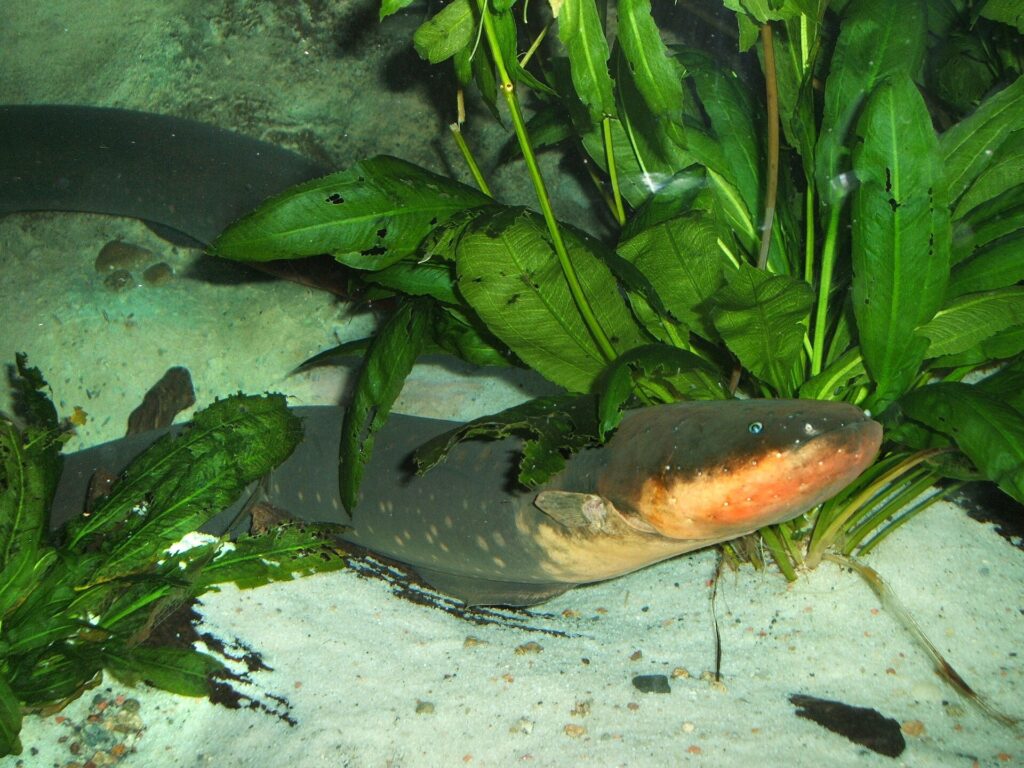
One species of electric eel, described in 2019, can produce shocks of up to about 860 volts, the strongest electric discharge known from any animal.
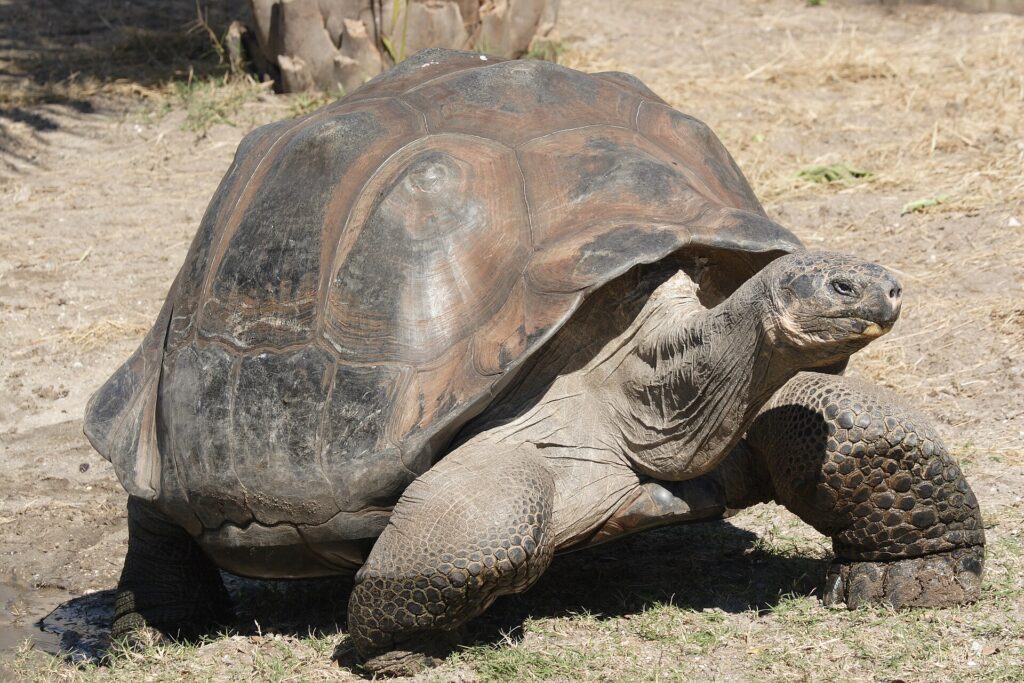
Giant tortoises can survive for up to a year without eating or drinking, which is why passing sailors once took them on board as living food stores.
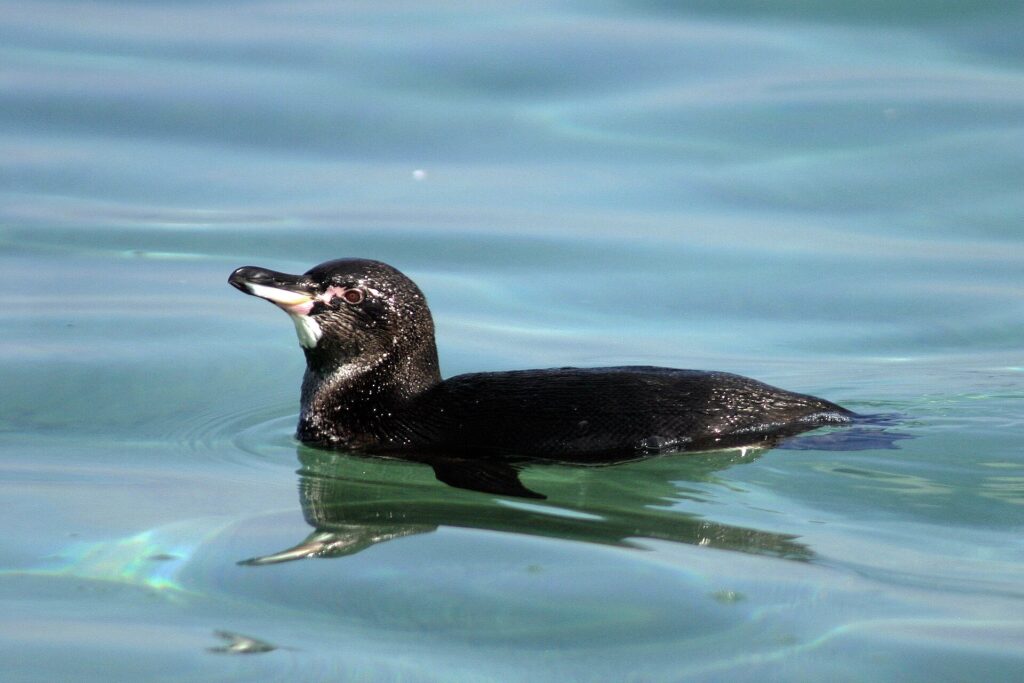
The Galápagos penguin is the only penguin that lives on the equator, and a few even cross into the Northern Hemisphere.
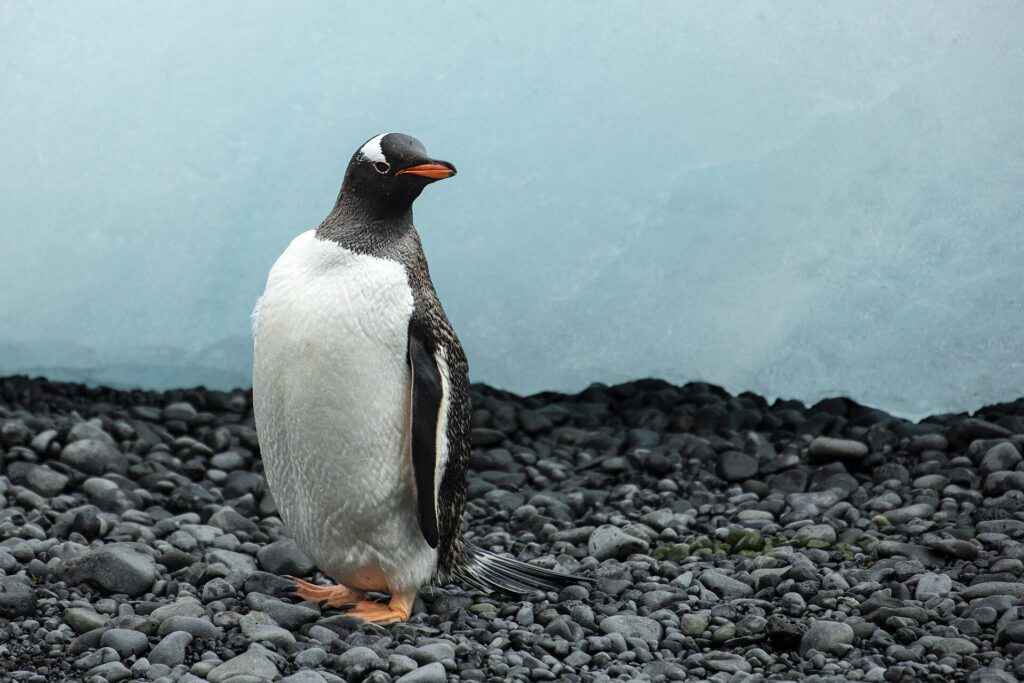
The gentoo is the fastest-swimming penguin, reaching speeds of about 36 km/h underwater.
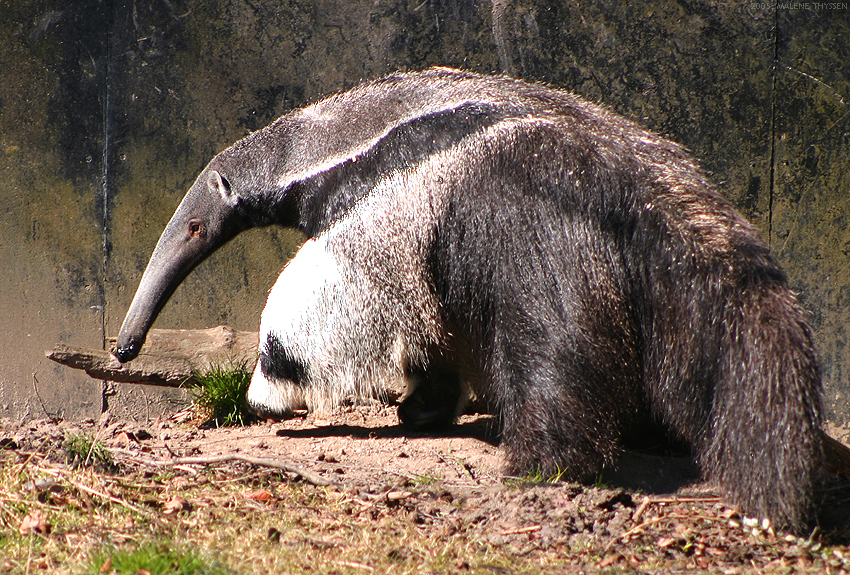
A giant anteater’s sticky tongue can be about 60 cm long and flick in and out up to about 150 times a minute.
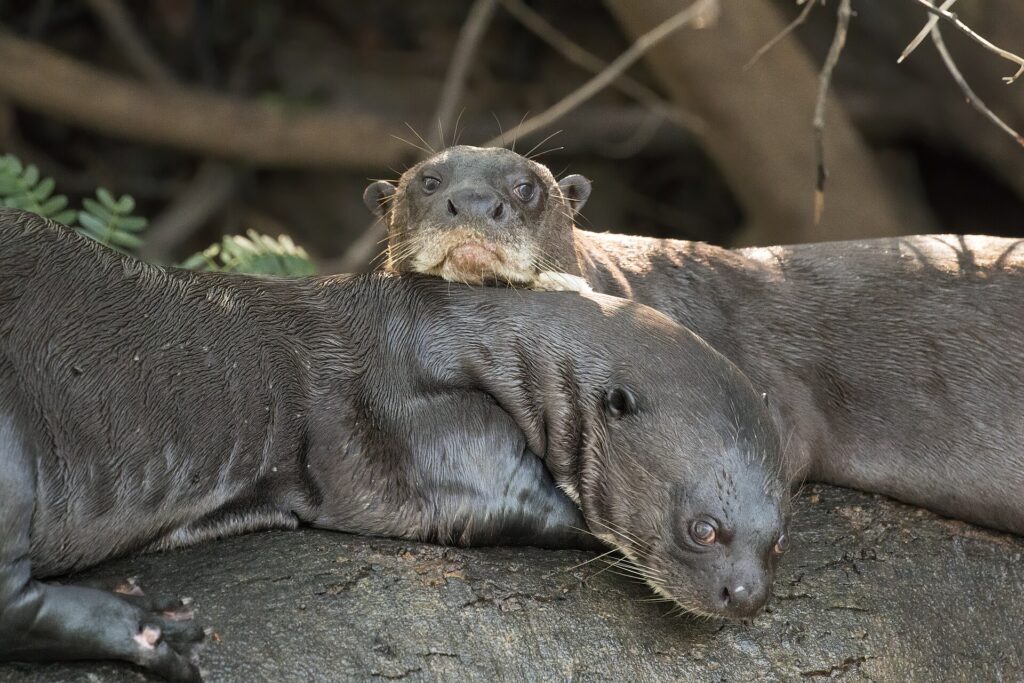
Each giant otter has a unique cream-coloured throat pattern, which researchers use to identify individuals.
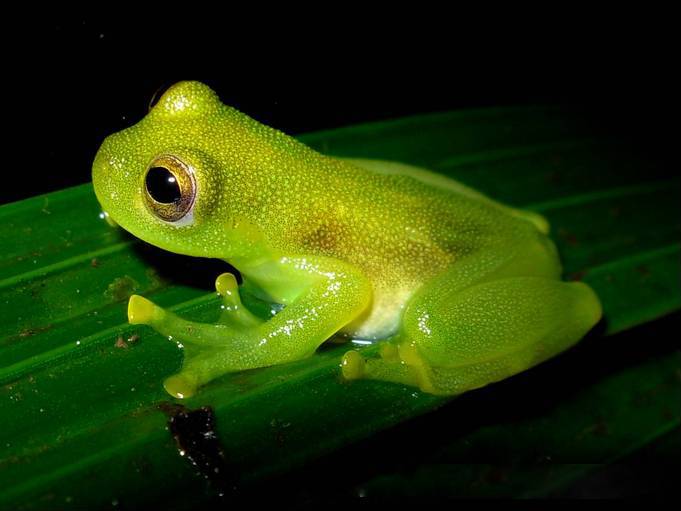
While sleeping, glass frogs hide most of their red blood cells in their liver, which makes their bodies up to about twice as transparent.
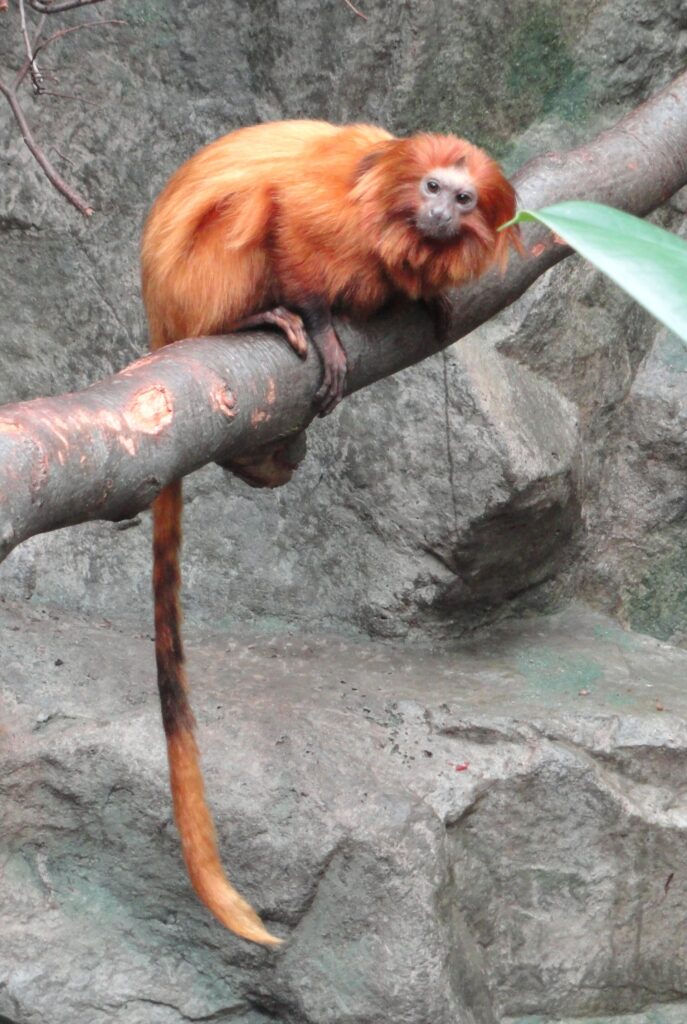
Golden lion tamarins fell to about 200 in the wild in the 1970s; thanks to reintroduction and forest restoration, there are now several thousand.