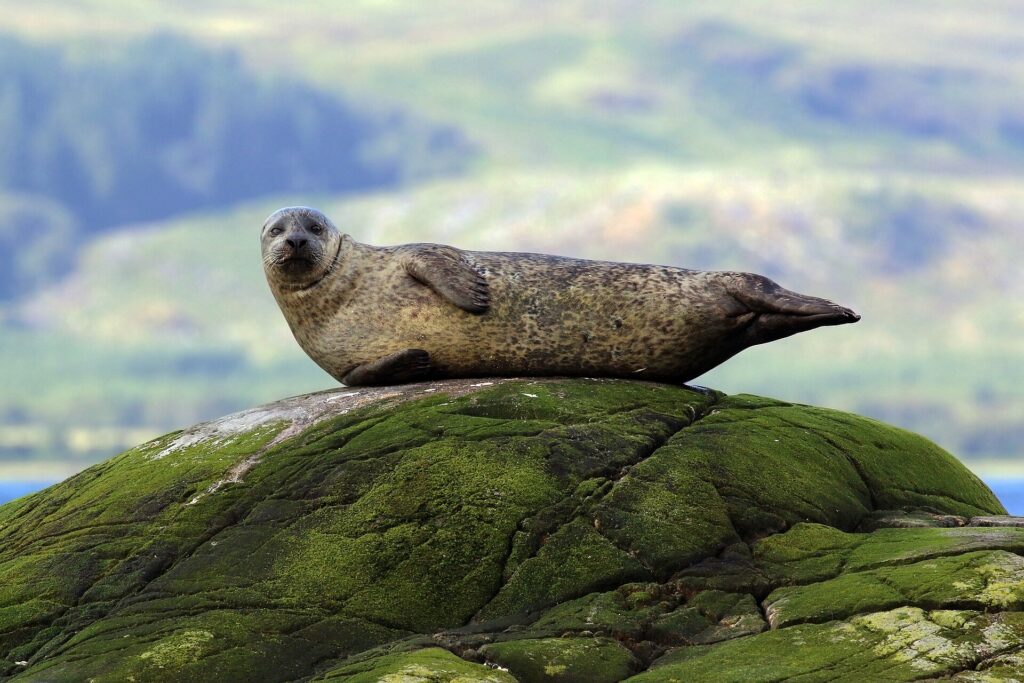
Harbor Seal
Harbor seals can follow the invisible water trail left by a fish using only their whiskers, even when the trail is over half a minute old.
Harbor seals can follow the invisible water trail left by a fish using only their whiskers, even when the trail is over half a minute old.
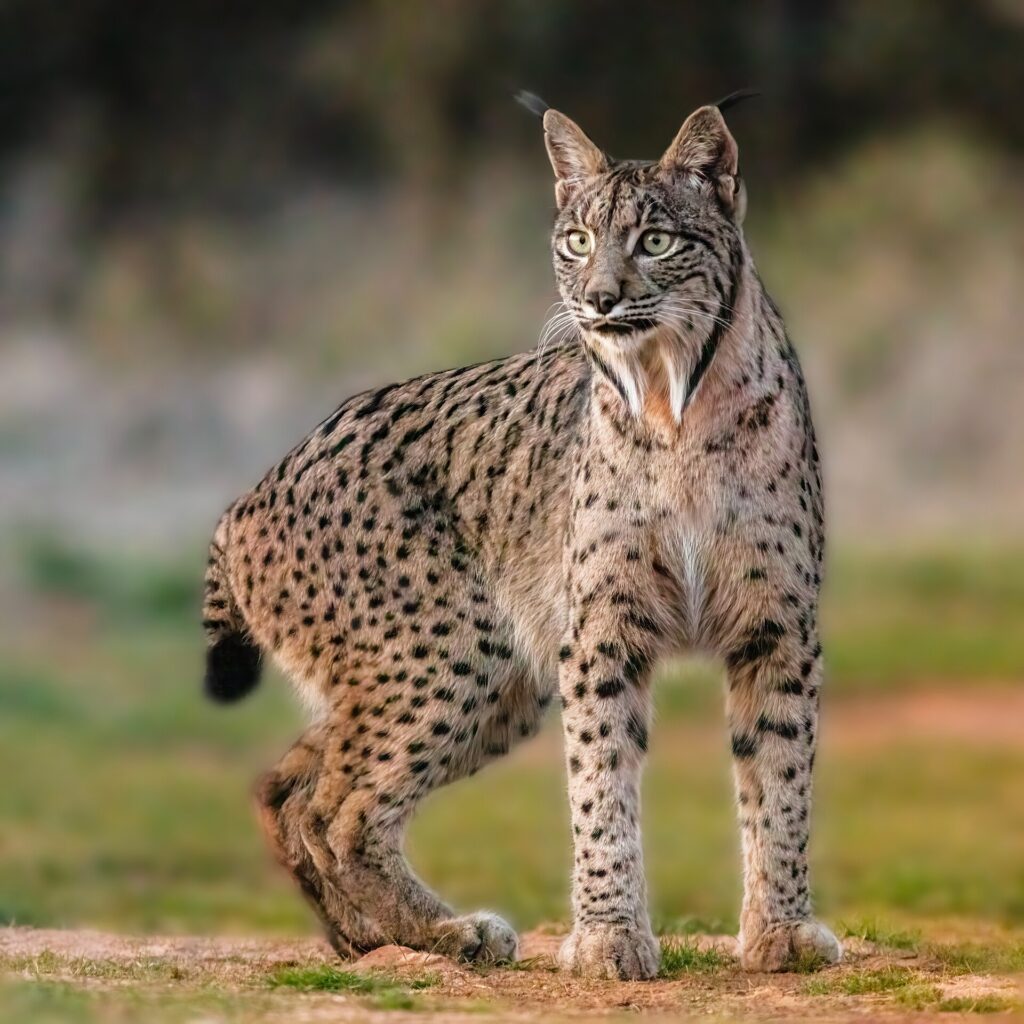
In 2002 fewer than 100 Iberian lynx survived; by 2023 there were more than 2,000, and the species was downlisted from Endangered to Vulnerable in 2024.
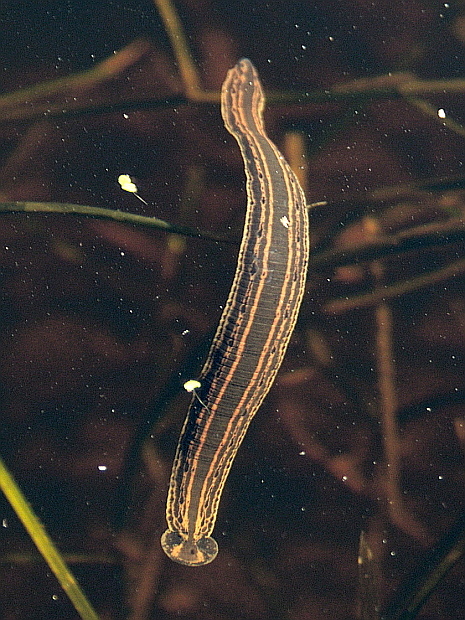
Medicinal leeches are still used in modern hospitals to help surgeons save reattached fingers, ears and skin grafts by draining excess blood.
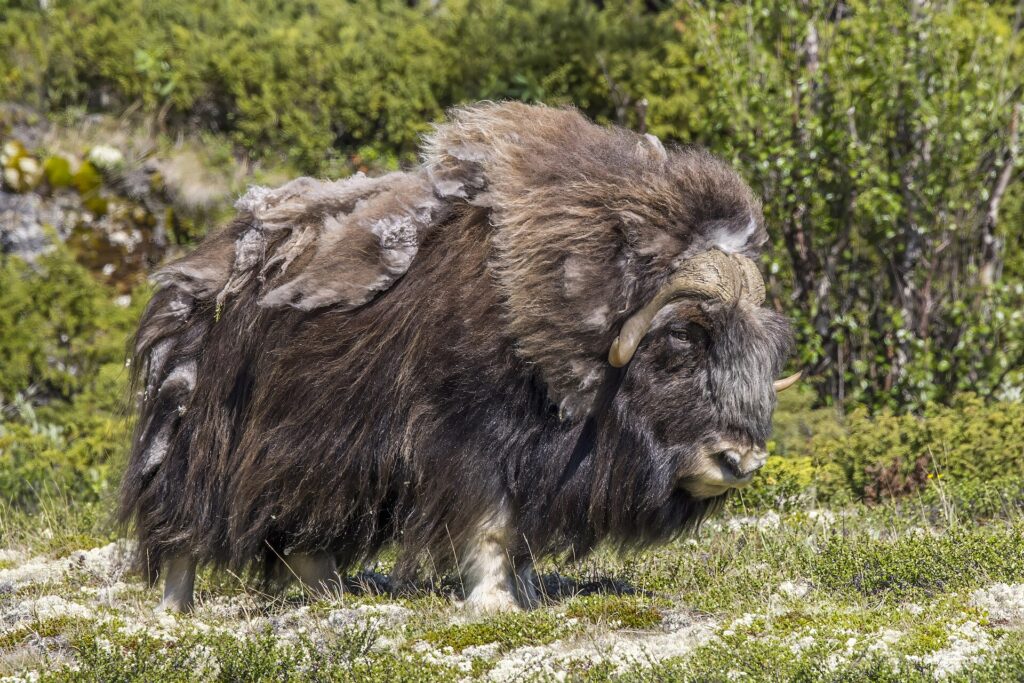
Musk oxen defend their young by forming a circle, with adults facing outwards and calves sheltered in the middle.
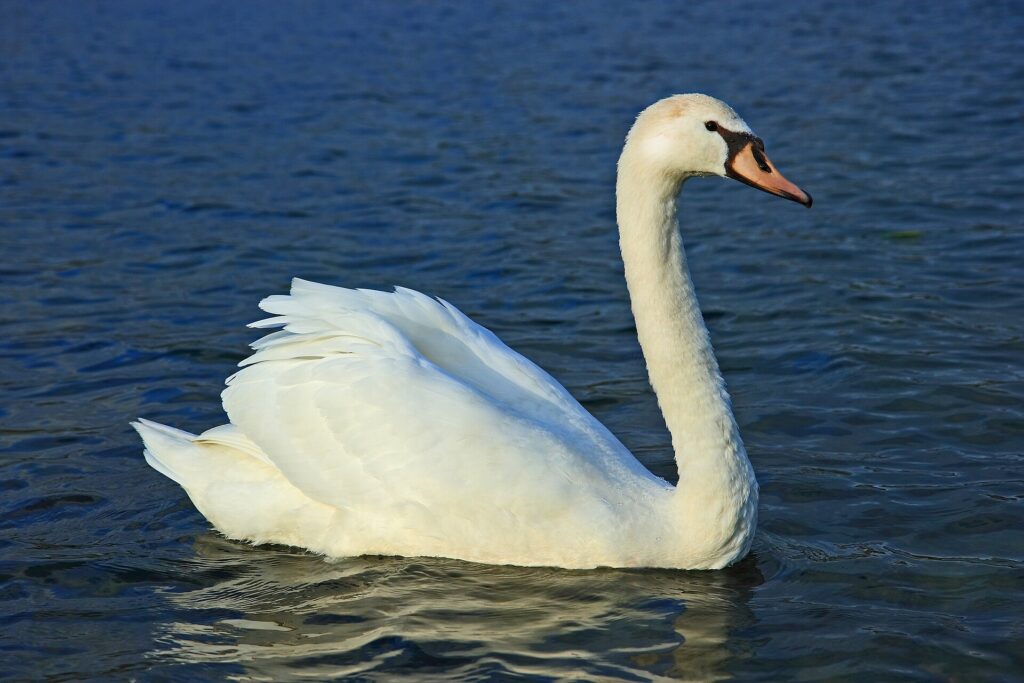
In Britain, the Crown traditionally claims ownership of unmarked mute swans on open water, and swans on the Thames are counted each July in the centuries-old ‘Swan Upping’.
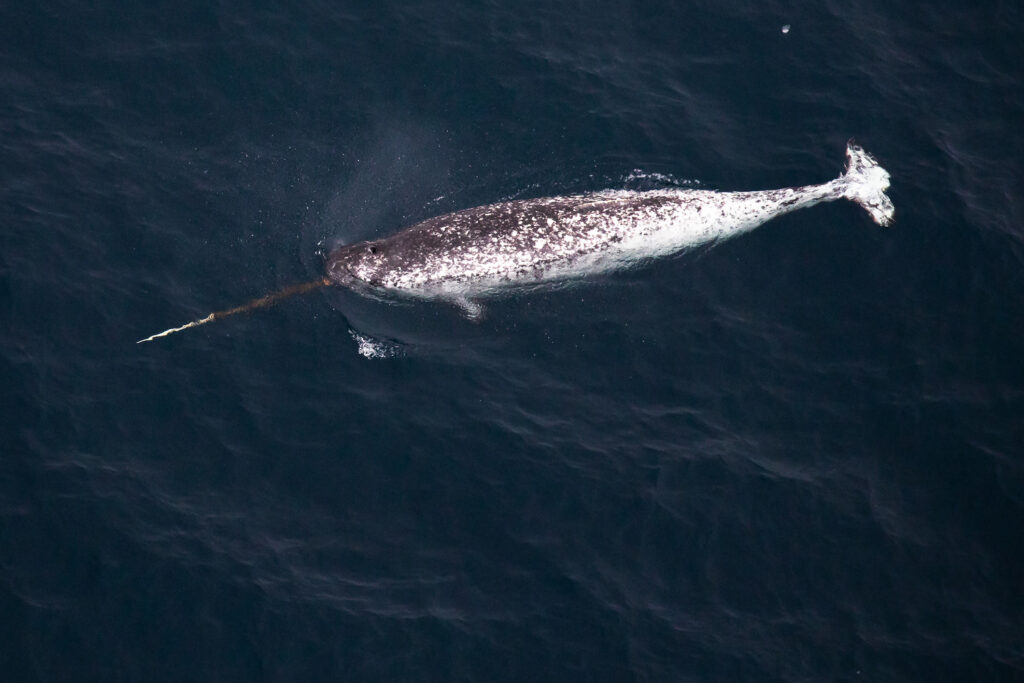
The narwhal’s spiralling tusk is actually an enormous tooth that grows through its upper lip and may contain millions of nerve endings.
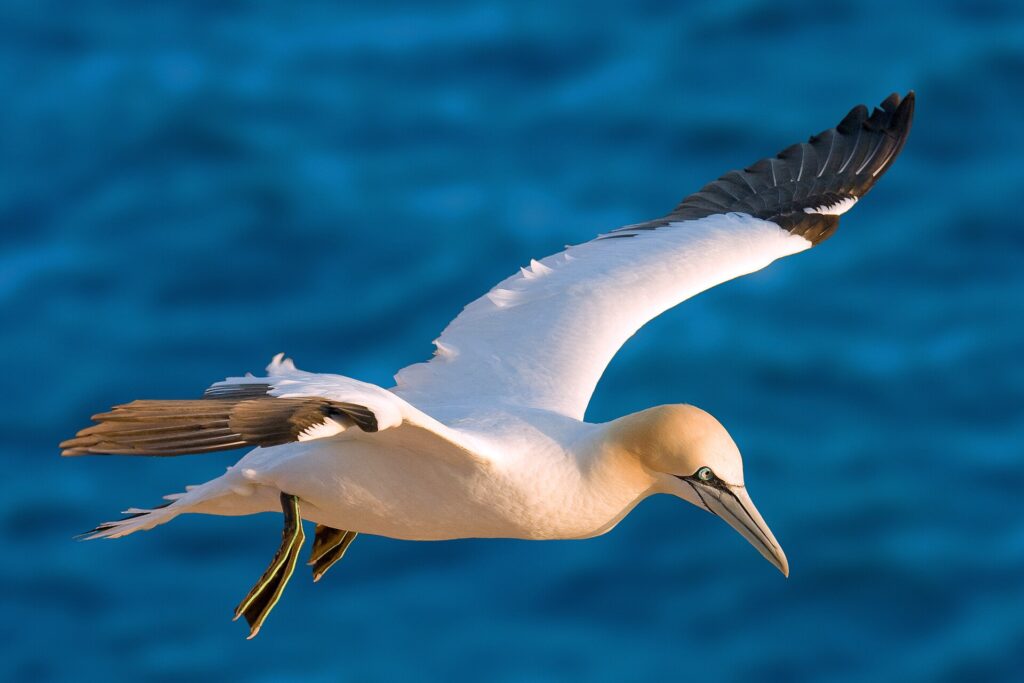
Gannets plunge into the sea from heights of 30–40 metres, hitting the water at about 85 km/h, protected by air sacs that cushion the impact.
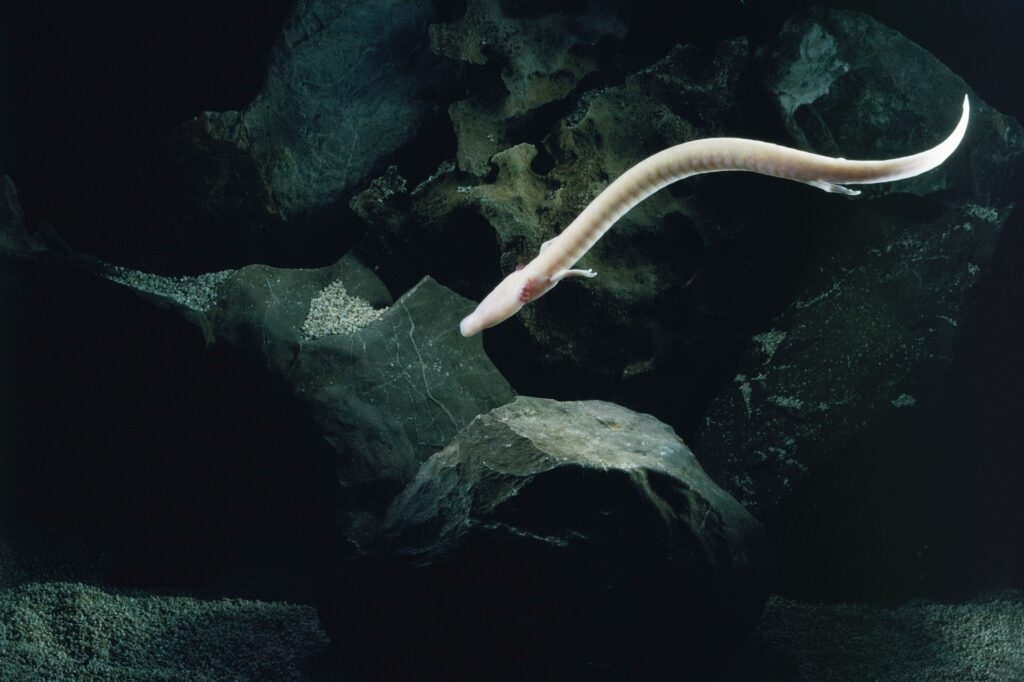
The olm can live for about a century, and scientists recorded one that did not move from the same spot for over seven years.
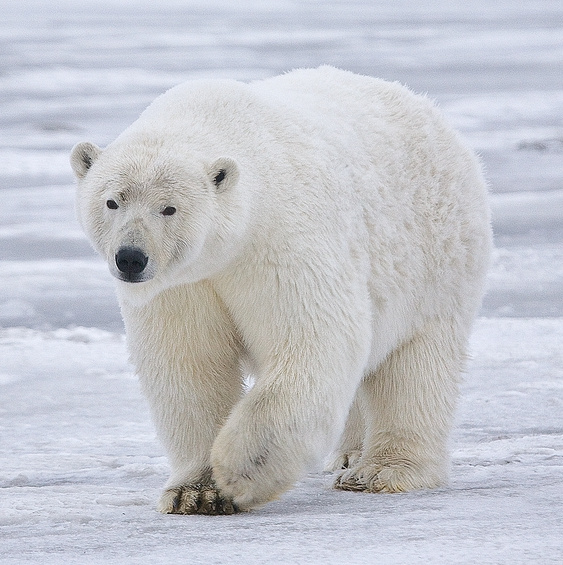
A polar bear’s fur is not white; each hair is transparent and hollow, and its skin underneath is black.