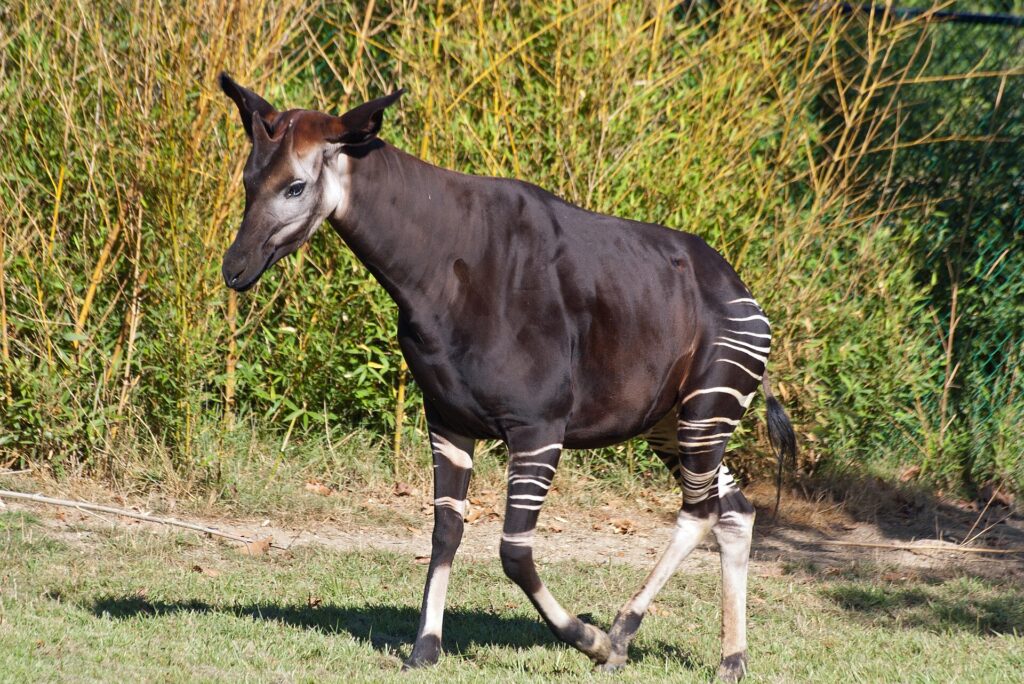
Okapi
The okapi looks part zebra, part antelope, but its closest living relative is the giraffe.
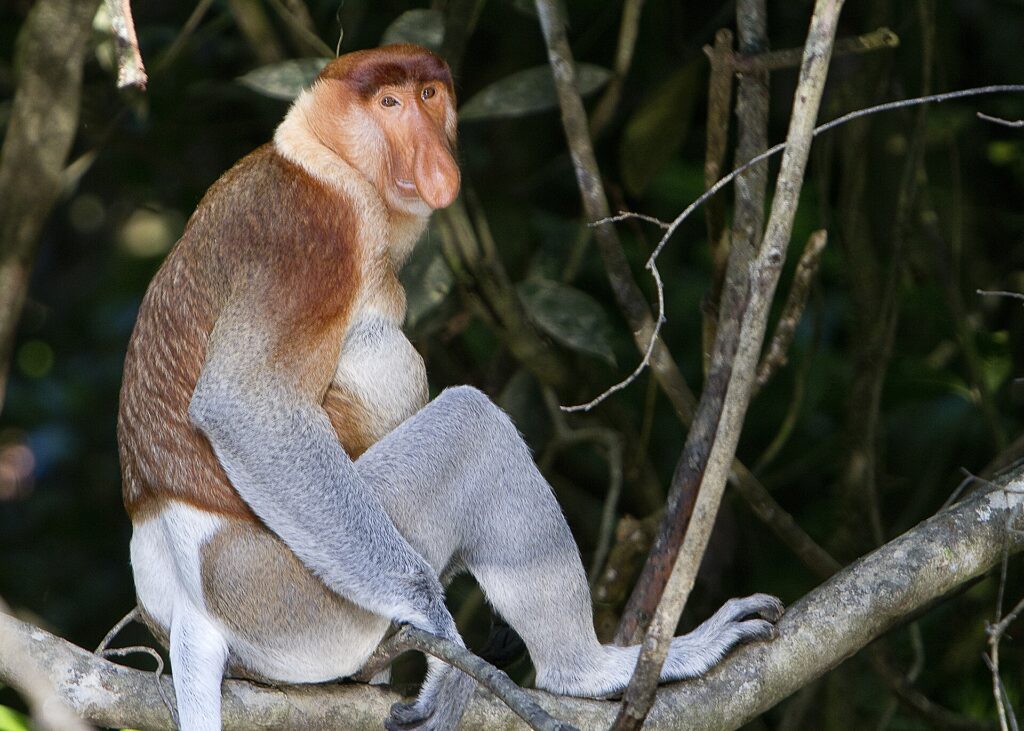
The adult male proboscis monkey’s nose can be more than 10 cm long, and bigger noses seem to help males attract females and make louder calls.
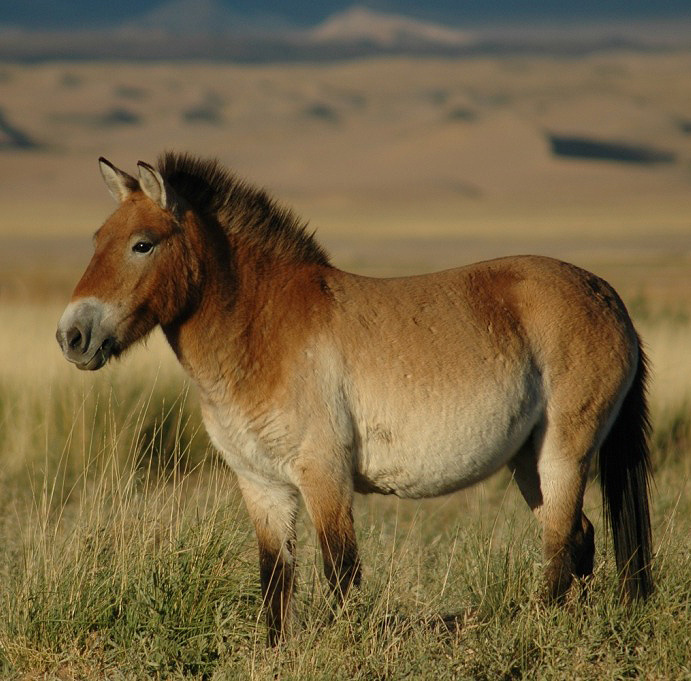
Przewalski’s horse was declared extinct in the wild after 1969; every living one descends from just 12–15 horses caught around 1900.
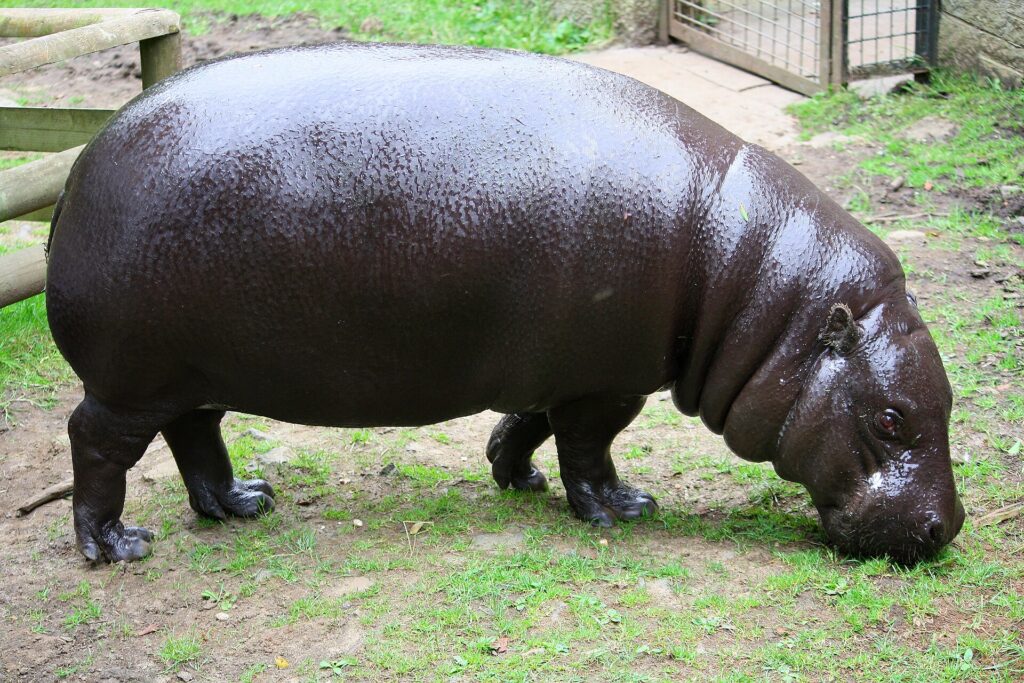
The pygmy hippo weighs about a tenth as much as a common hippo and lives alone in dense rainforest rather than in groups in rivers.
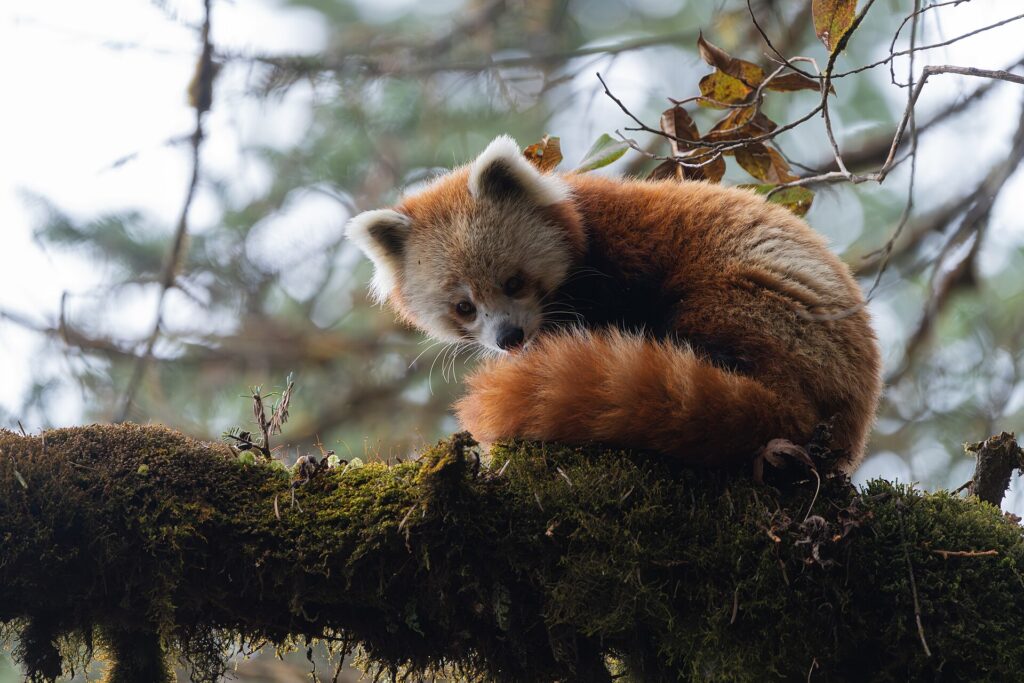
The red panda was named a panda about 50 years before the giant panda, and it is not closely related to it; it is the only living member of its own family.
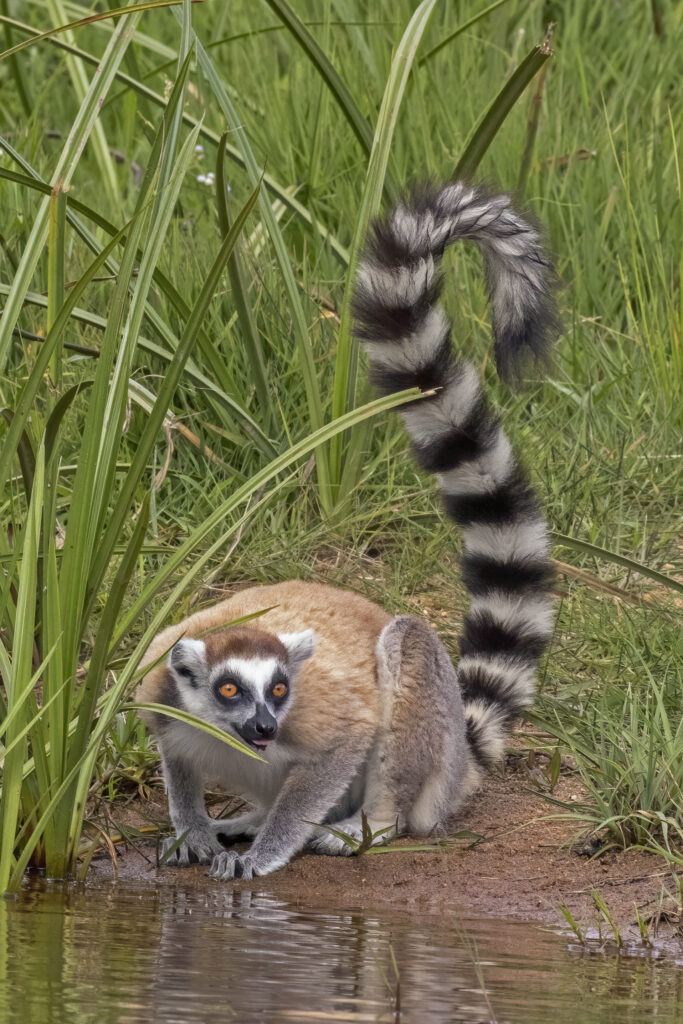
During the breeding season, male ring-tailed lemurs hold ‘stink fights’, rubbing scent onto their tails and waving them at rivals.
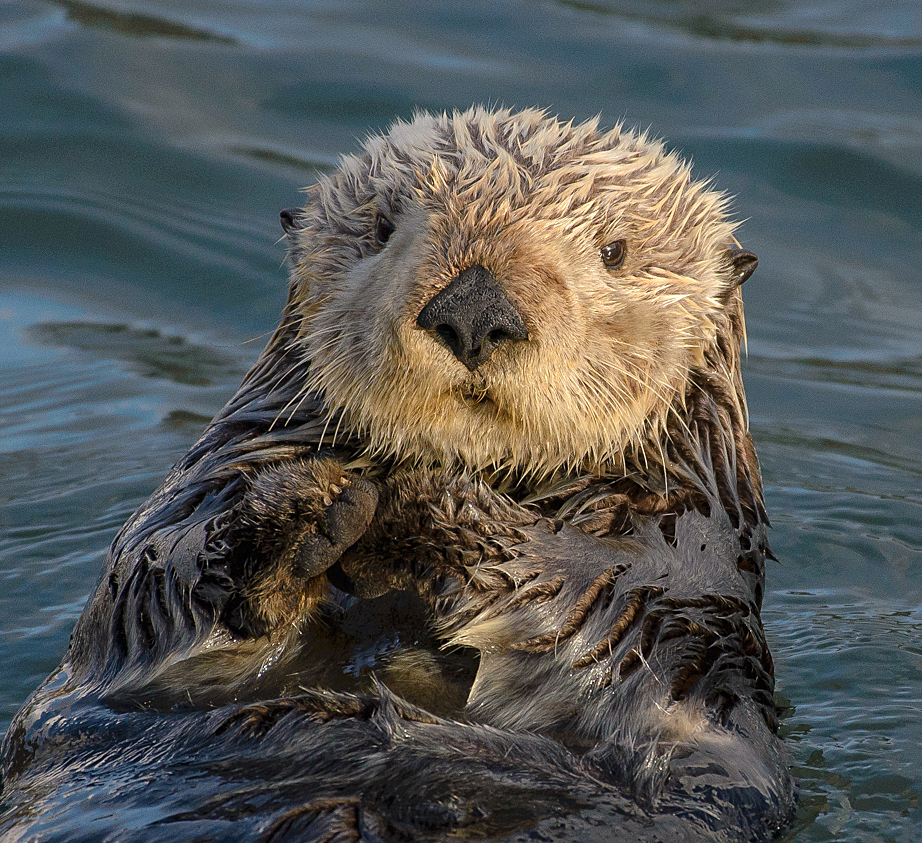
Sea otters have the densest fur of any animal, up to about a million hairs per square inch, which keeps them warm without blubber.
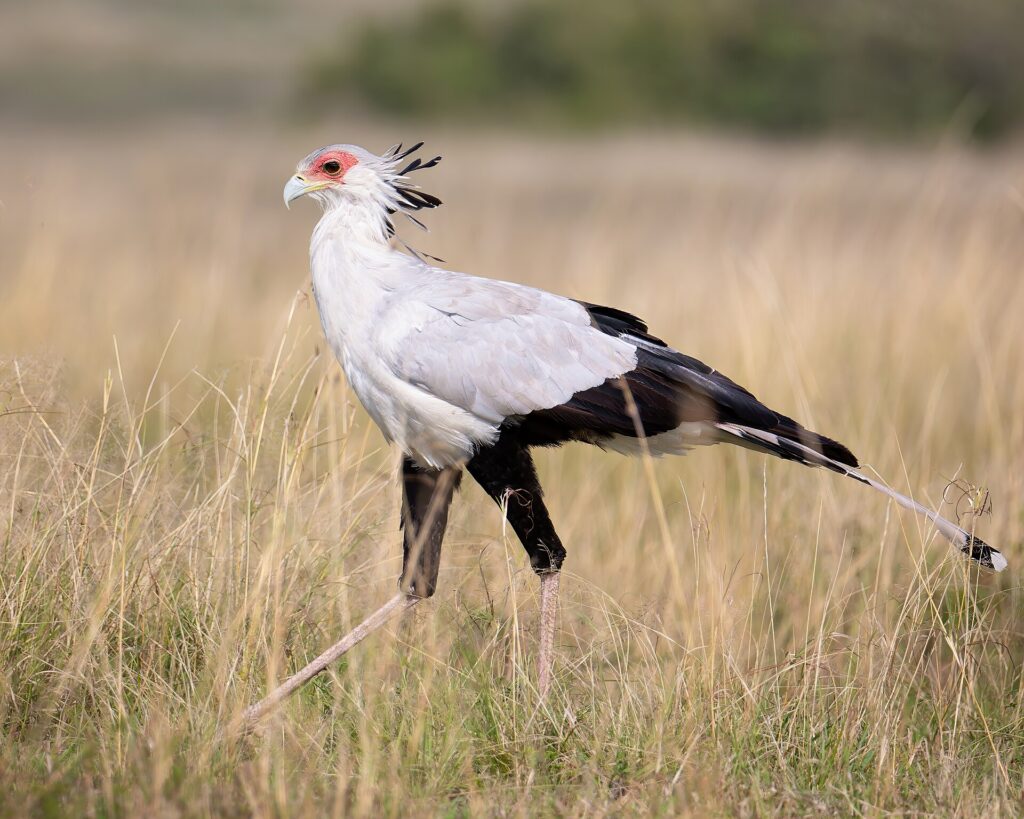
The secretary bird kills snakes by stamping on them with a kick that delivers about five times its own body weight in a fraction of a second.
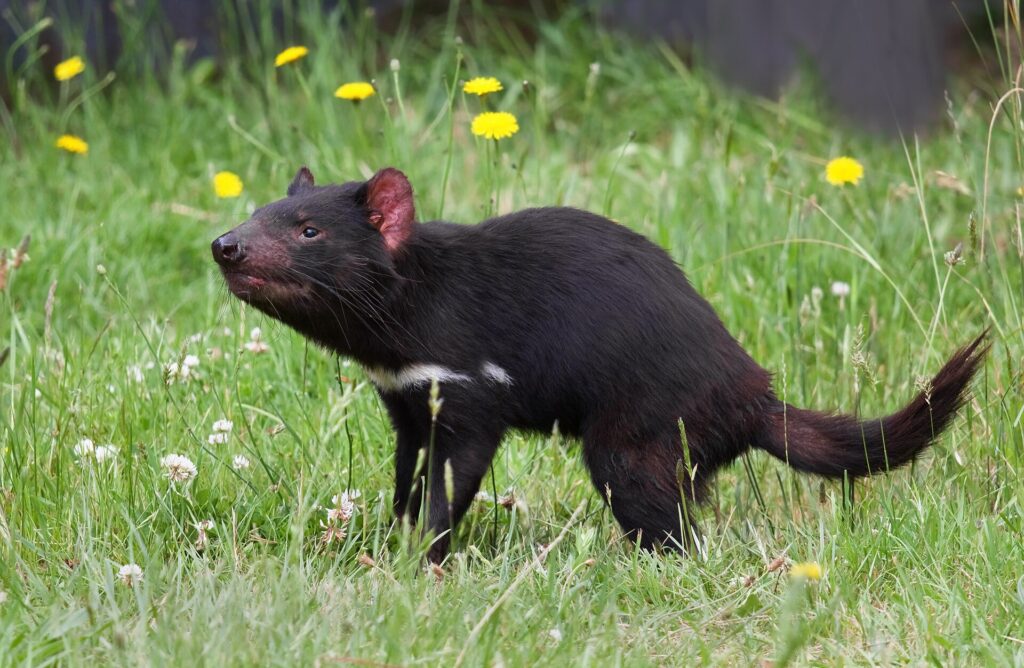
For its size, the Tasmanian devil has one of the most powerful bites of any living mammal, able to crunch through bone.