The giant manta ray is an ocean wanderer that glides through the open sea. Its slow reproduction makes it highly vulnerable to fishing.
Interesting facts
- It is the largest ray in the world.
- Mantas visit ‘cleaning stations’ where small fish remove parasites.
- Each manta has a unique pattern of spots on its belly.
- Mantas can leap completely out of the water.
- They give birth to a single pup every two to five years.
- Their gill plates are traded for supposed medicinal uses.
Behaviour
Mantas feed by swimming with their mouths open, sometimes performing somersaults through plankton patches.
Breeding and young
Females give birth to one live pup after a long gestation of about a year.
Threats and conservation
Targeted fishing for gill plates, bycatch, boat strikes and entanglement.
Where to see it
- Socorro Islands, Mexico
- Raja Ampat and Komodo, Indonesia (reef mantas and giant mantas)
- Maldives
- Isla de la Plata, Ecuador
Status source: IUCN Red List. Profile last reviewed September 2026.
Where to see the giant manta ray
 Swimming with Whale Sharks and Mantas in TofoTofo's warm Indian Ocean waters offer whale sharks, manta rays and migrating humpbacks. How to plan an ocean…
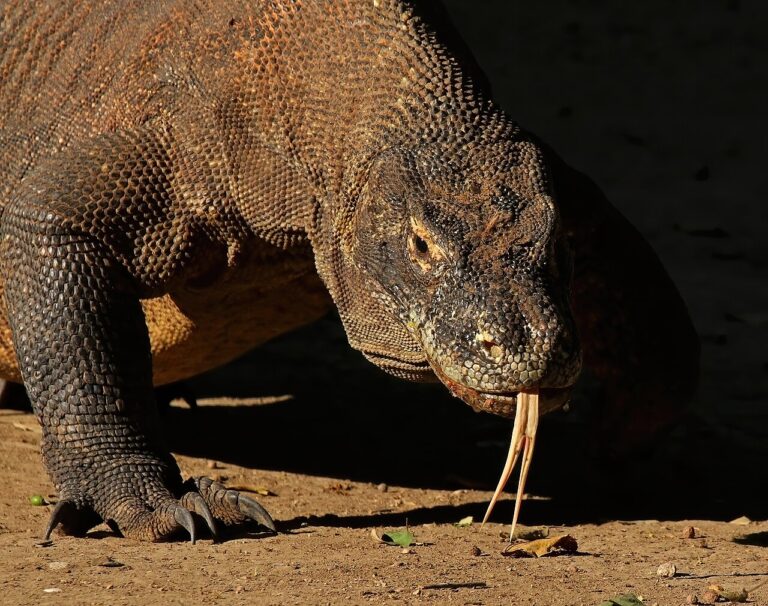 Komodo National Park Guide: Dragons, Diving and Island HoppingSee the world's largest lizard, snorkel with manta rays and hike Padar's viewpoints. How to plan a responsible…
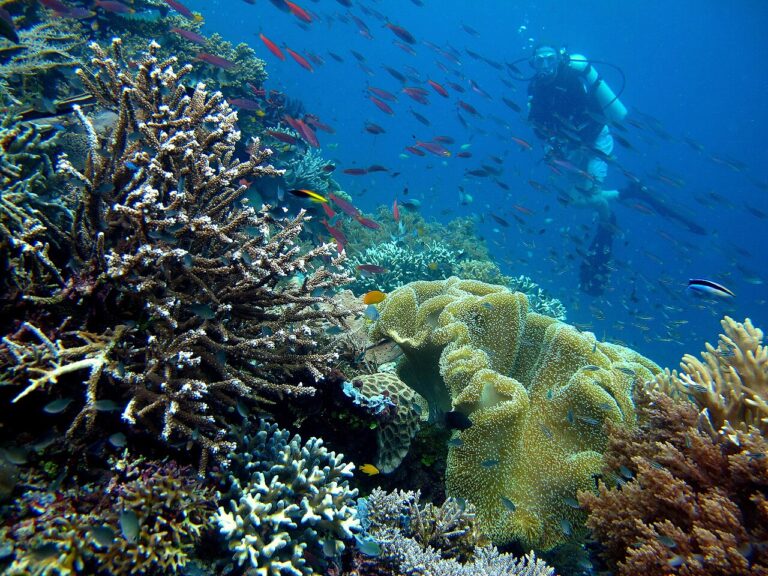 Raja Ampat: Diving the Heart of the Coral TriangleRaja Ampat has the highest marine biodiversity on Earth. How to plan a dive or snorkel trip, from…