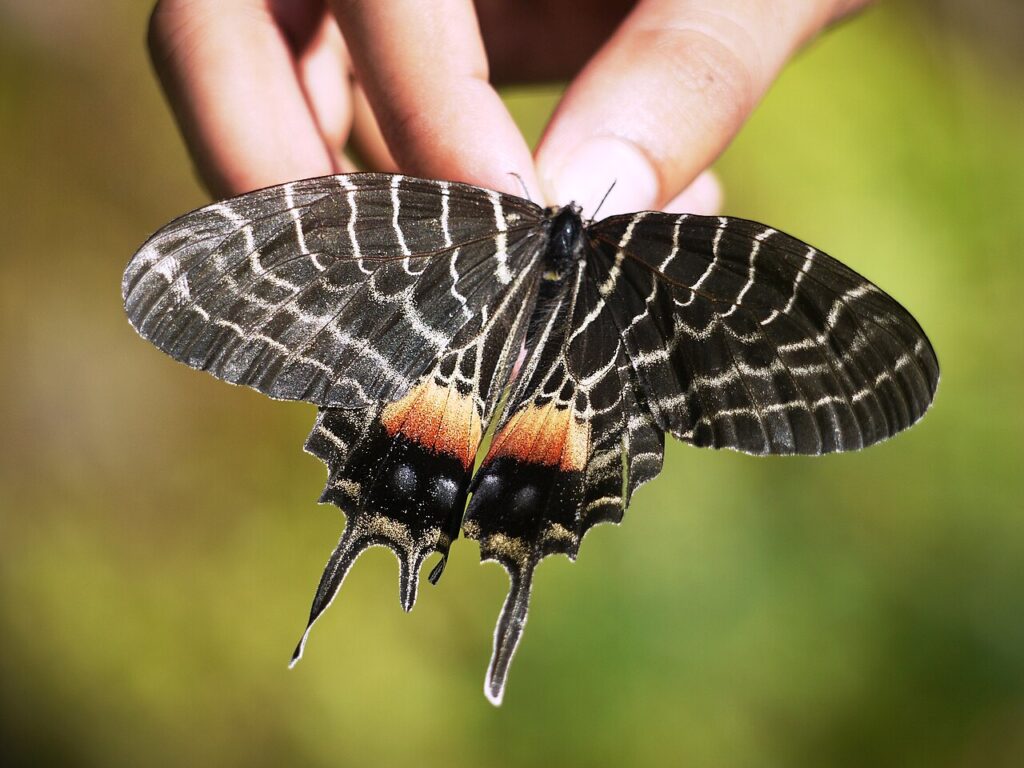
Bhutan, the small Himalayan kingdom between India and China, has one of the strongest conservation commitments in the world. Its constitution requires that at least 60% of the country remain forested, and more than half of its land is protected in national parks and biological corridors. From subtropical jungles in the south to alpine meadows in the north, it holds tigers, red pandas, snow leopards, takins and hundreds of bird species.
At a glance
| Best time | March to May and October to November; November to February for cranes |
| Getting there | Flights to Paro from Delhi, Kathmandu, Bangkok and elsewhere |
| Time needed | 7 to 14 days |
| Big draws | Black-necked cranes, takins, Himalayan birds, forests, culture |
| Good for | Birders, trekkers, culture and nature combined |
Wildlife highlights
- Black-necked cranes: these cranes breed on the Tibetan plateau and winter in Bhutan’s high valleys, especially Phobjikha and Bumdeling. Their arrival in autumn is celebrated with a festival at Gangtey monastery in November.
- Takin: Bhutan’s national animal, a strange, heavy goat-antelope. See our takin profile. A takin reserve near Thimphu holds animals in a large enclosure; wild takins are seen on treks such as the Jomolhari trek in summer.
- Tigers: tigers live from the southern jungles up to around 4,000 m. They are rarely seen, but camera traps have recorded them across the country.
- Red pandas in temperate forests, and snow leopards in the high north. See our red panda profile.
- Golden langurs: a rare primate found only in Bhutan and neighbouring Assam, seen in the south and centre.
- Birds: over 700 species, including the white-bellied heron (one of the world’s rarest birds), satyr tragopan, Himalayan monal, rufous-necked hornbill and many laughingthrushes.
Key areas
- Phobjikha Valley: a glacial valley and wintering ground for black-necked cranes, with a crane information centre.
- Royal Manas National Park: subtropical forest and grassland in the south, adjoining India’s Manas, with tigers, Asian elephants, golden langurs and hornbills.
- Jigme Dorji National Park: the country’s largest, with snow leopards, takins and blue sheep on high treks.
- Lingmethang and Yongkola: in eastern Bhutan, a famous birding route.
Travelling in Bhutan
- Most visitors must travel with a licensed guide and pay a daily Sustainable Development Fee (SDF), which funds conservation, health and education. The fee has changed several times in recent years; check the current rate with the Department of Tourism.
- Roads are winding and journeys slow.
When to go
- March to May: rhododendrons bloom and birding is excellent.
- October to November: clear mountain views and festivals; cranes arrive.
- November to February: cranes in Phobjikha; cold but clear.
- June to September: monsoon.
Frequently asked questions
Where can I see black-necked cranes in Bhutan? In the Phobjikha Valley and Bumdeling, from about late October to February.
Can I see tigers in Bhutan? Tigers live in Bhutan, but sightings are extremely rare.
Is Bhutan good for birdwatching? Yes, it is one of Asia’s top birding destinations, with over 700 species.
Do I need a guide in Bhutan? Most international visitors must travel with a licensed guide and tour operator. Check current rules.
Related guides
- Red panda trekking in Nepal
- Birdwatching in Nepal
- Snow leopard expeditions in Ladakh
- Animal profiles: Takin, Red panda, Red-crowned crane
Cover photo: Nandini Velho, CC BY-SA 3.0, via Wikimedia Commons