The puma is a large, slender, tawny cat of the Americas and a supreme ambush predator. Its adaptability lets it live from sea level to over 4,000 metres in the Andes, and from rainforests to deserts. Shy and mostly nocturnal, it is rarely seen, even where it is common.
Interesting facts
- The puma has the largest range of any wild land mammal in the Western Hemisphere, from Canada to the tip of South America.
- Despite its size, it belongs to the ‘small cats’ subfamily. It cannot roar, but it purrs, hisses and gives piercing screams.
- Its powerful hind legs let it leap several metres up onto rocks and branches.
- A single puma may range over hundreds of square kilometres.
- The Florida panther is a small, isolated puma population that was reduced to about 20 animals in the 1970s and has since recovered to around 120–230 adults.
- Pumas cache large kills under leaves and soil and return to feed over several days.
Behaviour
Pumas are solitary, except for mothers with cubs and mating pairs. They stalk prey through cover, then rush and bite the neck or the back of the skull. Adults mark territories with scrapes and urine. Males have large territories overlapping those of several females, and young males may disperse hundreds of kilometres to find their own.
Breeding and young
Breeding can happen at any time of year. After about 90 days, a female gives birth to one to six spotted cubs in a den among rocks or thick vegetation. The spots fade as they grow, and cubs stay with their mother for up to two years, learning to hunt.
Threats and conservation
Habitat loss and fragmentation, road deaths, conflict with livestock farmers and hunting. Although widespread and listed as Least Concern, many local populations are small and isolated, especially in eastern North America, where pumas were wiped out in the 1800s.
Where to see it
- Torres del Paine National Park, Chile: the best place in the world to see wild pumas, with specialist trackers
- Patagonia, Argentina
- Pantanal and Amazon, Brazil (rare sightings)
- Western United States and Canada (sightings are rare and usually brief)
Status source: IUCN Red List. Profile last reviewed September 2026.
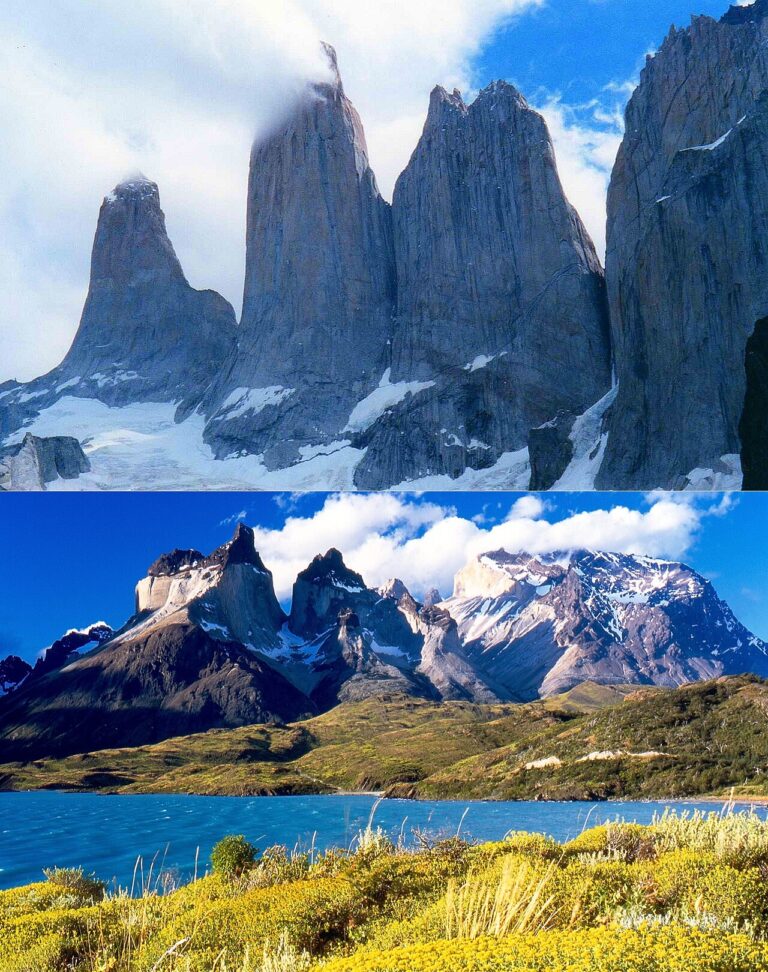 Puma Tracking in Torres del Paine
 Everglades National Park Wildlife Guide