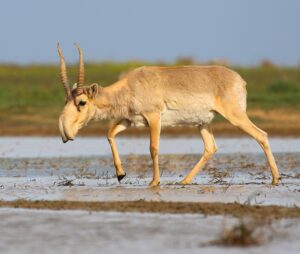
The pronghorn is a fast, deer-sized mammal of the open plains of western North America. It is the last survivor of a once-diverse family, and its speed and endurance are unmatched in the Americas.
Interesting facts
- It is not a true antelope; its closest living relatives are giraffes and okapis.
- It is the only animal that sheds the outer sheath of its horns every year.
- Its speed may have evolved to escape the extinct American cheetah.
- Pronghorn migrate about 250 km between Grand Teton National Park and the Upper Green River basin.
- Large eyes give it a wide field of view to spot predators far away.
- It is the only surviving member of its family.
Behaviour
Pronghorn live in herds that grow larger in winter. They rely on speed and eyesight rather than hiding. Many herds migrate between summer and winter ranges but struggle to cross fences, which they prefer to crawl under rather than jump.
Breeding and young
After about eight months, females usually give birth to twins. The fawns hide in vegetation for their first weeks.
Threats and conservation
Fences, roads and energy development block migrations; habitat loss and harsh winters also affect them.
Where to see it
- Yellowstone National Park, especially near Gardiner and the Lamar Valley
- Grand Teton National Park, Wyoming
- Wyoming’s Red Desert and Upper Green River basin
- Custer State Park, South Dakota
Status source: IUCN Red List. Profile last reviewed September 2026.
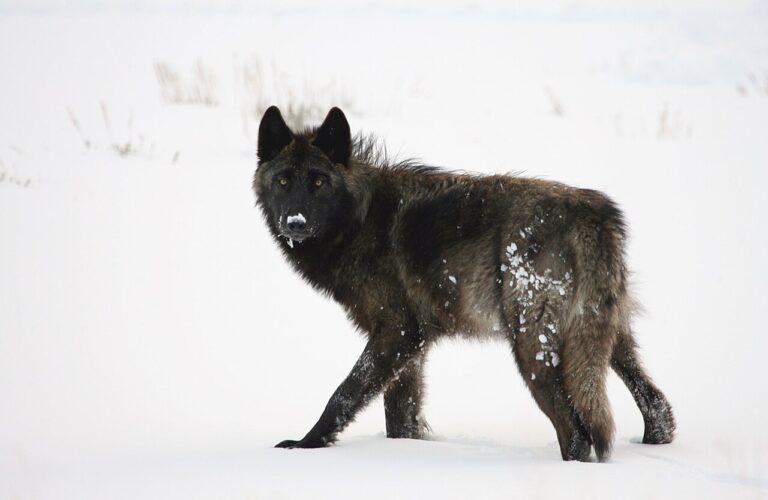 Wolf Watching in Yellowstone’s Lamar Valley
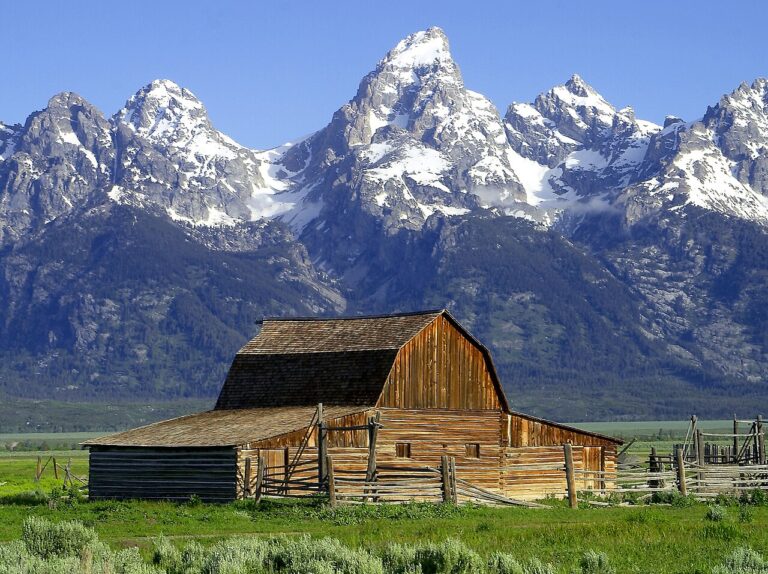 Grand Teton Wildlife Guide