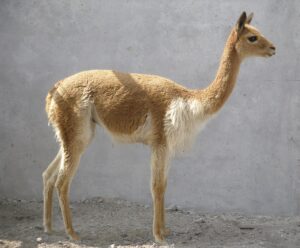
The guanaco is a wild camelid of South America and the largest native land mammal in many of the habitats where it lives. Herds of guanacos are a classic sight in Patagonia.
Interesting facts
- Guanacos live from the dry Atacama Desert to the windy grasslands of Tierra del Fuego.
- Their blood carries oxygen efficiently, helping them live at high altitudes.
- Guanacos give a high-pitched, laughing alarm call.
- Young guanacos, called chulengos, can walk within minutes of birth.
- Most of the world’s guanacos live in Argentina.
- They can swim well, crossing rivers and channels.
Behaviour
Guanacos live in family groups of one male with several females and young, in bachelor groups, or alone. Males defend territories and use shared dung piles as markers.
Breeding and young
After about 11 months, a single chulengo is born, usually in summer.
Threats and conservation
Guanacos are common in Patagonia, but they have disappeared from much of their former range because of hunting, fences and competition with sheep.
Where to see it
- Torres del Paine National Park, Chile
- Península Valdés, Argentina
- Tierra del Fuego, Chile and Argentina
- Pan de Azúcar National Park, Atacama, Chile
Status source: IUCN Red List. Profile last reviewed September 2026.
Where to see the guanaco
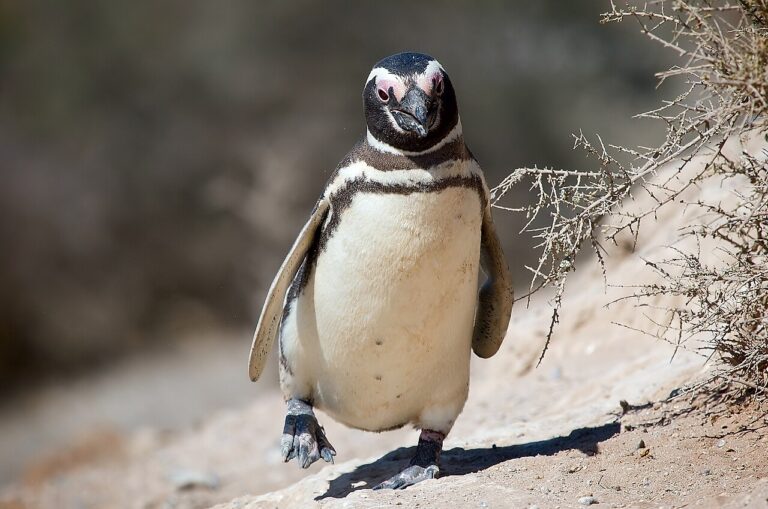 Península Valdés: Whales, Orcas and PenguinsOne of the best marine wildlife destinations in the world, Península Valdés offers whales, orcas, penguins and elephant…
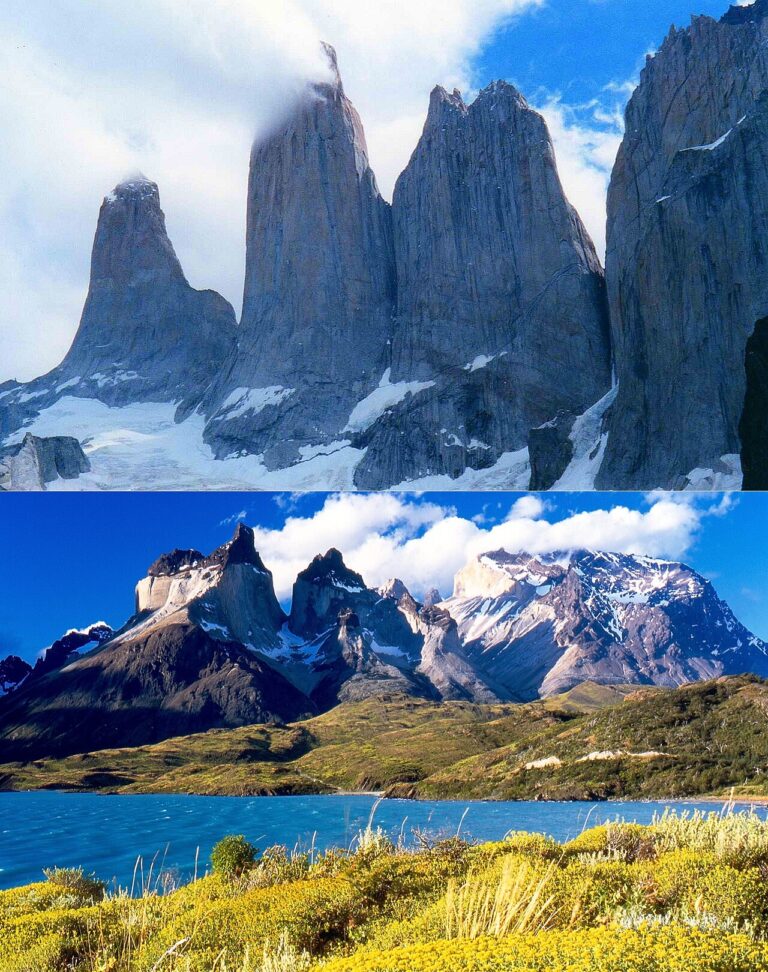 Puma Tracking in Torres del PainePatagonia's pumas have become some of the most watchable wild cats in the Americas. How puma tracking works…