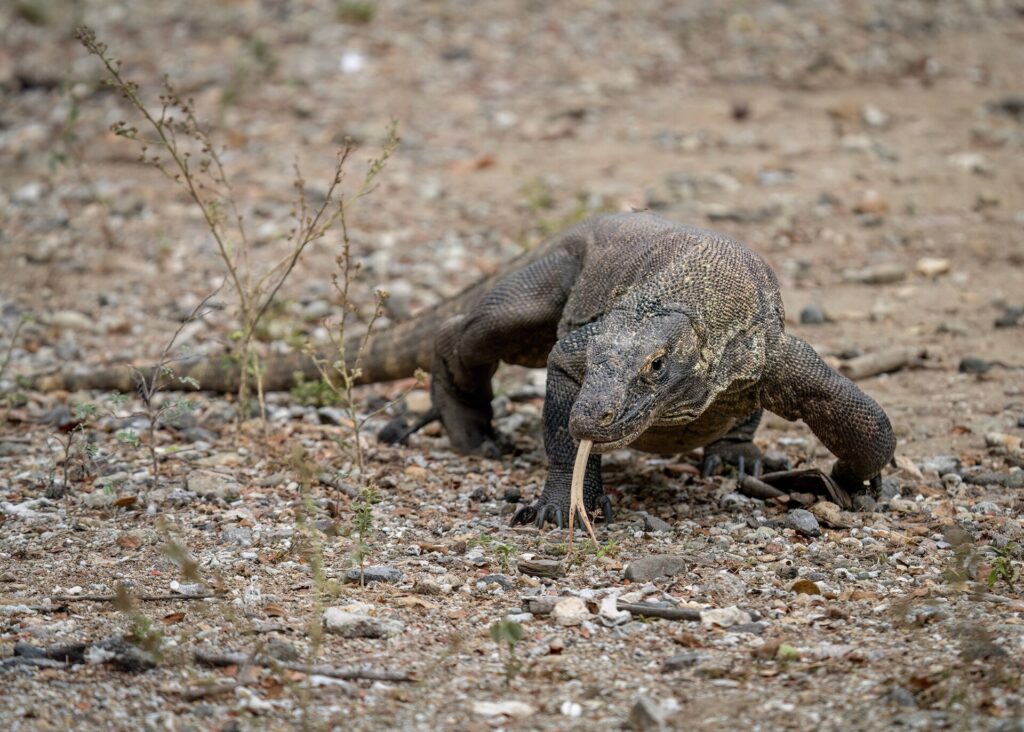
Komodo Dragon
Komodo dragons have venom glands in their lower jaws; the venom causes bleeding and shock, helping to bring down large prey.
Komodo dragons have venom glands in their lower jaws; the venom causes bleeding and shock, helping to bring down large prey.
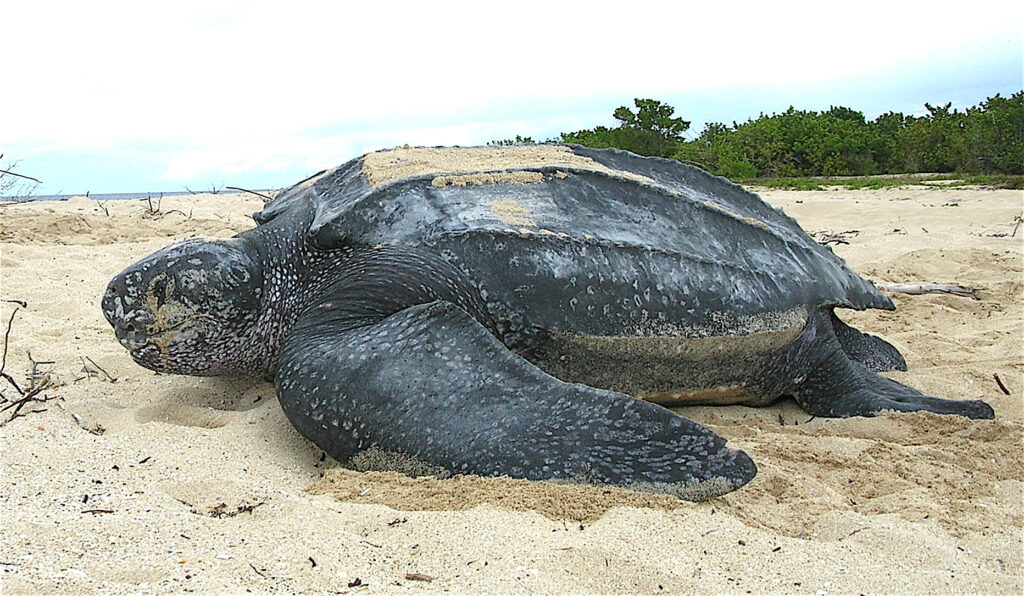
The leatherback is the largest turtle on Earth and can dive deeper than 1,200 metres, deeper than any other reptile.
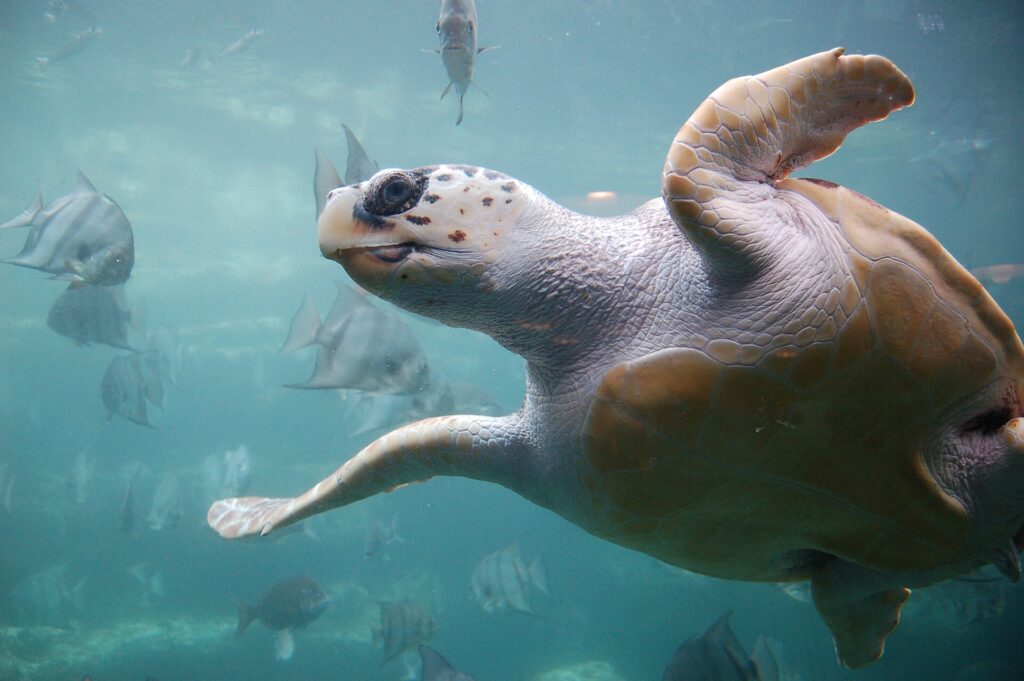
Loggerhead hatchlings use Earth’s magnetic field like a built-in map to navigate across entire ocean basins.
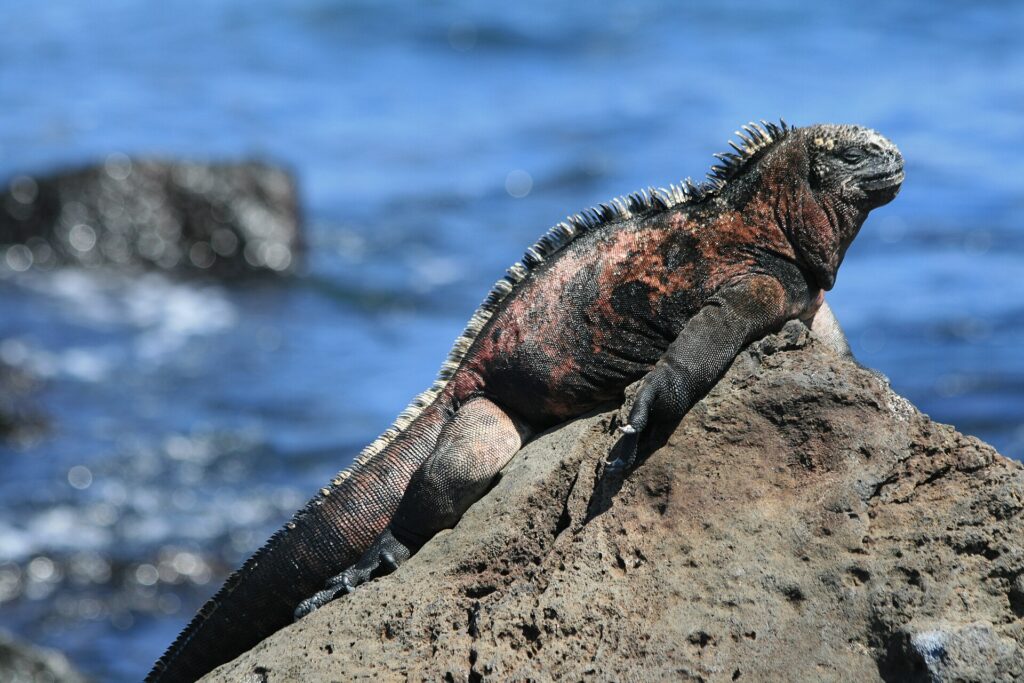
The marine iguana is the only lizard in the world that feeds in the sea, and it sneezes out excess salt through special glands.
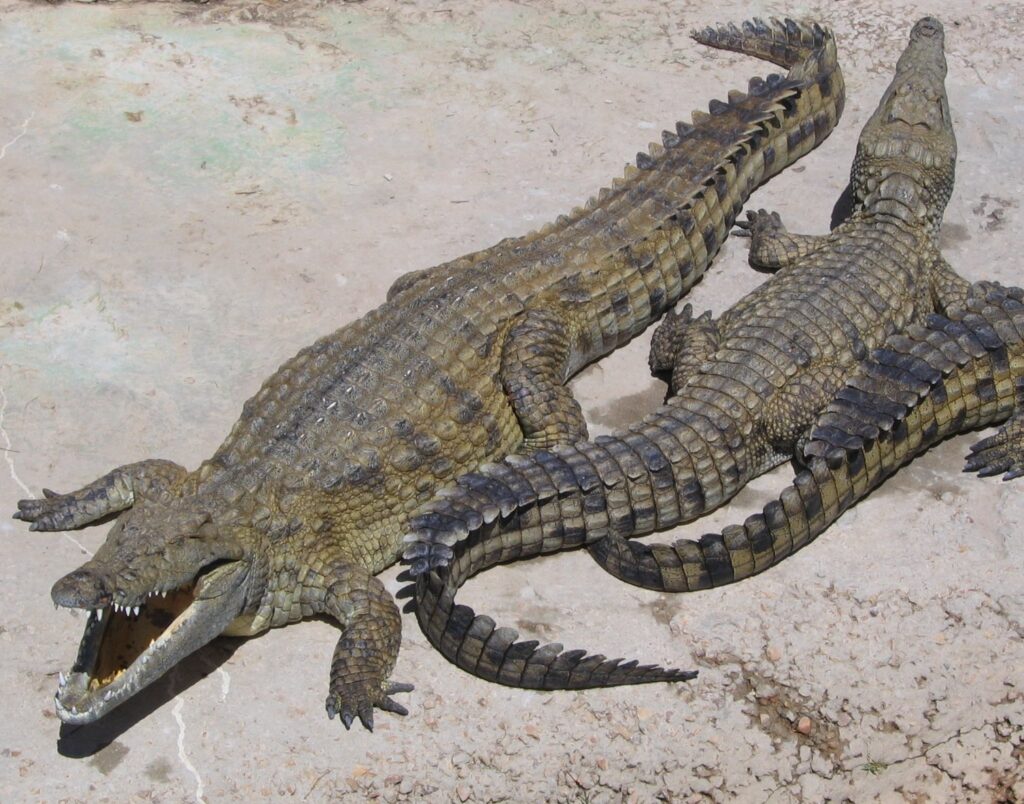
Nile crocodiles ambush wildebeest and zebras at the Mara River crossings, and can go months without eating after a large meal.
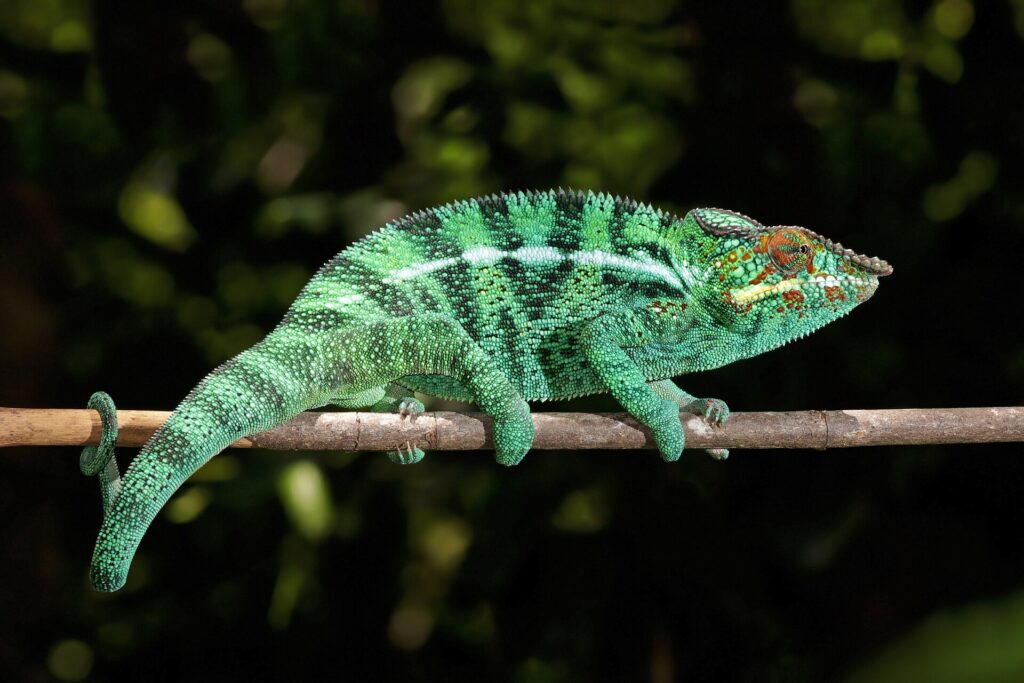
Chameleons change colour by adjusting tiny nanocrystals in their skin cells, mainly to communicate and regulate temperature, not only to camouflage.
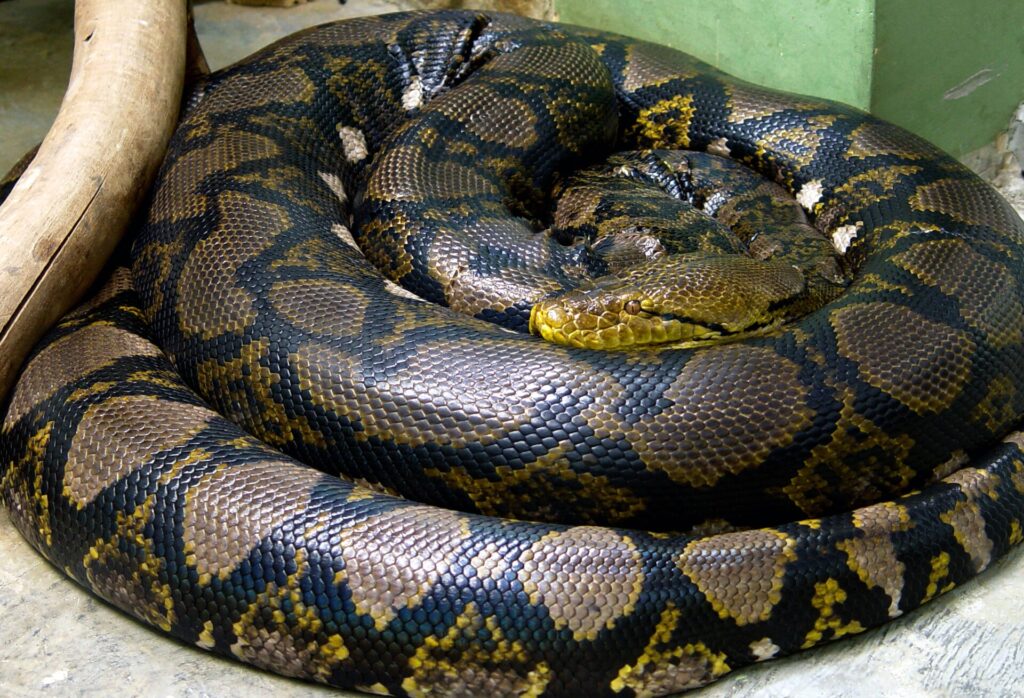
The reticulated python is the longest snake in the world, and very large individuals can swallow prey as big as a deer or a pig.
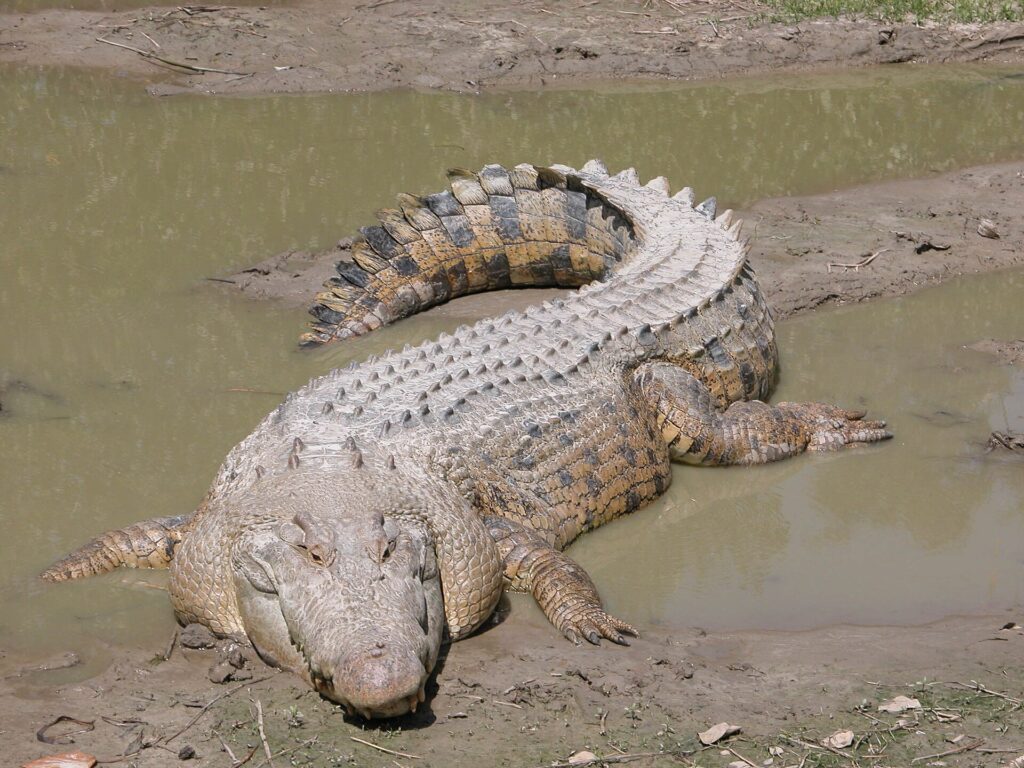
The saltwater crocodile has the strongest bite ever measured for a living animal, over 16,000 newtons.
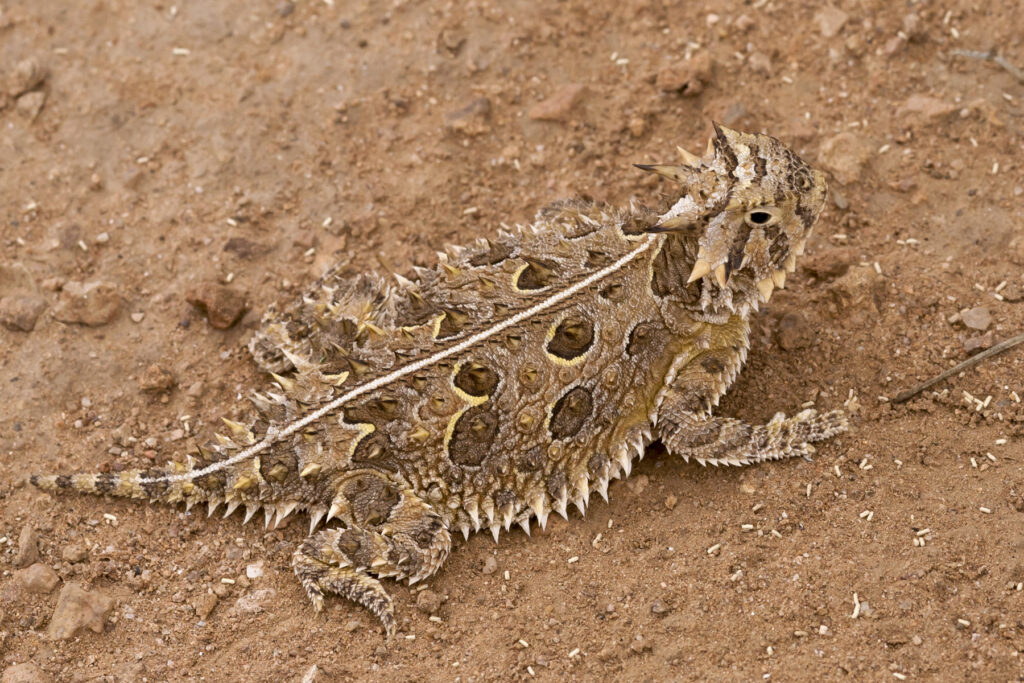
The Texas horned lizard can squirt a stream of foul-tasting blood from its eyes, up to about 1.5 metres, to drive off coyotes and dogs.
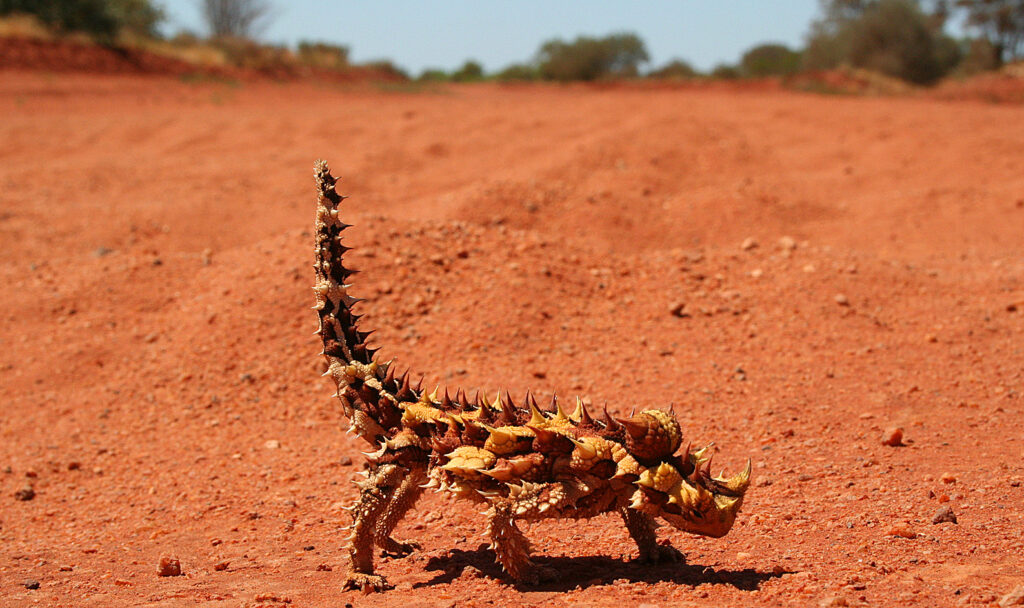
The thorny devil can drink through its skin: tiny grooves between its scales draw water from damp sand or dew up to its mouth.