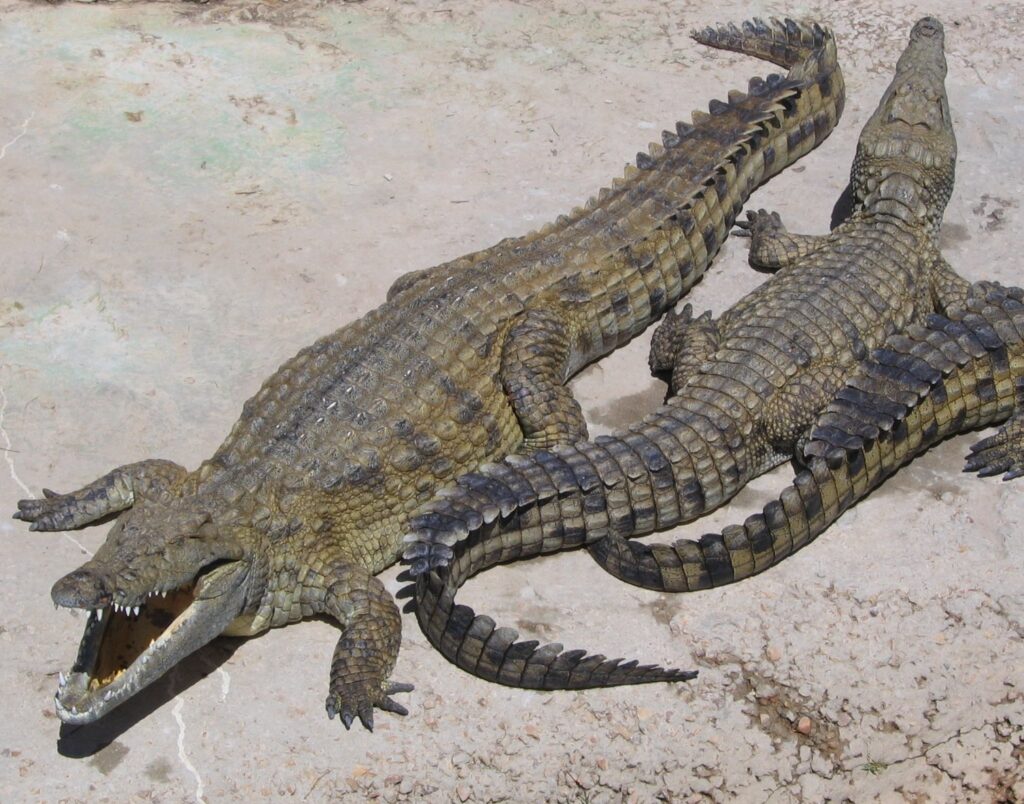
Nile Crocodile
Nile crocodiles ambush wildebeest and zebras at the Mara River crossings, and can go months without eating after a large meal.
Nile crocodiles ambush wildebeest and zebras at the Mara River crossings, and can go months without eating after a large meal.
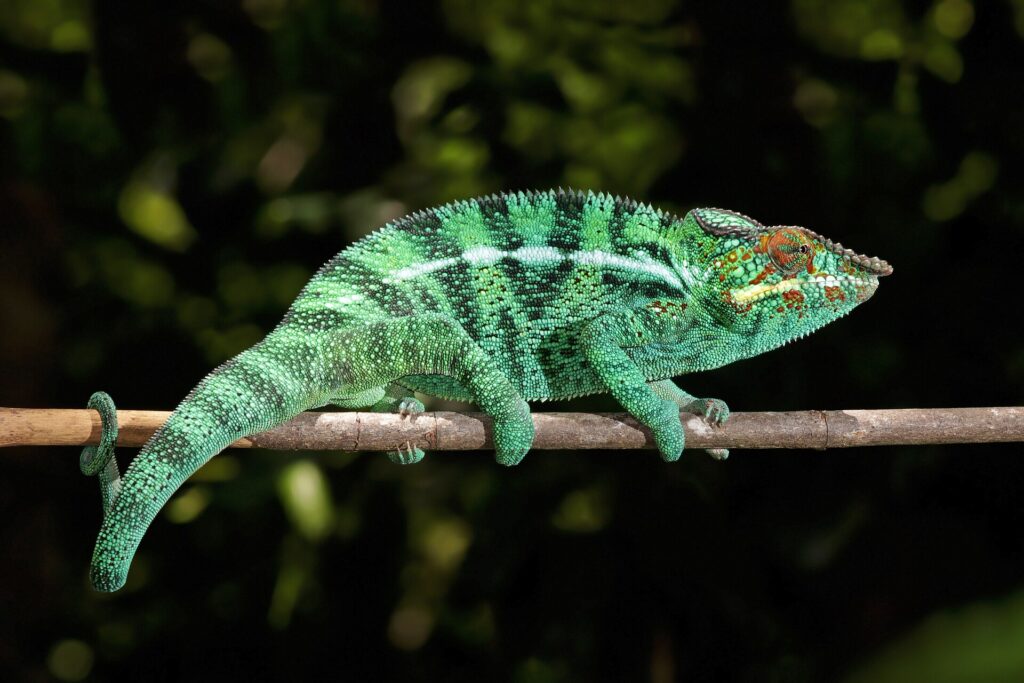
Chameleons change colour by adjusting tiny nanocrystals in their skin cells, mainly to communicate and regulate temperature, not only to camouflage.
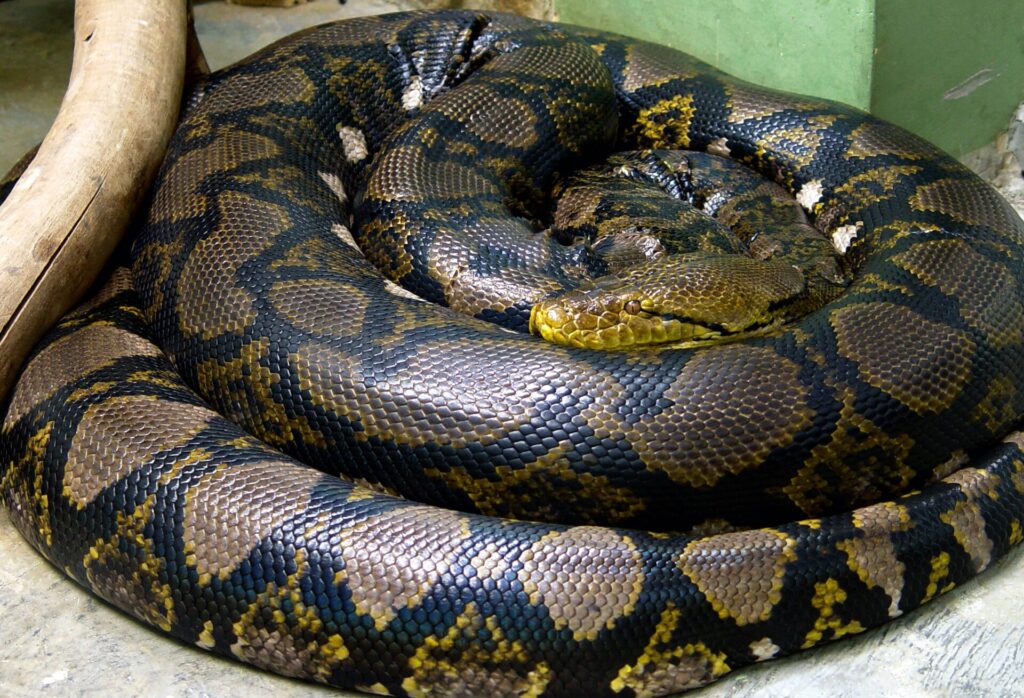
The reticulated python is the longest snake in the world, and very large individuals can swallow prey as big as a deer or a pig.
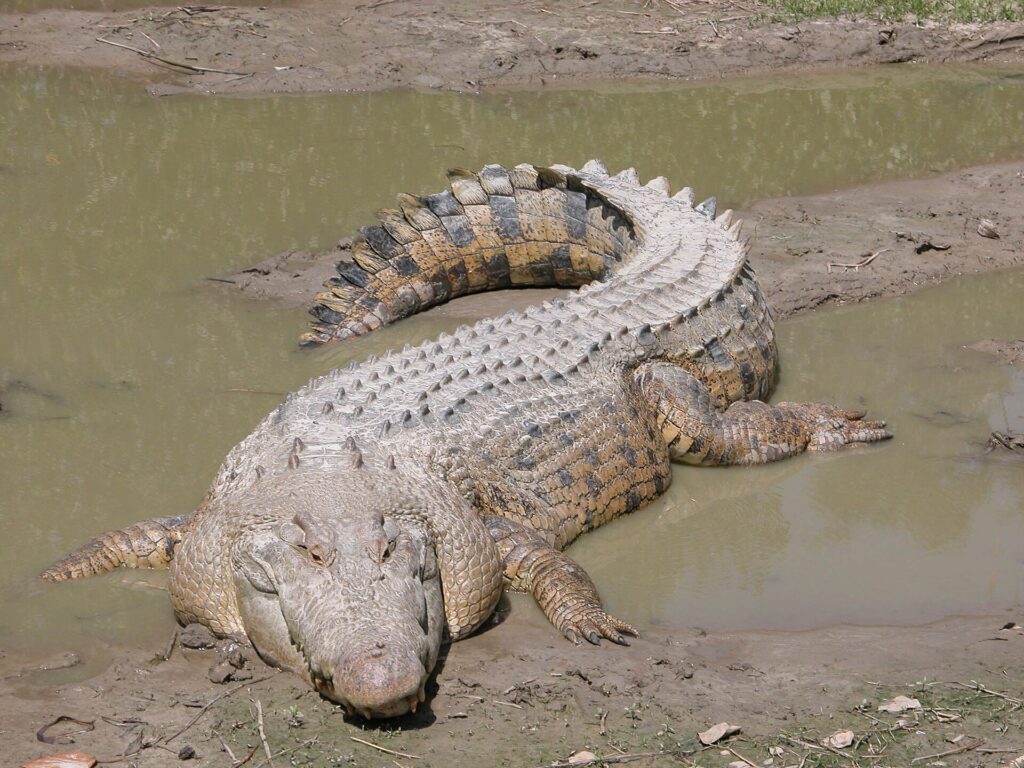
The saltwater crocodile has the strongest bite ever measured for a living animal, over 16,000 newtons.
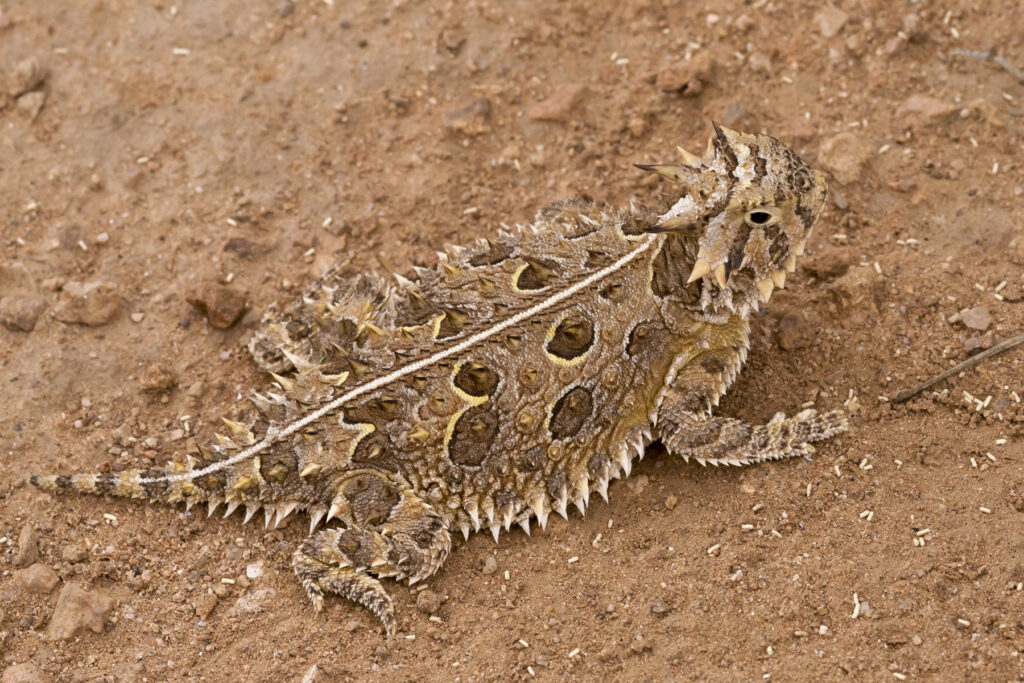
The Texas horned lizard can squirt a stream of foul-tasting blood from its eyes, up to about 1.5 metres, to drive off coyotes and dogs.
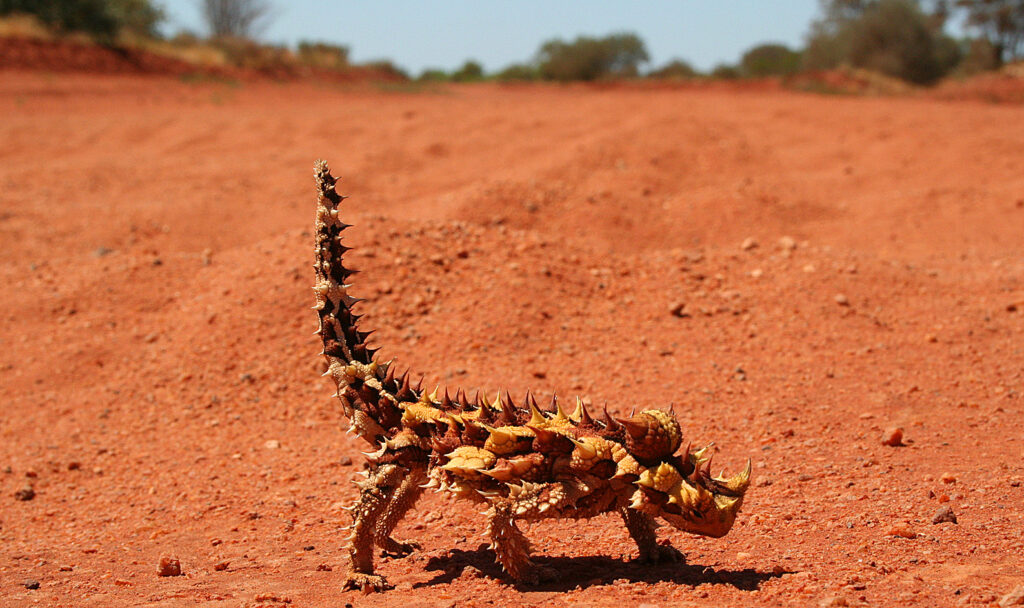
The thorny devil can drink through its skin: tiny grooves between its scales draw water from damp sand or dew up to its mouth.
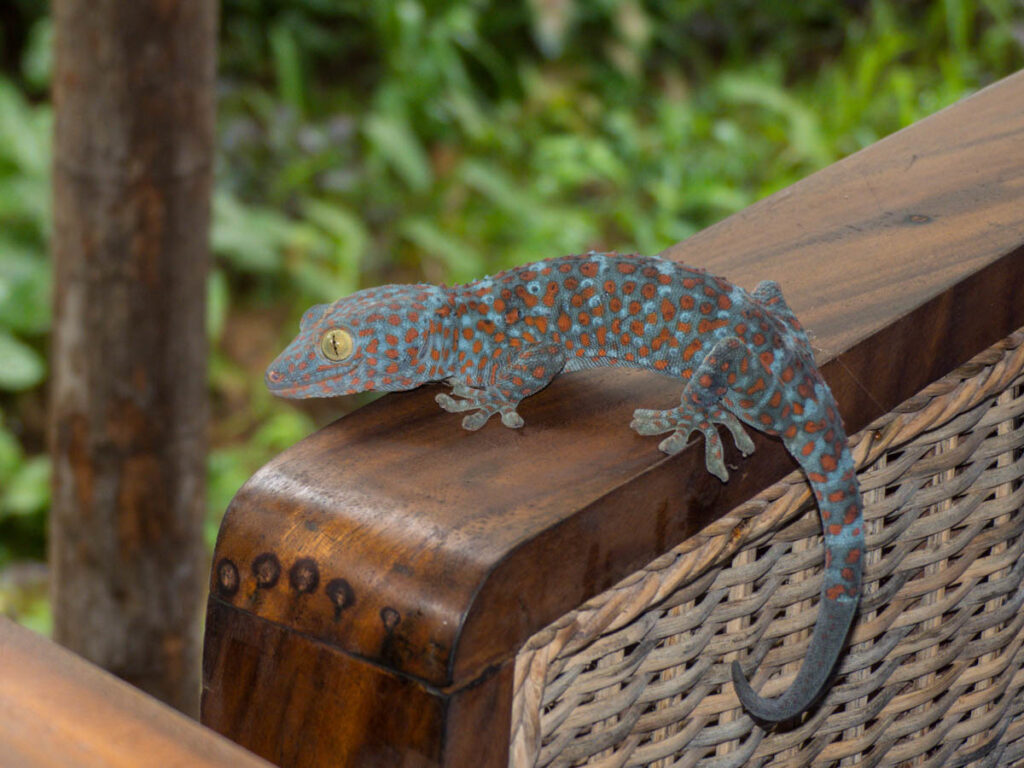
A tokay gecko’s toes are covered in millions of microscopic hairs that stick to surfaces by molecular forces, inspiring scientists to invent ‘gecko tape’.
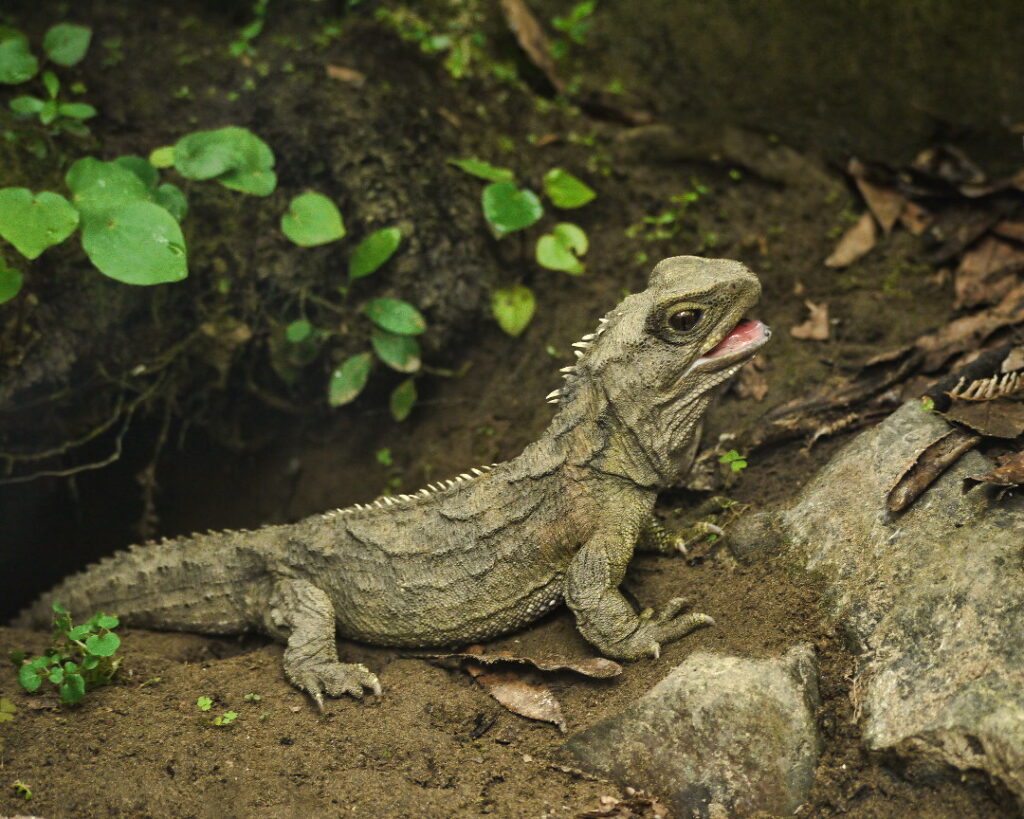
The tuatara is the only survivor of an ancient group of reptiles that flourished alongside the early dinosaurs about 200 million years ago.
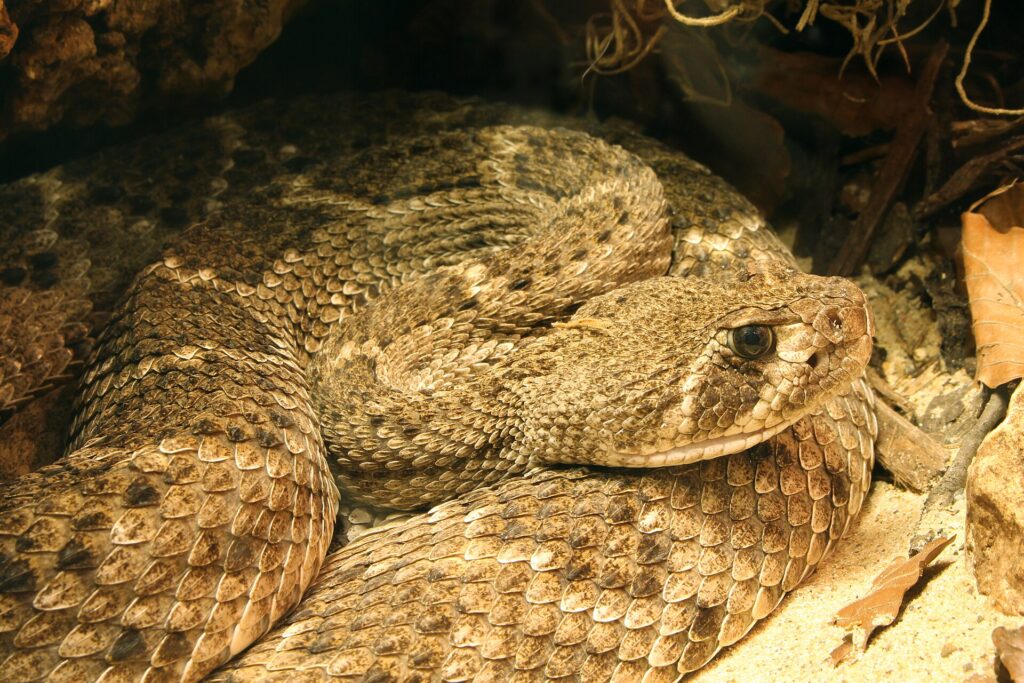
When someone approaches, a rattlesnake suddenly switches its rattle to a higher frequency, which tricks the listener into thinking the snake is closer than it is.