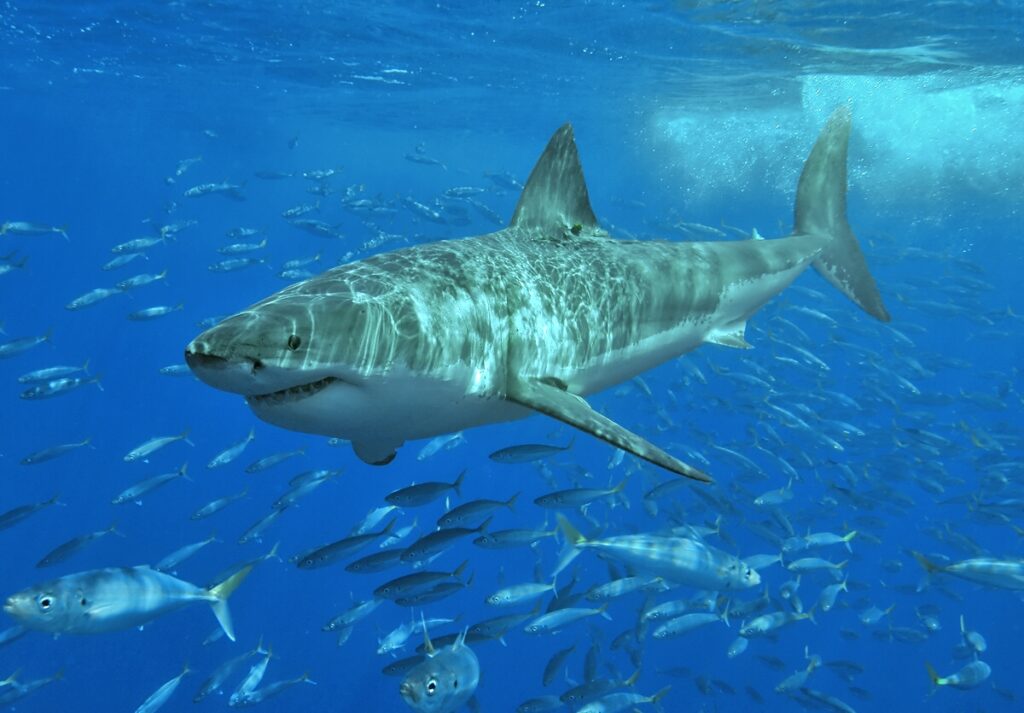
Great White Shark
Great white sharks can detect tiny electrical fields from living animals using sensory pores on their snouts called ampullae of Lorenzini.
Great white sharks can detect tiny electrical fields from living animals using sensory pores on their snouts called ampullae of Lorenzini.
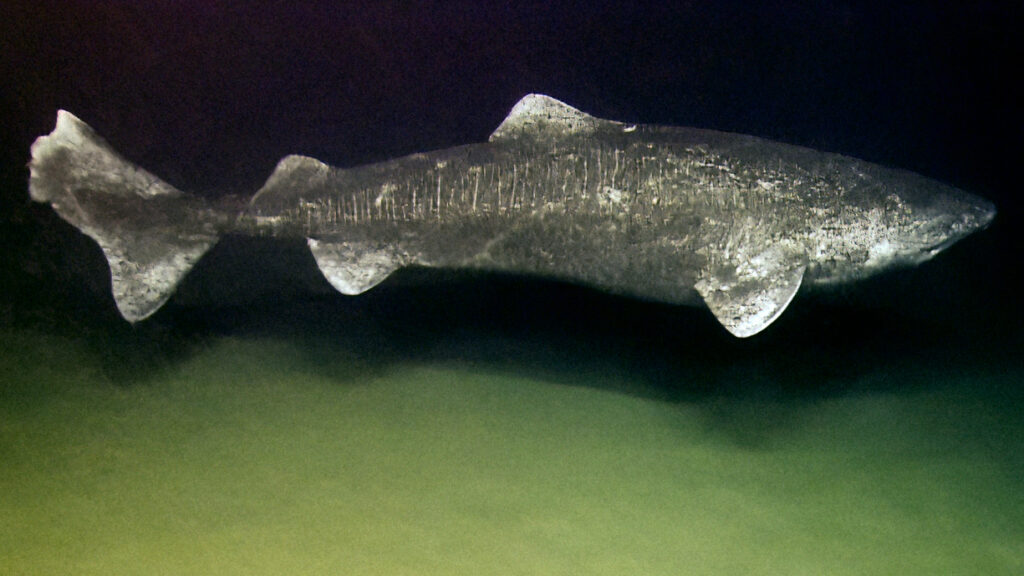
The Greenland shark is the longest-lived vertebrate known: scientists estimated one individual to be around 400 years old.
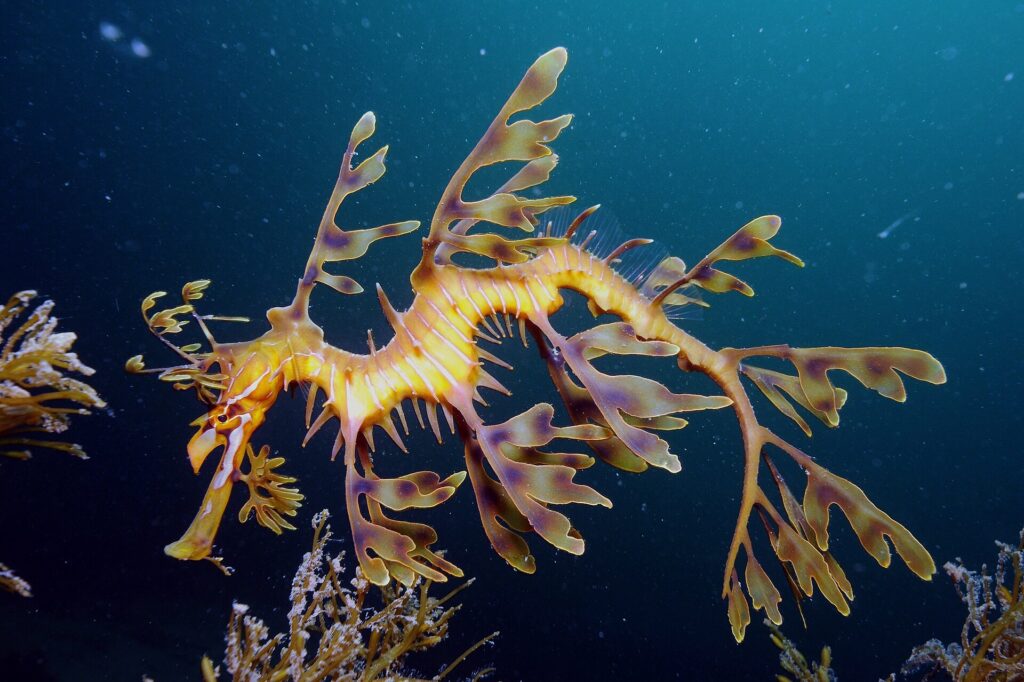
The leafy seadragon is covered in leaf-shaped growths that make it look like drifting seaweed, one of the most remarkable camouflages in the sea.
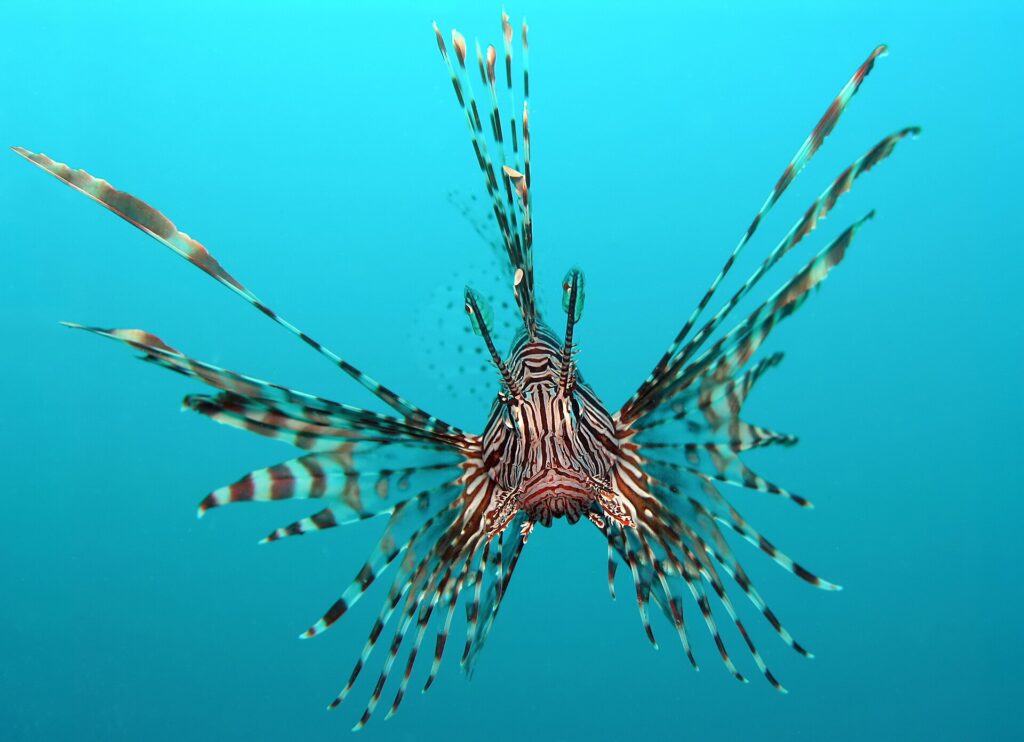
Lionfish released from aquariums in Florida have spread across the Caribbean, where a single lionfish can cut the number of young native fish on a reef by almost 80 percent in a few weeks.
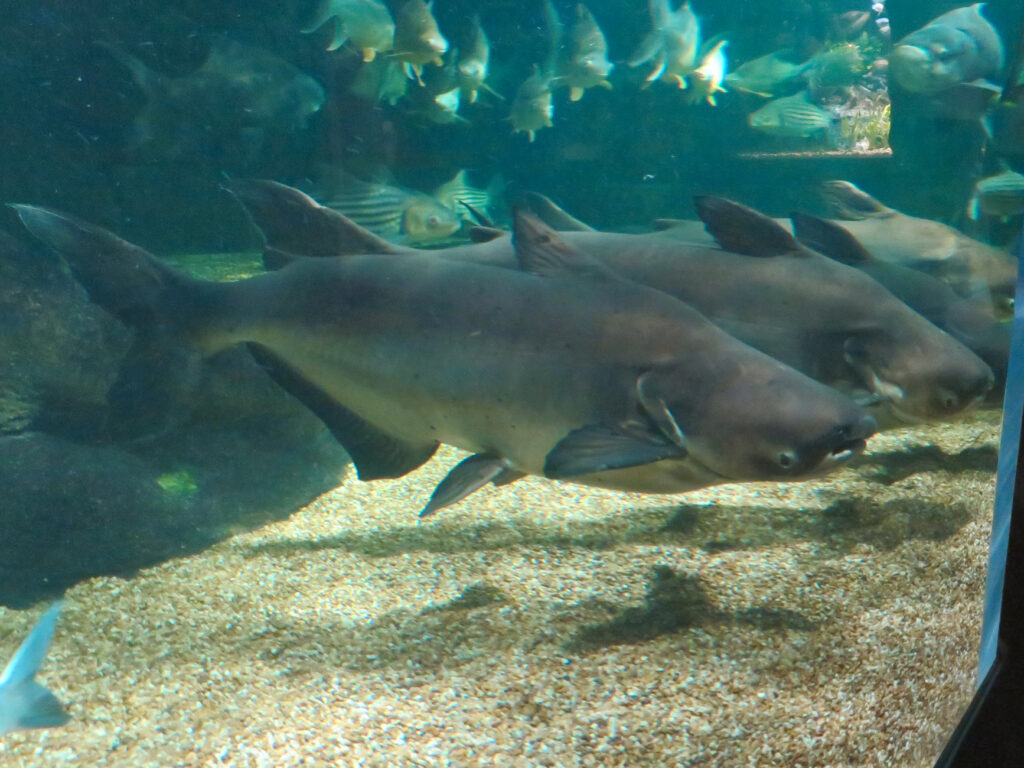
The Mekong giant catfish is one of the largest freshwater fish on Earth, and it can grow to 150–200 kg in just six years.
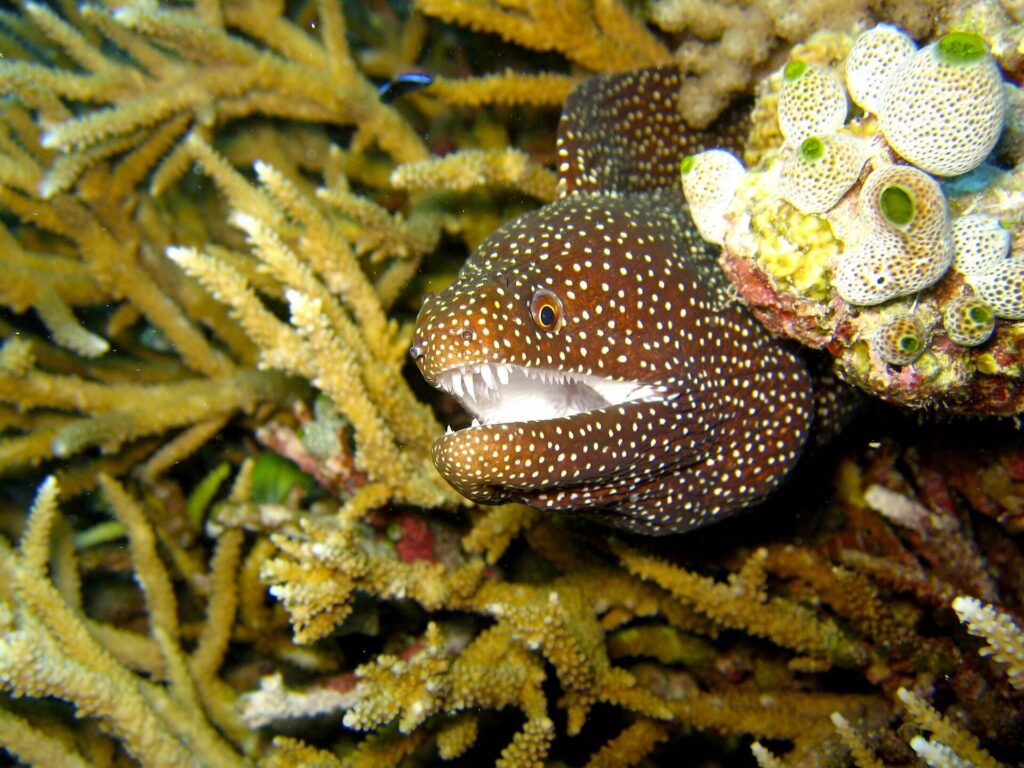
Moray eels have a second set of jaws in their throat that shoot forward to grab prey and drag it into the gullet, like the creature in the film Alien.
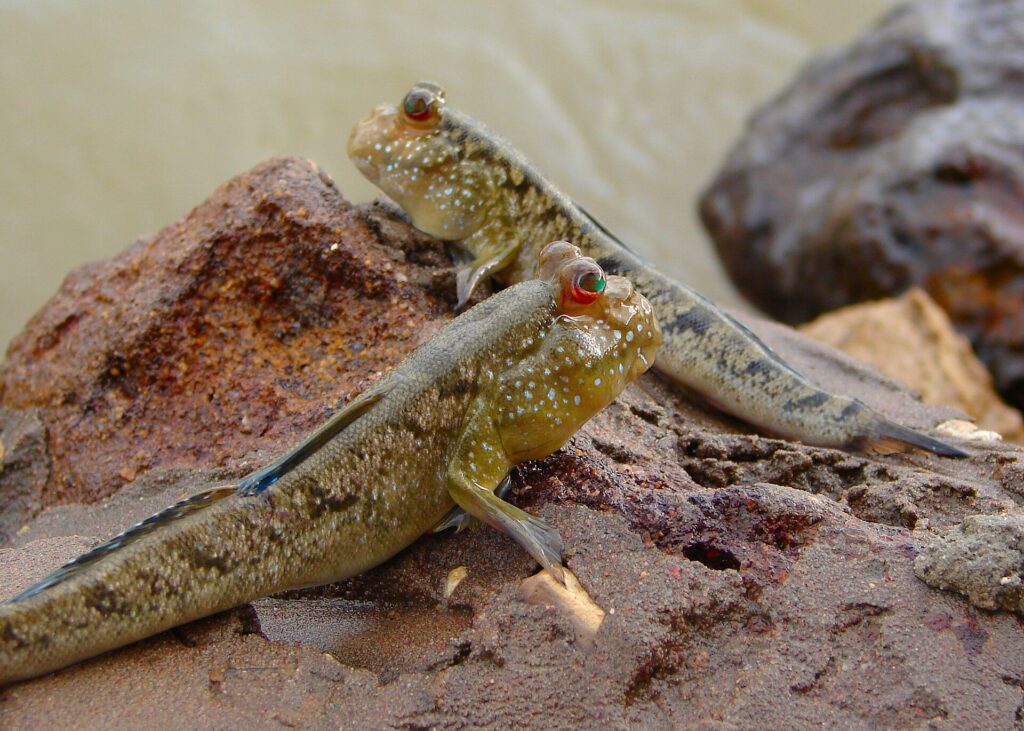
Mudskippers are fish that spend much of their time out of water, walking and skipping across mudflats on their fins.
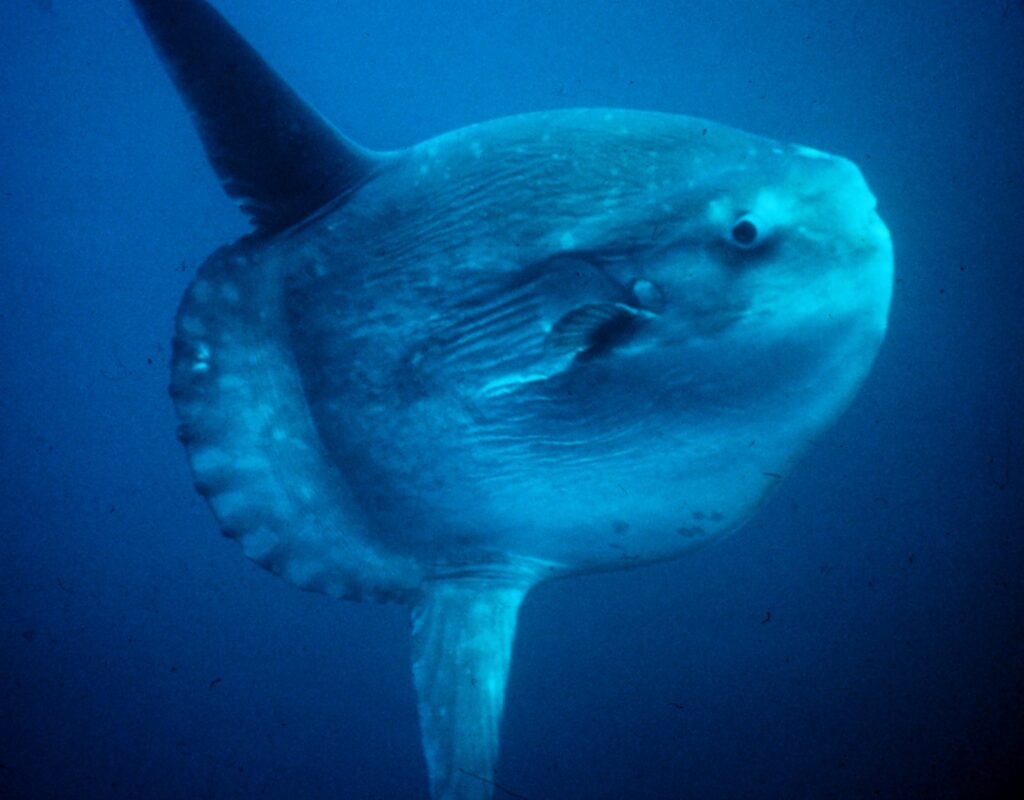
A female ocean sunfish can carry around 300 million eggs, more than any other known vertebrate.
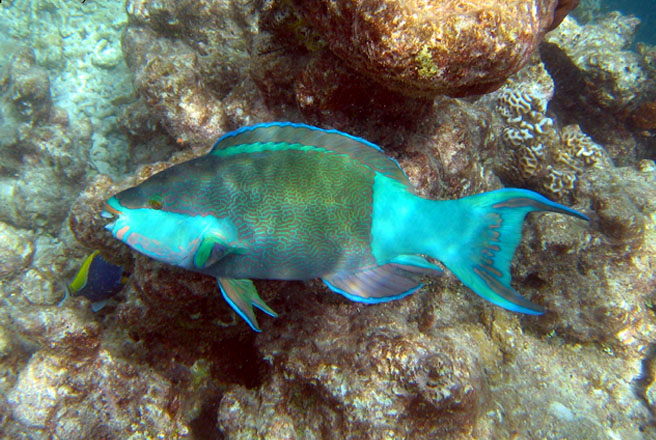
Parrotfish grind up coral as they feed and excrete fine white sand; a single large parrotfish can produce hundreds of kilograms of sand a year.
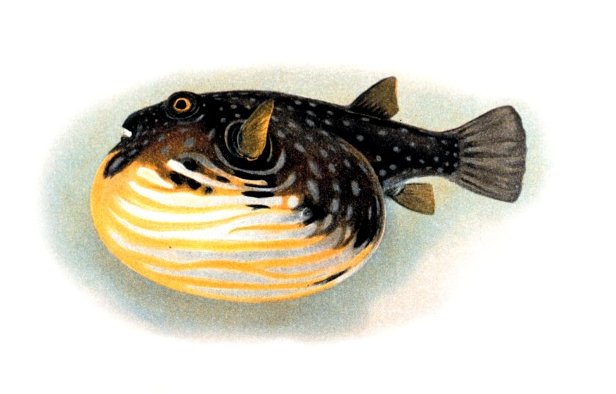
Many pufferfish contain tetrodotoxin, a poison far more toxic than cyanide, and in Japan only specially licensed chefs may prepare pufferfish, called fugu, for eating.