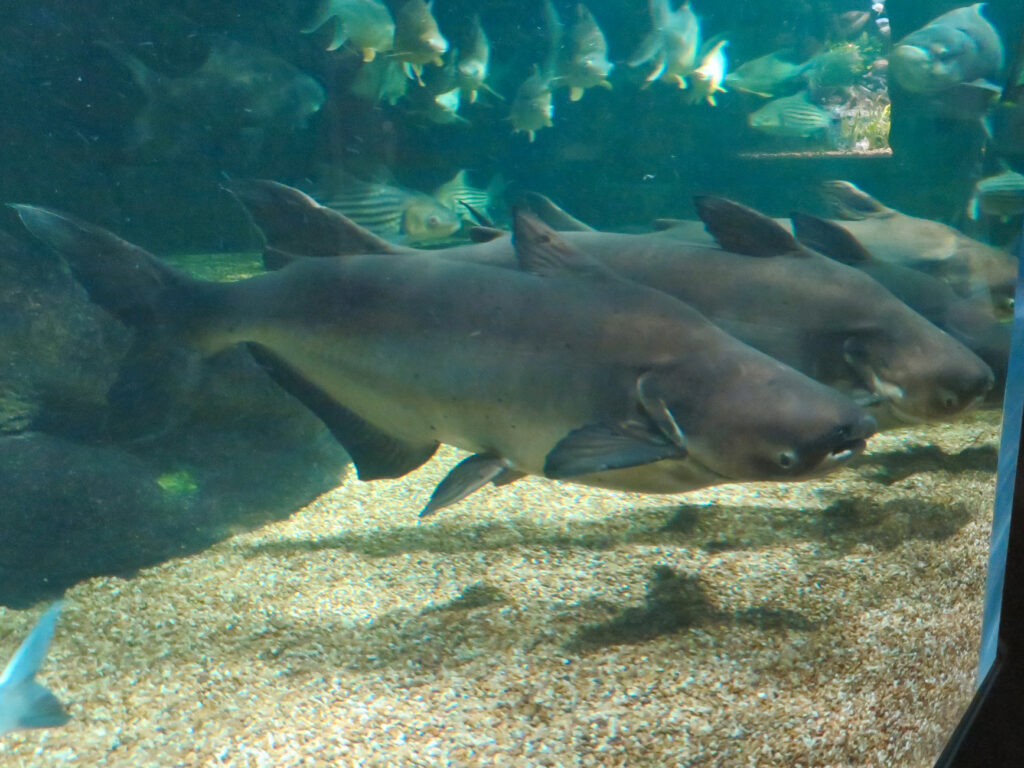
Mekong Giant Catfish
The Mekong giant catfish is one of the largest freshwater fish on Earth, and it can grow to 150–200 kg in just six years.
The Mekong giant catfish is one of the largest freshwater fish on Earth, and it can grow to 150–200 kg in just six years.
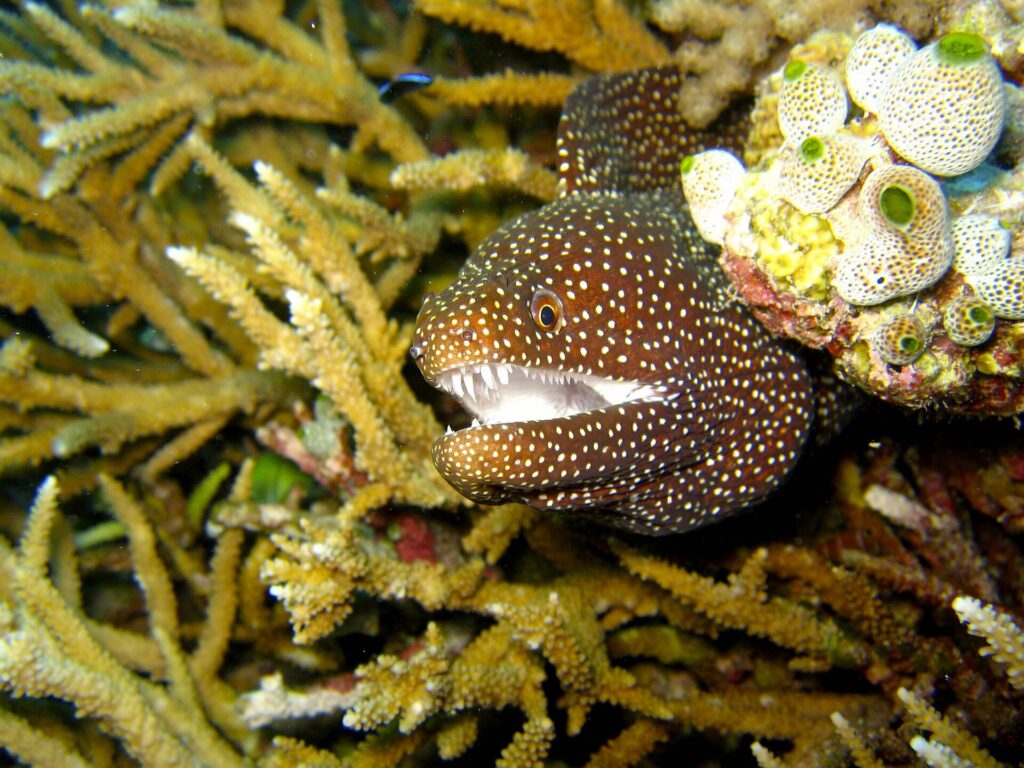
Moray eels have a second set of jaws in their throat that shoot forward to grab prey and drag it into the gullet, like the creature in the film Alien.
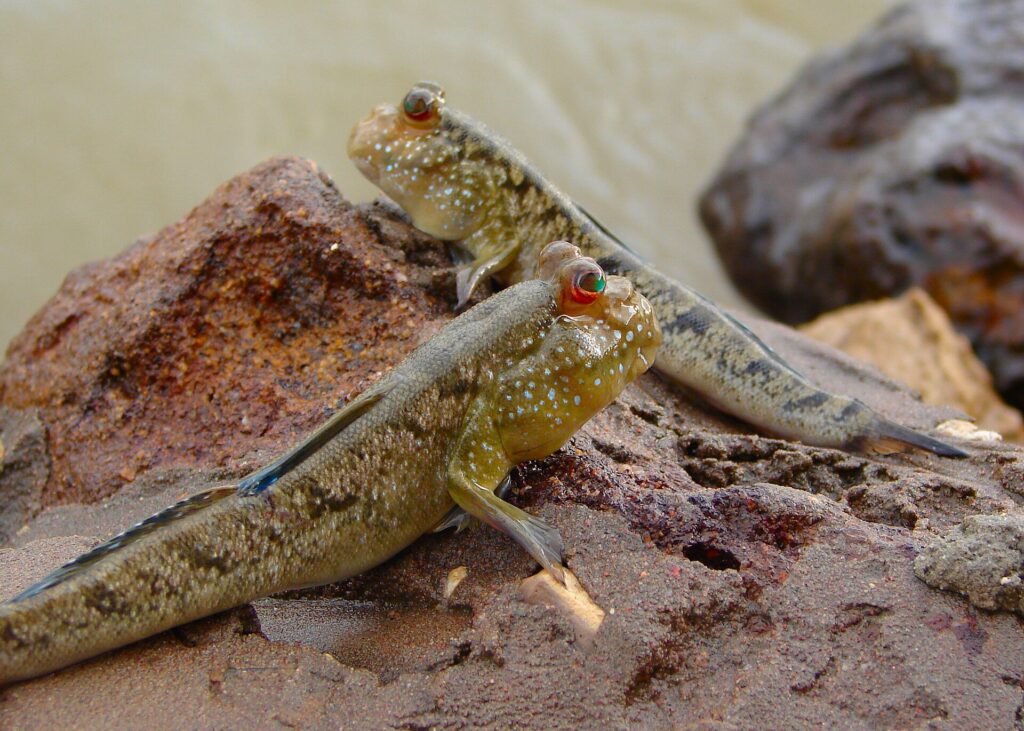
Mudskippers are fish that spend much of their time out of water, walking and skipping across mudflats on their fins.
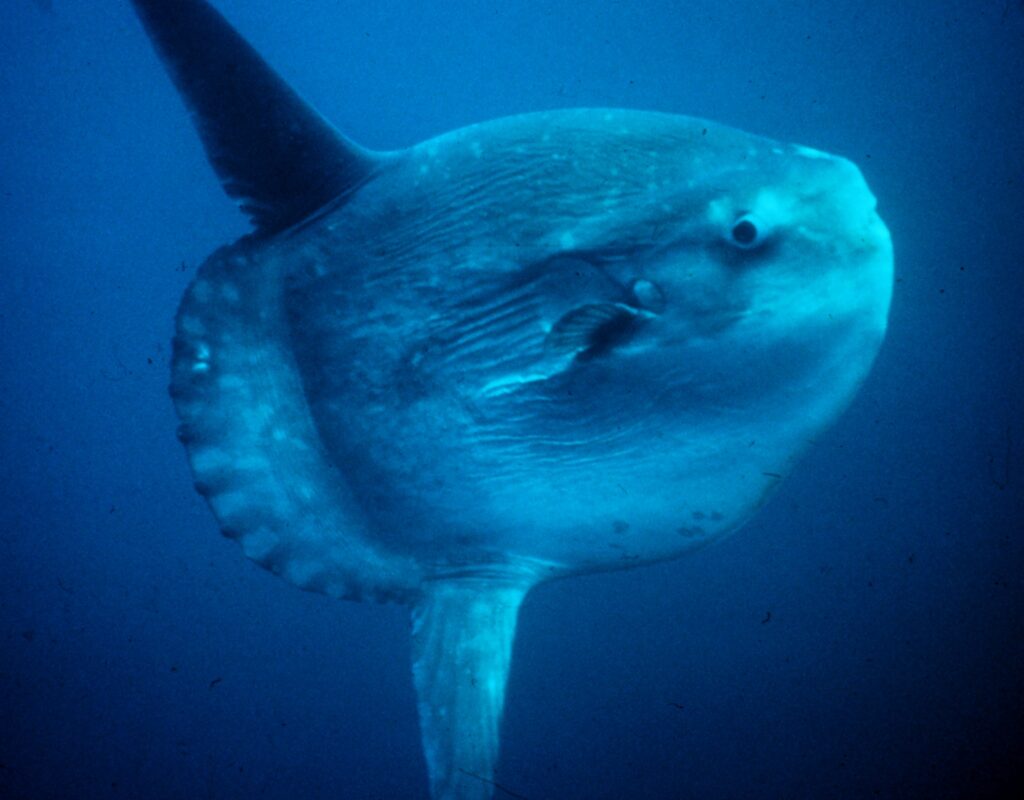
A female ocean sunfish can carry around 300 million eggs, more than any other known vertebrate.
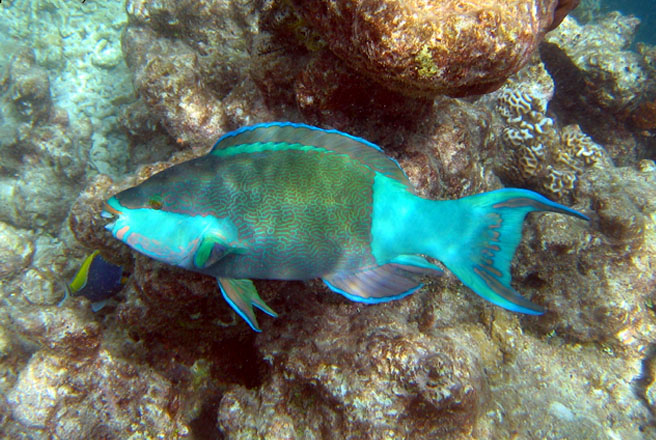
Parrotfish grind up coral as they feed and excrete fine white sand; a single large parrotfish can produce hundreds of kilograms of sand a year.
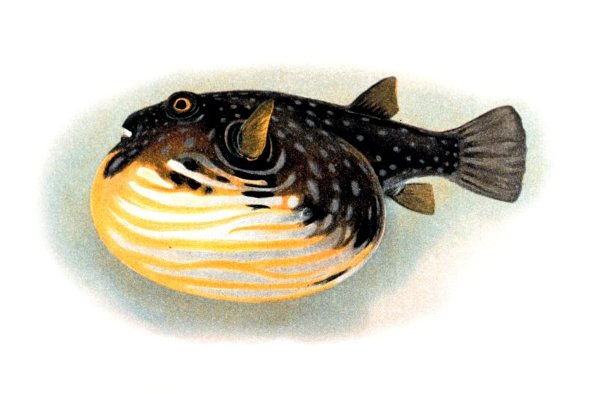
Many pufferfish contain tetrodotoxin, a poison far more toxic than cyanide, and in Japan only specially licensed chefs may prepare pufferfish, called fugu, for eating.
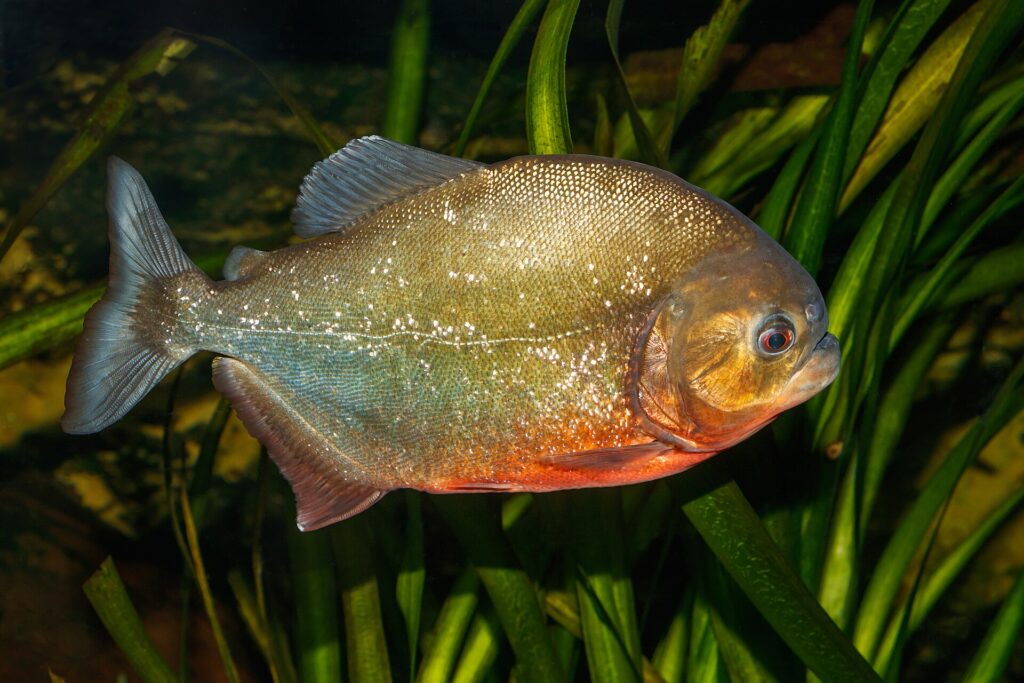
Piranhas form shoals mainly for protection from predators such as caimans, dolphins and birds, not to hunt in frenzied packs.
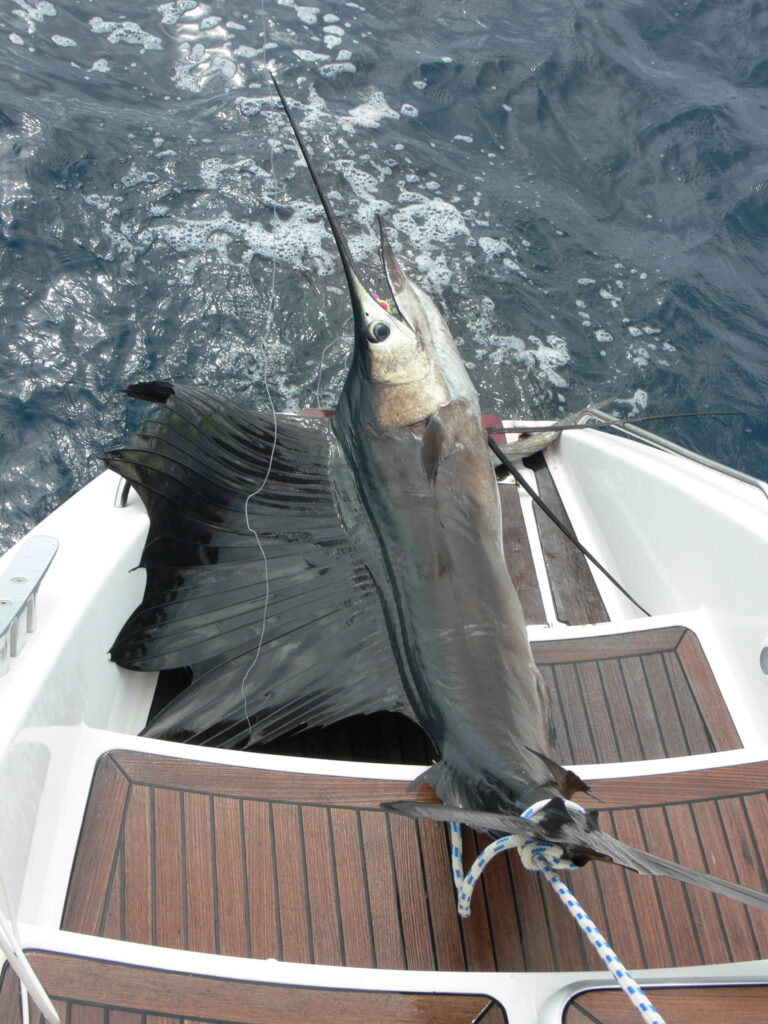
Sailfish hunt in groups, taking turns to slash through shoals of sardines with their long bills, injuring fish that are then easier to catch.
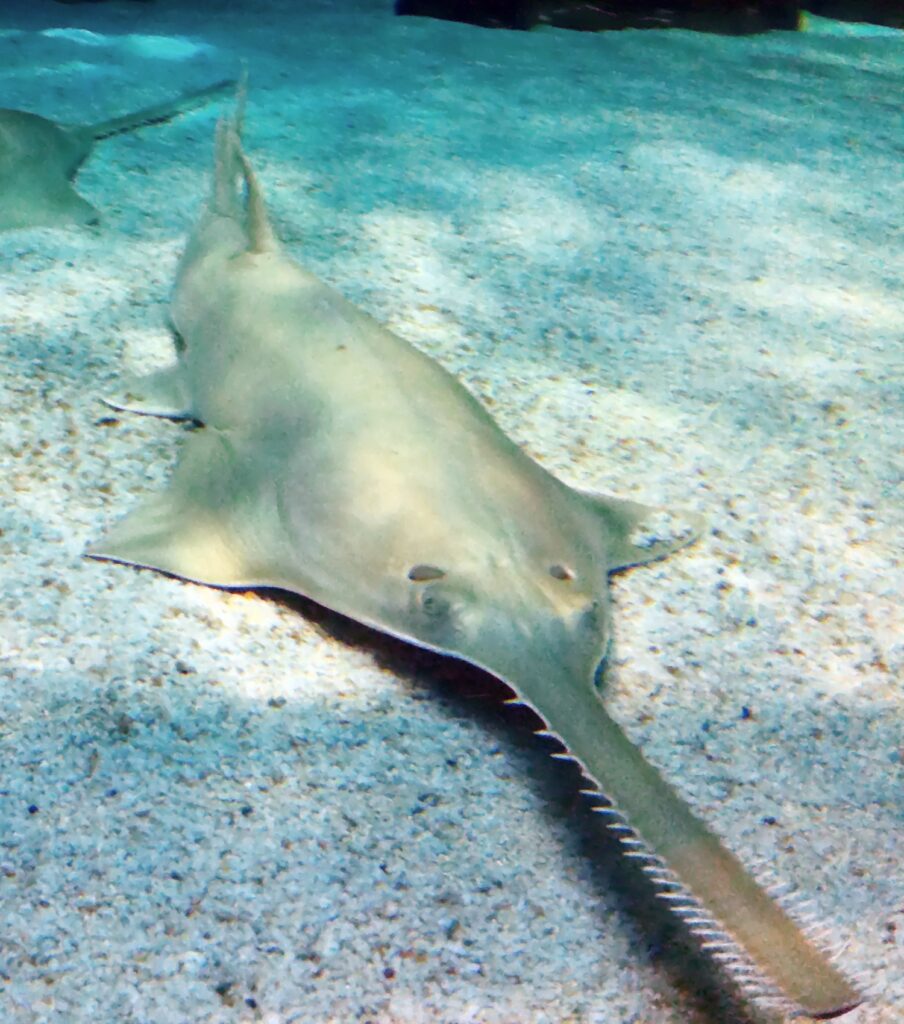
A sawfish’s long, toothed snout is packed with electrical sensors that detect hidden prey, and it uses the saw to slash and pin fish.
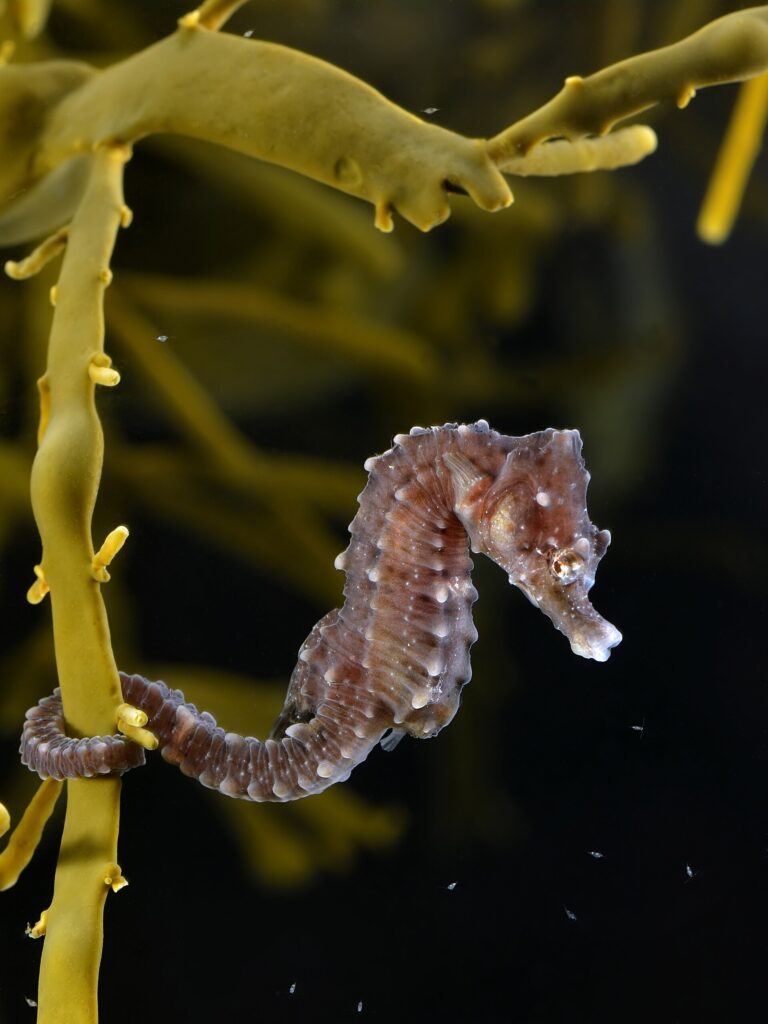
In seahorses, the male becomes pregnant: the female deposits her eggs in his pouch, and he gives birth to live young weeks later.
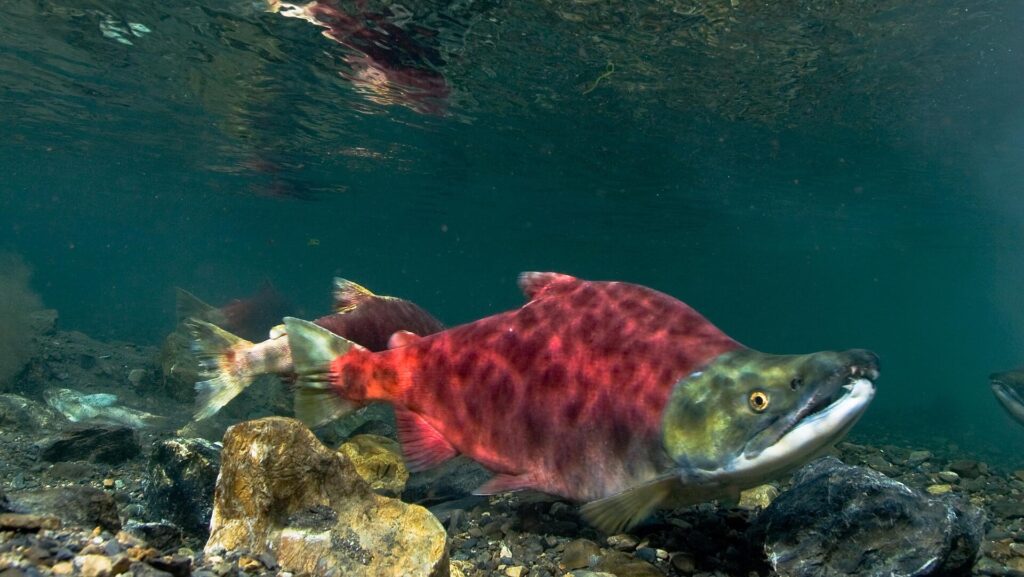
When sockeye salmon return to spawn, they turn brilliant red with green heads, and their bodies later fertilise the forests along the rivers.
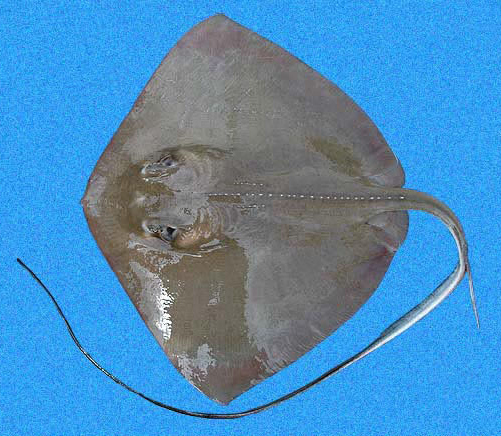
At Stingray City in the Cayman Islands, hundreds of southern stingrays gather in shallow water to be fed by visitors, a tradition that began when fishermen cleaned their catch there.
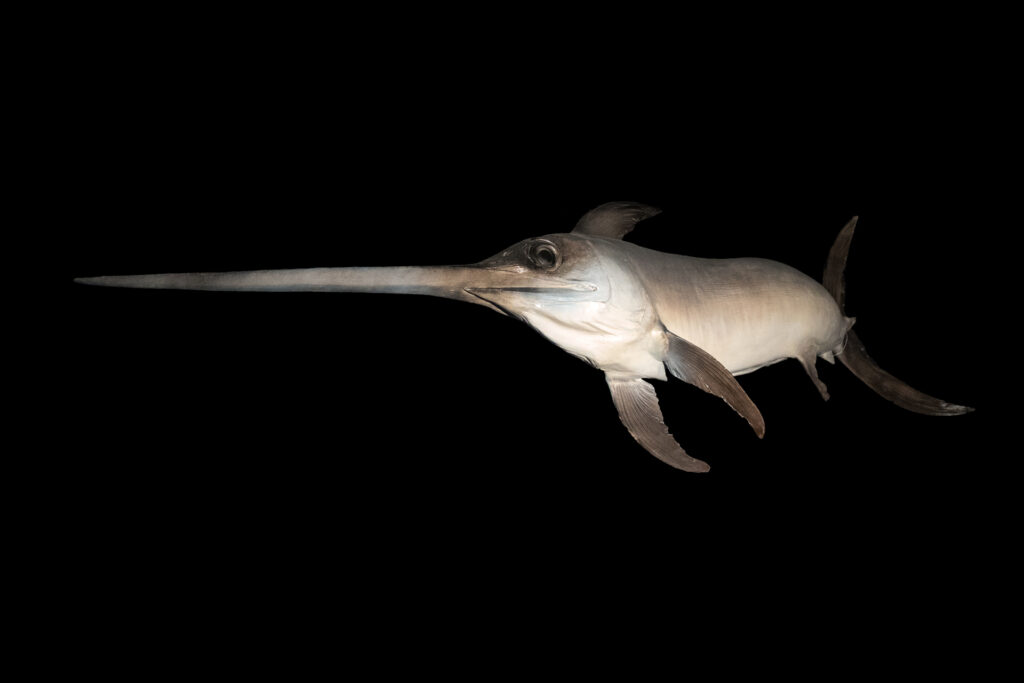
Swordfish have a special heater organ that warms their eyes and brain, helping them see clearly when hunting in cold, deep water.
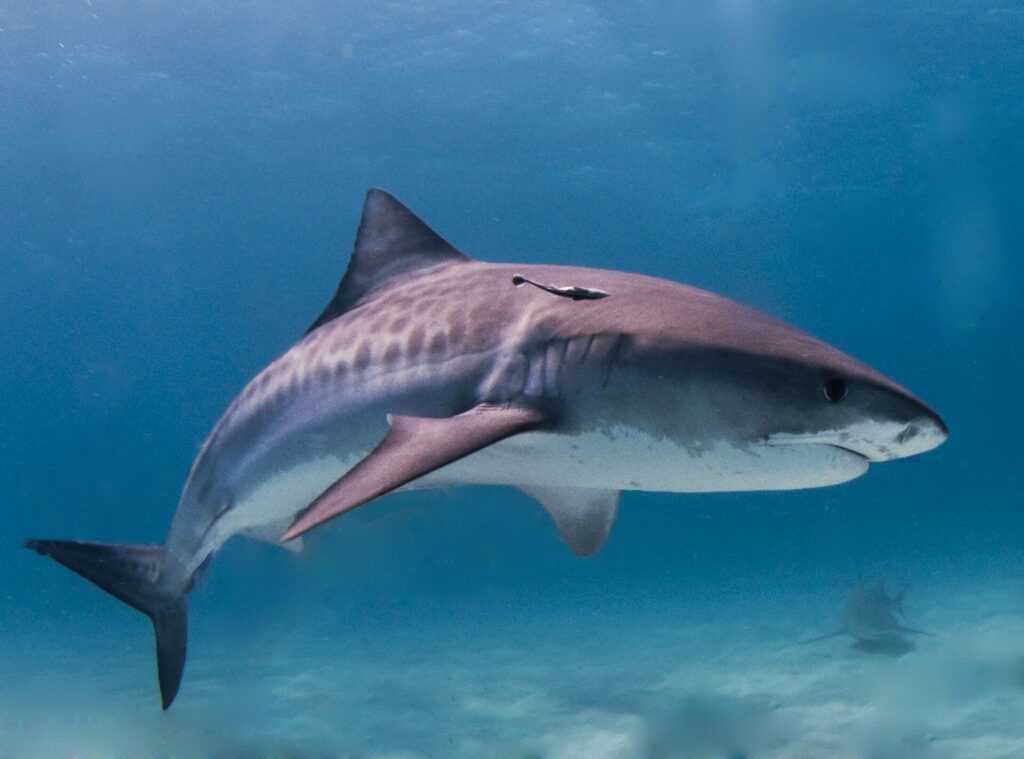
Tiger sharks eat almost anything, and car number plates, tyres and cans have been found in their stomachs, earning them the nickname ‘garbage cans of the sea’.
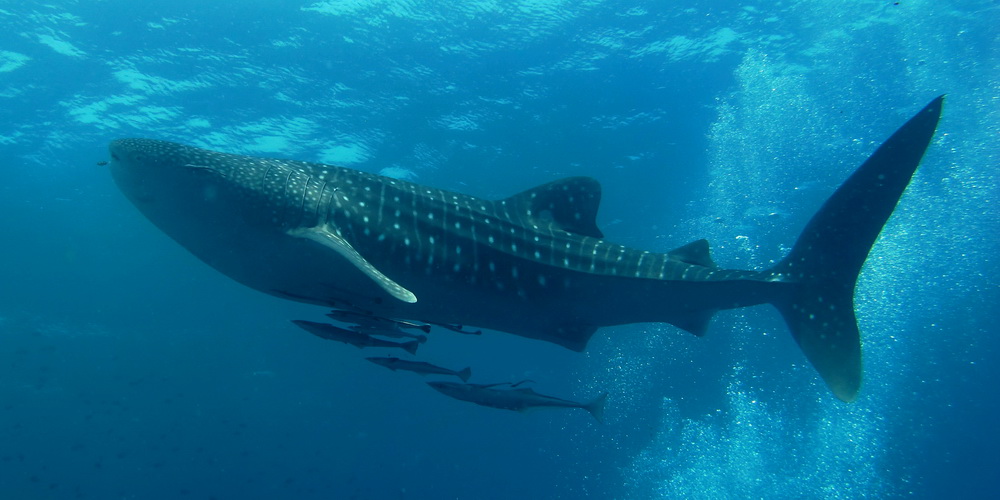
The whale shark is the largest fish in the world, and each one has a unique pattern of white spots that researchers use like a fingerprint.