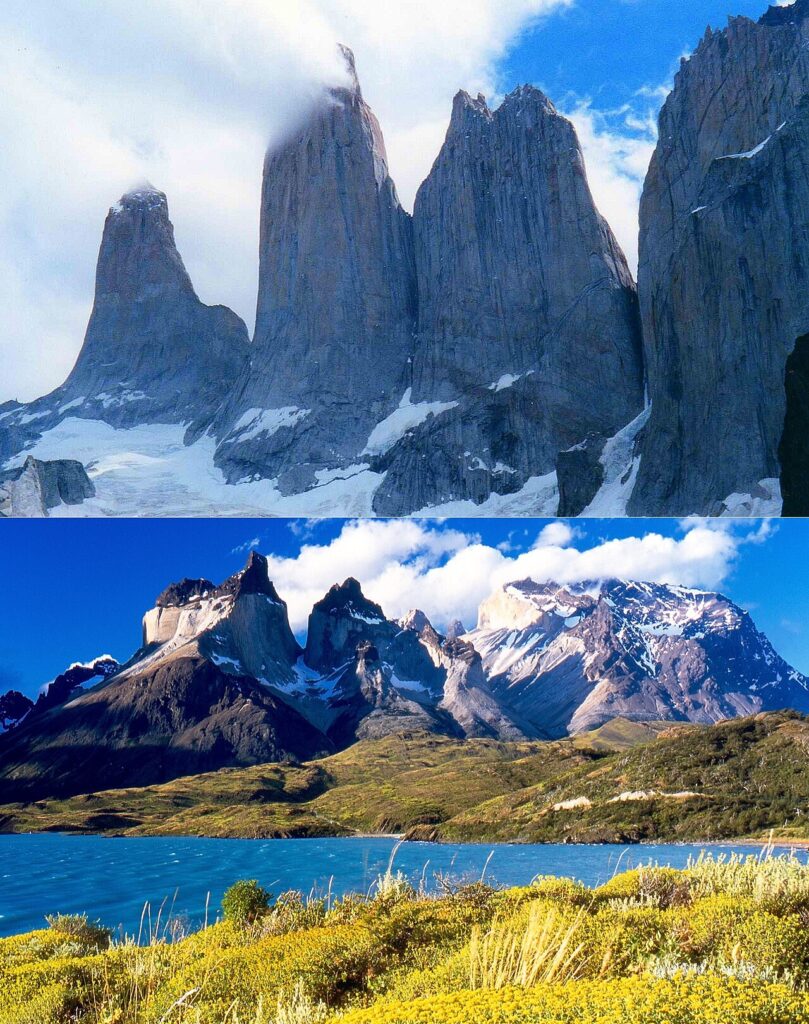
Torres del Paine, in Chilean Patagonia, is famous for its granite towers, glaciers and turquoise lakes. In recent years it has also become the best place in the world to see wild pumas. Protection from hunting has allowed pumas to become more tolerant of people, and expert trackers now find them regularly, often hunting guanacos on the open steppe.
At a glance
| Best time | April to October (autumn and winter) |
| Getting there | Fly to Punta Arenas or Puerto Natales, then drive to the park |
| Time needed | 3 to 5 days of tracking |
| Big draws | Pumas, guanacos, condors, Patagonian landscapes |
| Good for | Photographers, big cat enthusiasts |
How puma tracking works
- Trackers go out before dawn to look for pumas, scanning slopes with binoculars and radios.
- When a puma is located, visitors approach on foot, guided carefully to keep a respectful distance and avoid disturbing the cat.
- Tracking takes place in the national park and, particularly, on private land such as the Laguna Amarga area and neighbouring estancias, where off-trail walking is allowed.
- Days can be long, cold and windy, with lots of walking over uneven ground.
Pumas
Pumas (also called cougars or mountain lions) are the most widespread wild cat in the Americas. In Torres del Paine, they prey mainly on guanacos. Females with cubs are sometimes seen, and some individuals are well known to trackers. See our puma profile.
Other wildlife
- Guanacos: wild relatives of llamas, in large herds. See our guanaco profile.
- Andean condors soaring over the cliffs. See our Andean condor profile.
- Lesser rheas (Darwin’s rhea), Patagonian grey foxes, culpeos and Humboldt’s hog-nosed skunks.
- Huemul: the endangered south Andean deer, occasionally seen in the park.
When to go
- April to October (autumn and winter): the best season for pumas, with lower vegetation, fewer tourists and pumas more active in daylight. Days are short and cold.
- November to March (summer): busier with hikers, windy, but pumas can still be found.
Getting there
Fly to Punta Arenas (from Santiago), then drive about 5 hours to the park, or fly to Puerto Natales (seasonal flights), about 1.5 to 2 hours away.
Ethics
Puma tracking has grown quickly. Choose operators who follow a code of conduct: small groups, keeping distance, not surrounding pumas, not using baits and limiting time with each cat.
What to pack
Windproof and waterproof layers, warm hat and gloves, sturdy hiking boots, binoculars and a telephoto lens.
Frequently asked questions
How likely am I to see a puma? With three or more days of tracking in the best season, sightings are very likely.
Is puma tracking safe? Yes, with experienced trackers. Pumas rarely attack people, and guides keep a safe distance.
Can I do puma tracking and hiking in the same trip? Yes. Many visitors combine a few days of tracking with the famous W trek.
What is the best month for pumas? Many trackers recommend May to August, in the southern winter.