The polar bear evolved from brown bears a few hundred thousand years ago and is perfectly adapted to life on the frozen Arctic Ocean. It is the most recognisable symbol of the effects of climate change, because warming is shrinking the sea ice it needs to hunt.
Interesting facts
- The polar bear is the largest land carnivore, alongside the Kodiak brown bear.
- It is classed as a marine mammal because it depends on the sea ice.
- Polar bears can smell a seal breathing hole from about 1 km away.
- They have swum more than 600 km at a time as sea ice has retreated.
- Pregnant females dig snow dens and give birth in the middle of the Arctic winter.
- There are about 26,000 polar bears worldwide in 19 subpopulations.
Behaviour
Polar bears are mostly solitary. They hunt seals by waiting beside breathing holes in the ice or stalking seals resting on the surface. In summer, when ice melts in places such as Hudson Bay, they come ashore and live mainly off fat reserves until the sea freezes again.
Breeding and young
Females give birth to 1 to 3 tiny cubs, each about 600 g, in a snow den around December or January. The family emerges in March or April, and cubs stay with their mother for about two and a half years.
Threats and conservation
Loss of sea ice due to climate change is the main threat. Others include pollution, oil and gas development, and conflict with people as hungry bears spend more time on land.
Where to see it
- Churchill, Manitoba, Canada (October–November)
- Svalbard, Norway
- Kaktovik, Alaska
- Wrangel Island, Russia
Status source: IUCN Red List. Profile last reviewed September 2026.
Where to see the polar bear
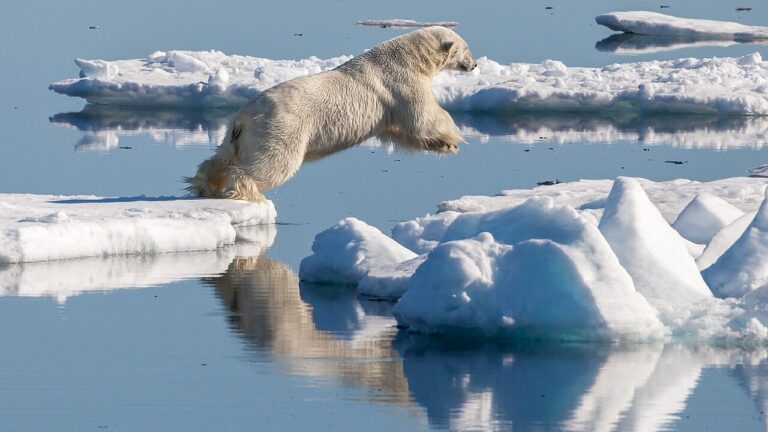 Churchill Polar Bears Guide: Seeing Polar Bears in ManitobaEvery autumn, polar bears gather near Churchill waiting for Hudson Bay to freeze. How to see them safely,…
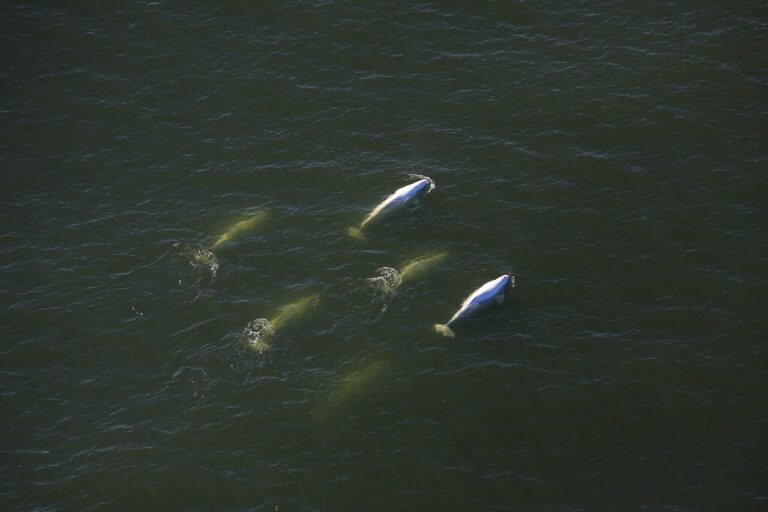 Beluga Whales in Churchill: Summer GuideEvery summer, thousands of beluga whales gather in the Churchill River estuary. Kayak or snorkel among them.
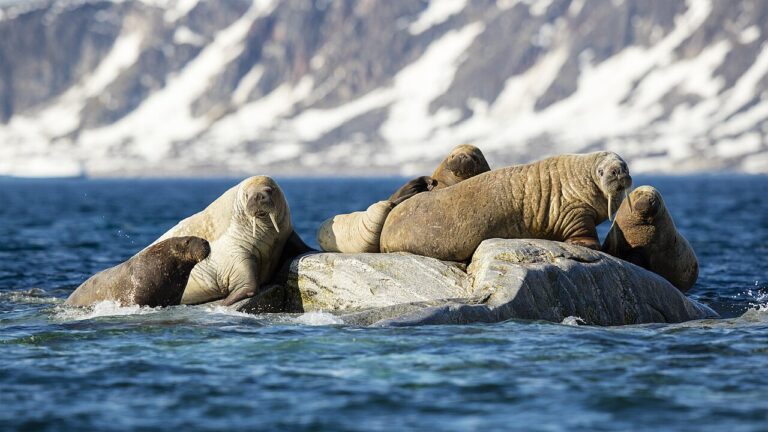 Svalbard Polar Bear ExpeditionsSvalbard is Europe's best place to see polar bears in the wild. How expedition cruises work and when…