The tiger is a solitary, powerful ambush hunter that once ranged from eastern Turkey to the Russian Far East and Bali. Three subspecies have gone extinct in the last century (Bali, Javan and Caspian tigers). Most remaining wild tigers belong to the Bengal and Amur populations, with India holding roughly three-quarters of the world’s wild tigers.
Interesting facts
- The tiger is the largest cat in the world.
- Unlike most cats, tigers are strong swimmers and often cool off in water.
- A tiger can eat more than 30 kg of meat in a single meal.
- Only about one in ten to twenty hunts is successful.
- The white spots on the backs of tigers’ ears may help cubs follow their mother or signal to other tigers.
- Wild tiger numbers have risen from about 3,200 in 2010 to about 5,500, mainly thanks to recovery in India and Nepal.
Behaviour
Tigers live alone and mark large territories with scent, scrapes and scratches on trees. A male’s territory usually overlaps those of several females. Tigers stalk prey using cover, then rush the last few metres and kill with a bite to the throat or the back of the neck.
Breeding and young
After a gestation of about 100 to 110 days, females give birth to 2 to 4 cubs in a hidden den. Cubs stay with their mother for about two years, learning to hunt before dispersing to find their own territories.
Threats and conservation
Poaching for skins and body parts used in traditional medicine, loss and fragmentation of forests, depletion of prey, and conflict with people living near tiger habitat.
Where to see it
- Bandhavgarh, Kanha, Tadoba and Ranthambore, India
- Chitwan and Bardiya, Nepal
- Kaziranga, India
- Sundarbans, India and Bangladesh
Status source: IUCN Red List. Profile last reviewed September 2026.
Where to see the tiger
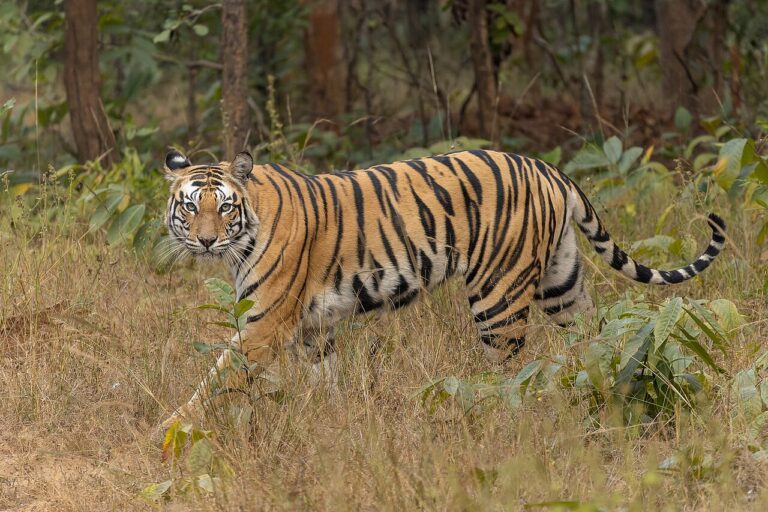 Best Places to See Tigers in IndiaIndia holds about three-quarters of the world's wild tigers. Here are the reserves that give you the best…
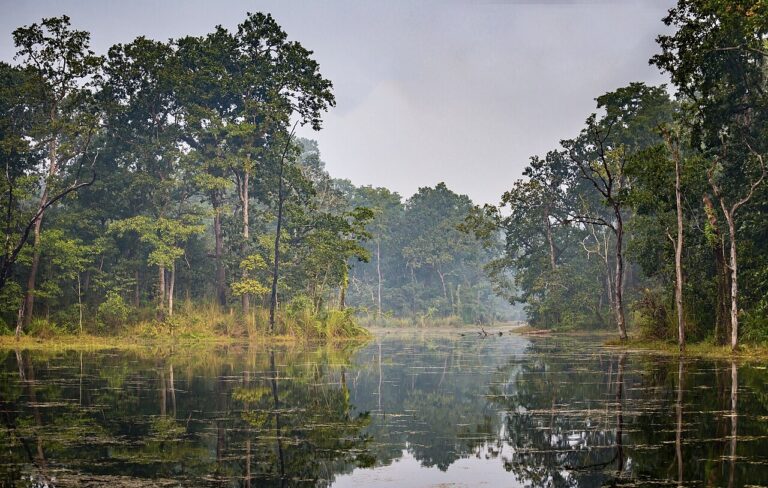 Chitwan National Park Safari GuideNepal's first national park is one of the best places in Asia to see greater one-horned rhinos, and…
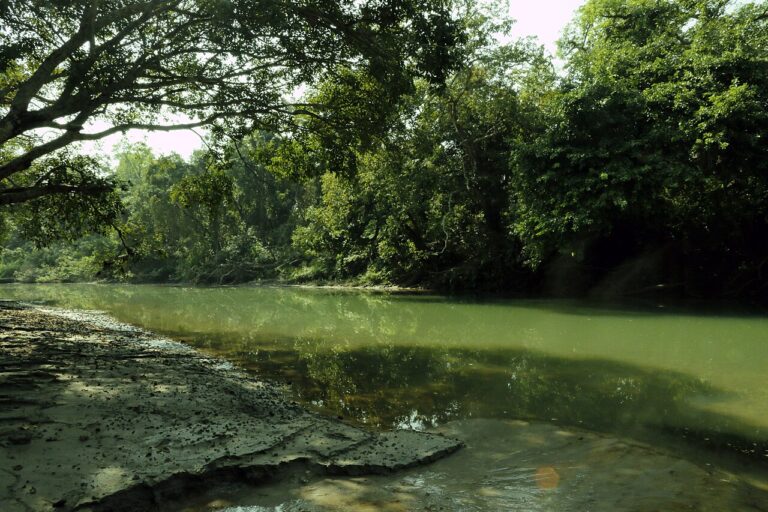 Bardiya National Park: Nepal’s Wild West Tiger CountryRemote, quiet and wild, Bardiya has the most tigers of any park in Nepal. How to plan a…