Japan in winter is one of the world’s great wildlife trips. In the mountains of Nagano, Japanese macaques soak in steaming hot springs surrounded by snow. On the northern island of Hokkaido, red-crowned cranes dance on snowy fields, Steller’s sea eagles gather on floating sea ice and whooper swans crowd volcanic lakes.
At a glance
| Best time | January to early March |
| Getting there | Fly into Tokyo; trains to Nagano; flights to Kushiro or Memanbetsu in Hokkaido |
| Time needed | 8 to 12 days |
| Big draws | Snow monkeys, red-crowned cranes, Steller’s sea eagles, whooper swans, owls |
| Good for | Photographers, birders, winter travellers |
Snow monkeys at Jigokudani
- Japanese macaques live farther north than any other non-human primate. At Jigokudani Monkey Park in Nagano Prefecture, a troop habitually bathes in a hot spring pool in winter. See our Japanese macaque profile.
- The park is reached by a walk of about 30 minutes through the forest from the nearest road.
- Monkeys are wild but habituated. Keep your distance, don’t touch or feed them, and never look them in the eye for long.
- January and February are best for snow and bathing monkeys.
Red-crowned cranes
- Around the Kushiro wetlands of eastern Hokkaido, red-crowned cranes gather at winter feeding sites such as Tsurui-Ito Tancho Crane Sanctuary and Akan International Crane Centre. See our red-crowned crane profile.
- Pairs perform elaborate courtship dances, leaping and bowing in the snow.
- The Hokkaido population was reduced to about 20 birds in the early 20th century and has recovered to well over 1,000 thanks to winter feeding and protection.
- At dawn, cranes roost in the steaming Setsuri River, seen from the Otowa Bridge.
Steller’s sea eagles and drift ice
- In February and early March, drift ice arrives off the Shiretoko Peninsula. From the fishing town of Rausu, boat trips take visitors among the ice, where Steller’s sea eagles and white-tailed eagles gather. Steller’s sea eagles are among the heaviest eagles in the world, with massive orange bills.
- Drift ice depends on the weather, and its extent has decreased in recent decades.
Other winter wildlife
- Whooper swans at Lake Kussharo, where hot springs keep the water from freezing.
- Blakiston’s fish owl: the world’s largest owl, seen at a few lodges that feed them at night in streams.
- Sika deer and red foxes throughout Hokkaido. See our red fox profile.
- Ural owls, Hokkaido red squirrels and Japanese martens in the forests.
Sample itinerary
| Days | Plan |
|---|---|
| 1–2 | Tokyo; train to Nagano; Jigokudani snow monkeys |
| 3 | Fly to Kushiro (Hokkaido) |
| 4–5 | Red-crowned cranes at Tsurui and Akan; Otowa Bridge at dawn |
| 6 | Lake Kussharo for whooper swans |
| 7–9 | Rausu: drift ice boat trips for eagles; Blakiston’s fish owl lodge |
| 10 | Fly back to Tokyo |
Tips
- Bring proper winter clothing: temperatures can drop below -20°C.
- Hire a car in Hokkaido (with winter tyres) or join a specialist tour.
- Protect camera batteries from the cold.
- Book Rausu boat trips and fish owl lodges well in advance.
Frequently asked questions
When is the best time to see snow monkeys? January and February, when there is snow and the monkeys bathe most often.
Can I see red-crowned cranes all year? They live in Hokkaido year-round, but they gather at feeding sites and perform dances mainly in winter.
Is drift ice guaranteed at Rausu? No. It depends on wind and temperature; February is usually the best month.
Do I need to speak Japanese? No, but a guide or tour helps with logistics in rural Hokkaido.
Related guides
- Where to see giant pandas in China
- Kamchatka brown bears at Kurile Lake
- Crane migration at Hortobágy
- Animal profiles: Japanese macaque, Red-crowned crane, Red fox
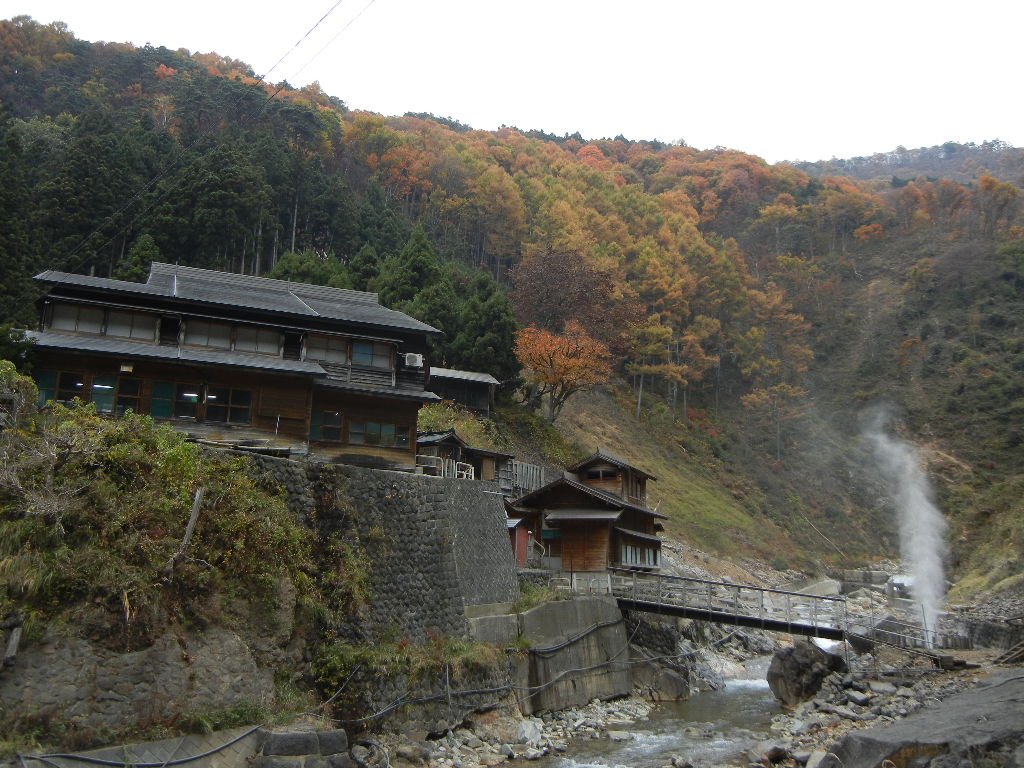
Cover photo: NY066, CC BY-SA 3.0, via Wikimedia Commons