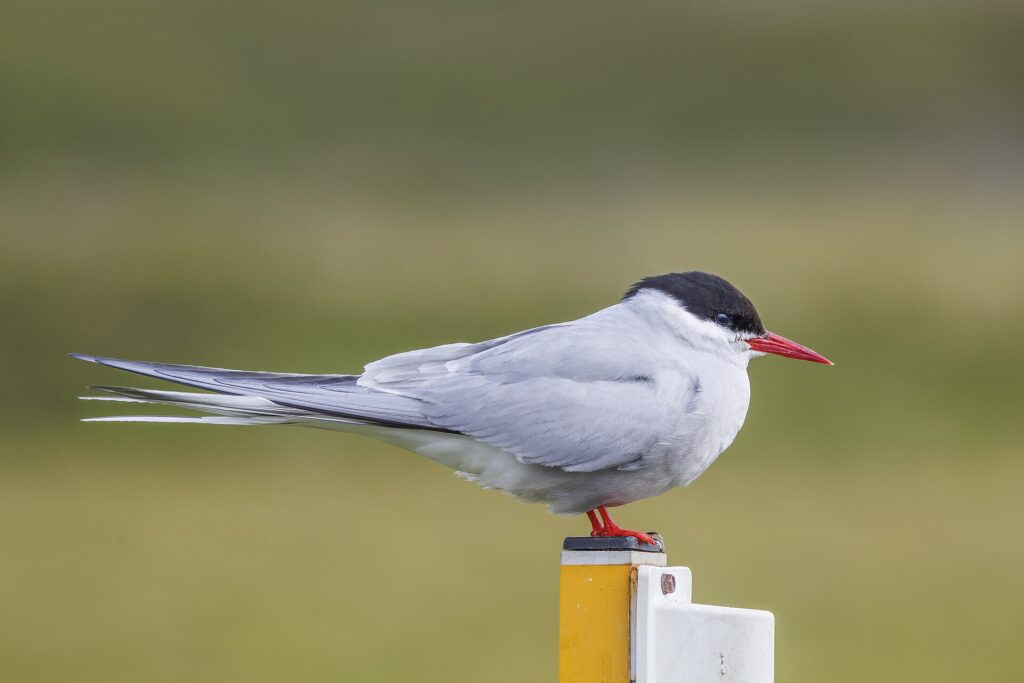
Arctic Tern
Arctic terns make the longest known migration of any animal; tracked birds have flown around 70,000–90,000 km in a year, following winding routes between the Arctic and Antarctic.
Arctic terns make the longest known migration of any animal; tracked birds have flown around 70,000–90,000 km in a year, following winding routes between the Arctic and Antarctic.
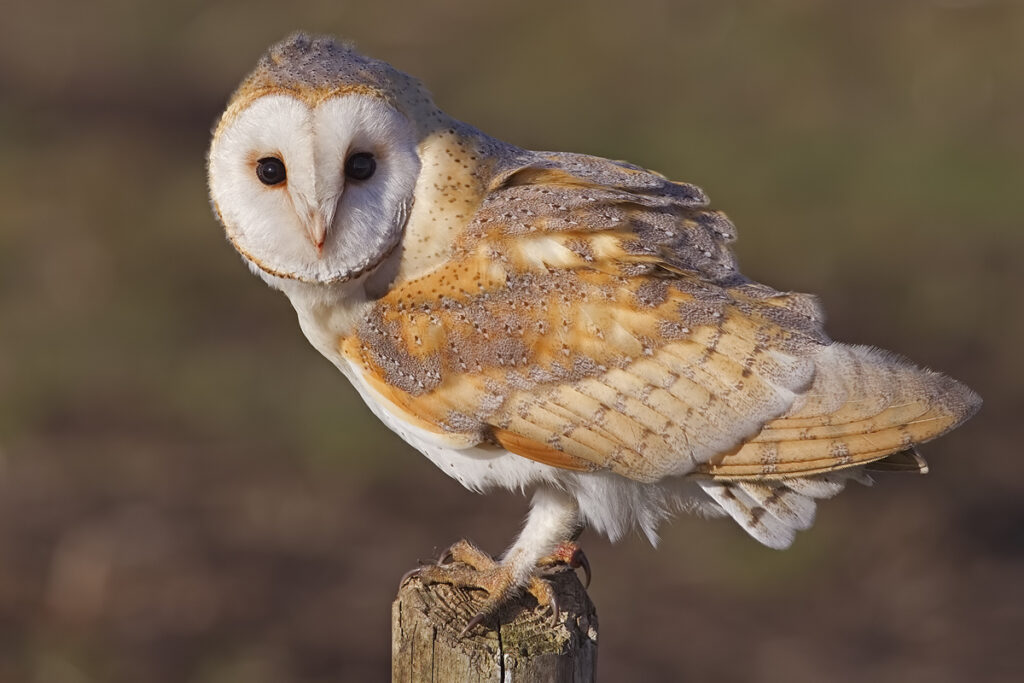
A barn owl can catch prey in complete darkness using hearing alone, thanks to ears set at different heights on its head.
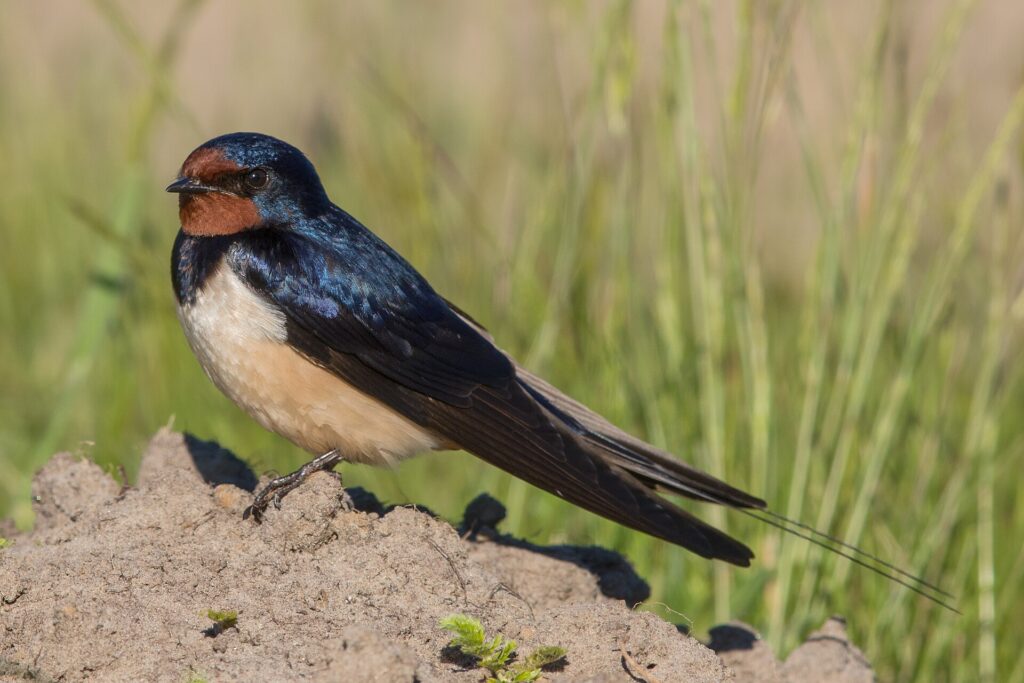
Barn swallows breeding in Britain spend the winter in South Africa, flying about 10,000 km each way.
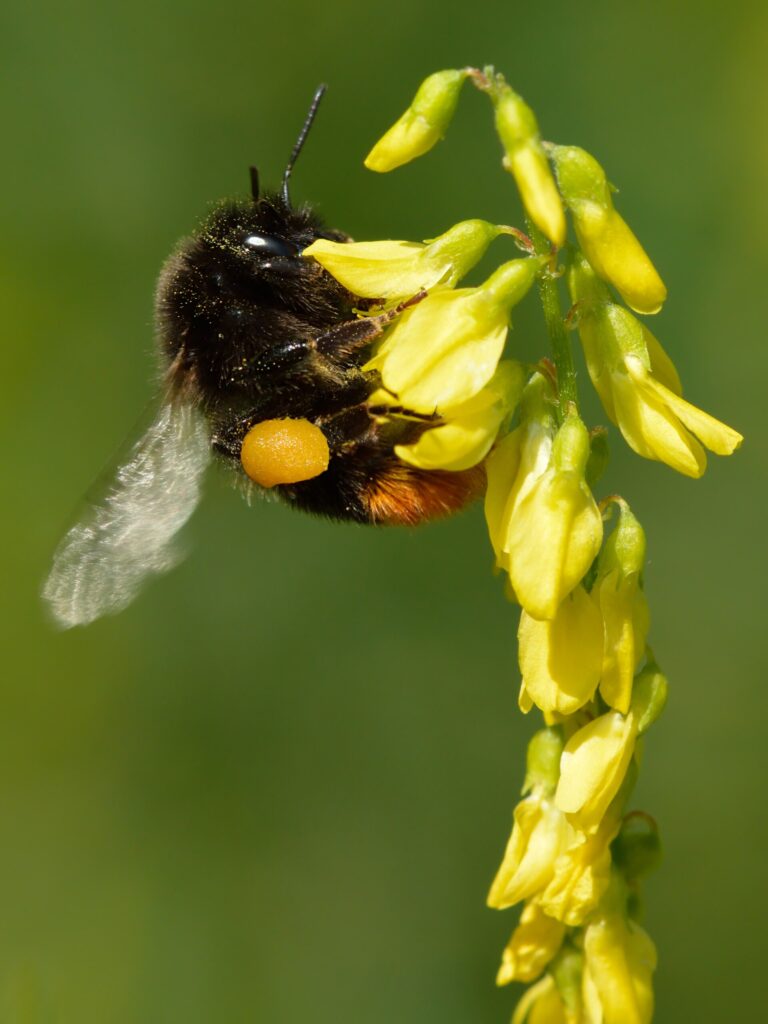
Bumblebees can ‘buzz pollinate’, vibrating their flight muscles to shake pollen out of flowers such as tomatoes and blueberries.
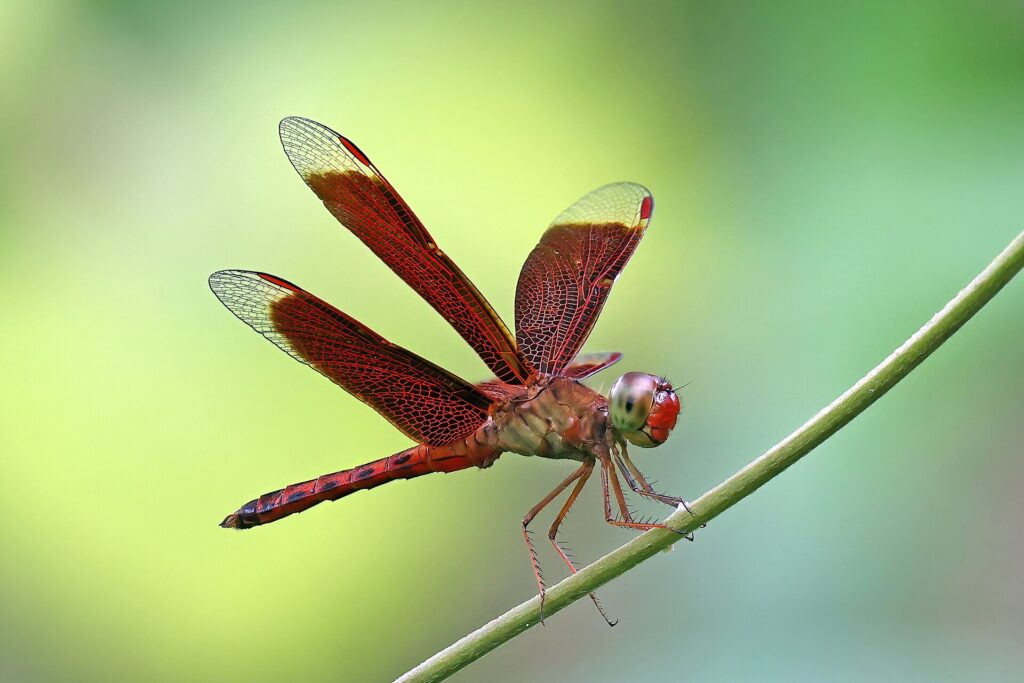
Dragonflies are among the most successful hunters on Earth, catching their prey in flight in up to about 95 percent of attempts.
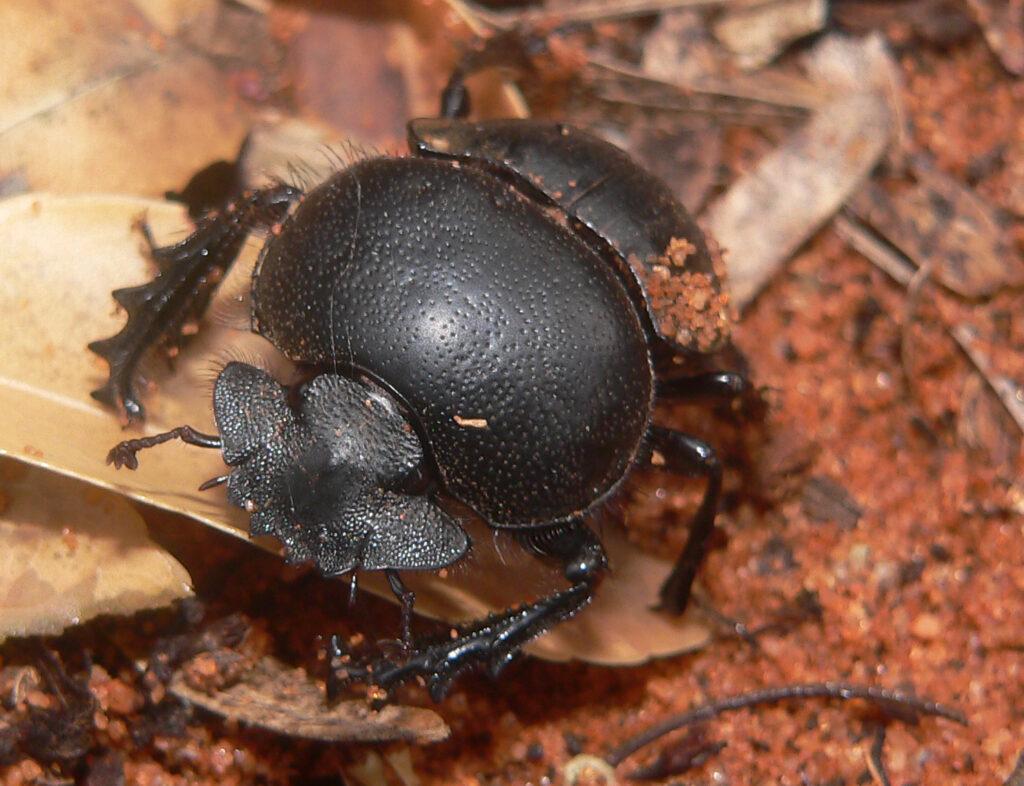
Some African dung beetles use the Milky Way to navigate at night, the first animals known to orient by our galaxy.
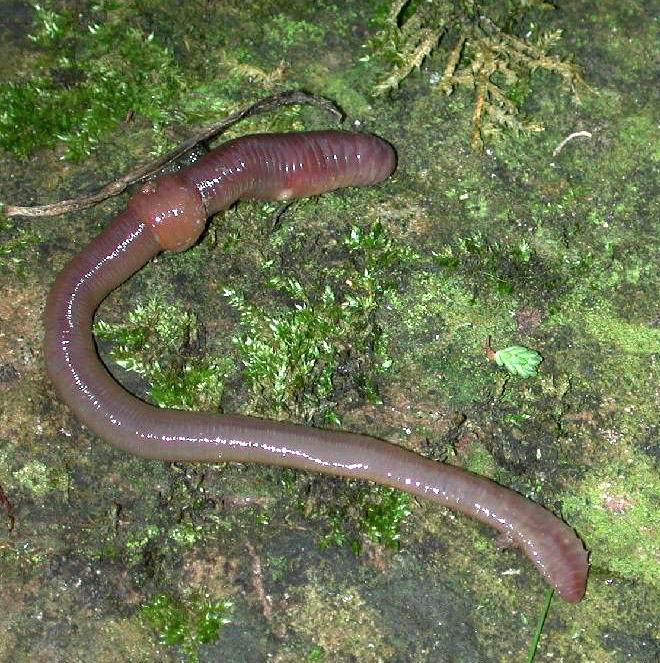
Charles Darwin’s last book was about earthworms, and he estimated they bring many tonnes of soil to the surface on every acre of land each year.
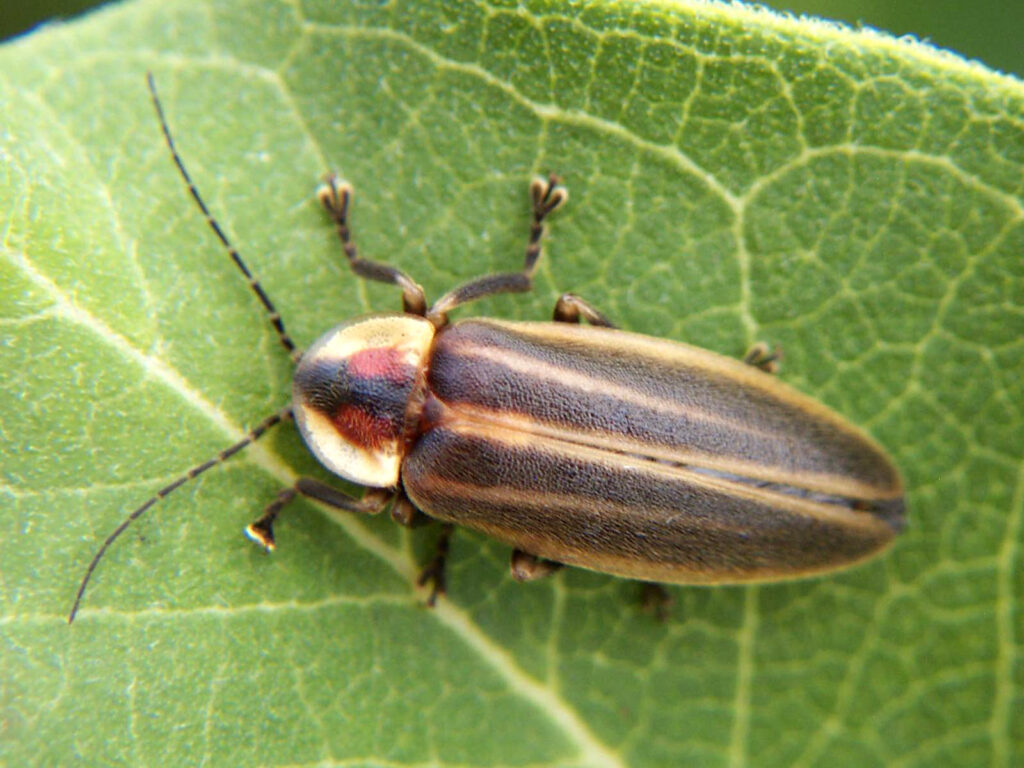
In the Great Smoky Mountains, thousands of fireflies of one species flash in unison for a few weeks each summer, so popular that viewing is managed by a lottery.
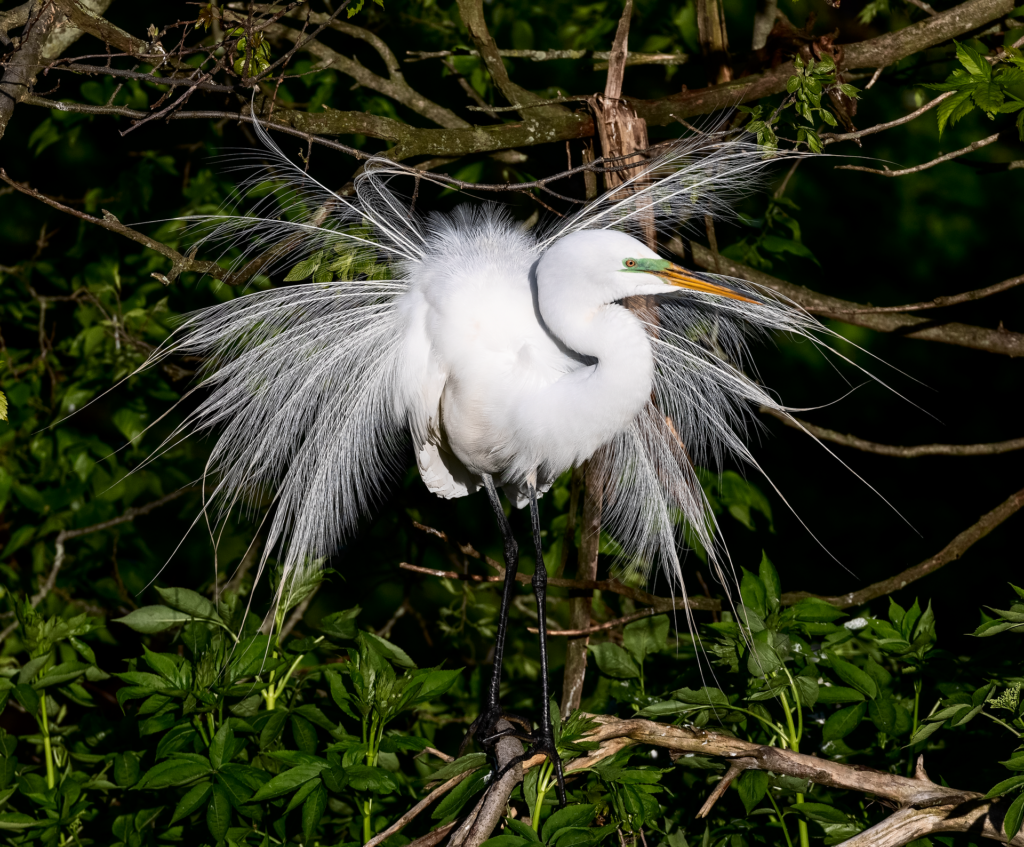
In the late 1800s, great egrets were hunted almost to extinction for their breeding plumes, and outrage over the trade helped launch the modern bird conservation movement.
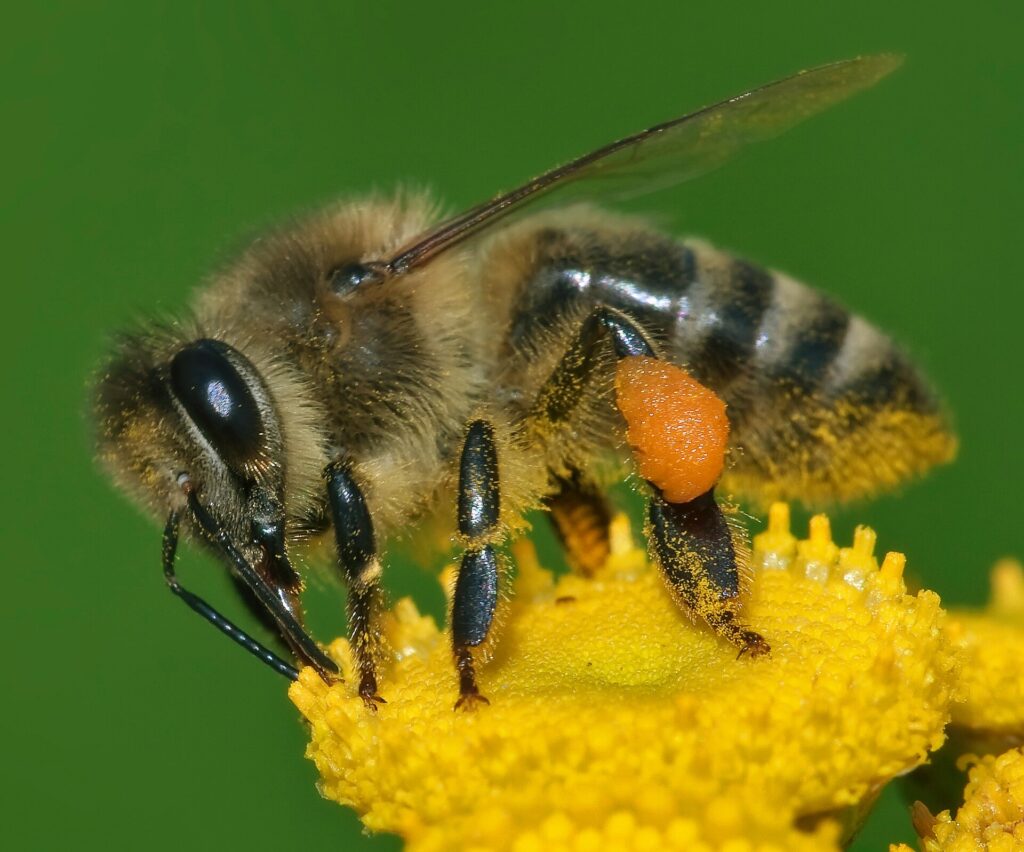
A honey bee tells its nest-mates where to find flowers by performing a ‘waggle dance’ that encodes the direction and distance of the food.

House sparrows have lived alongside people for about 10,000 years, since the beginning of farming, and are now among the most widespread birds on Earth.
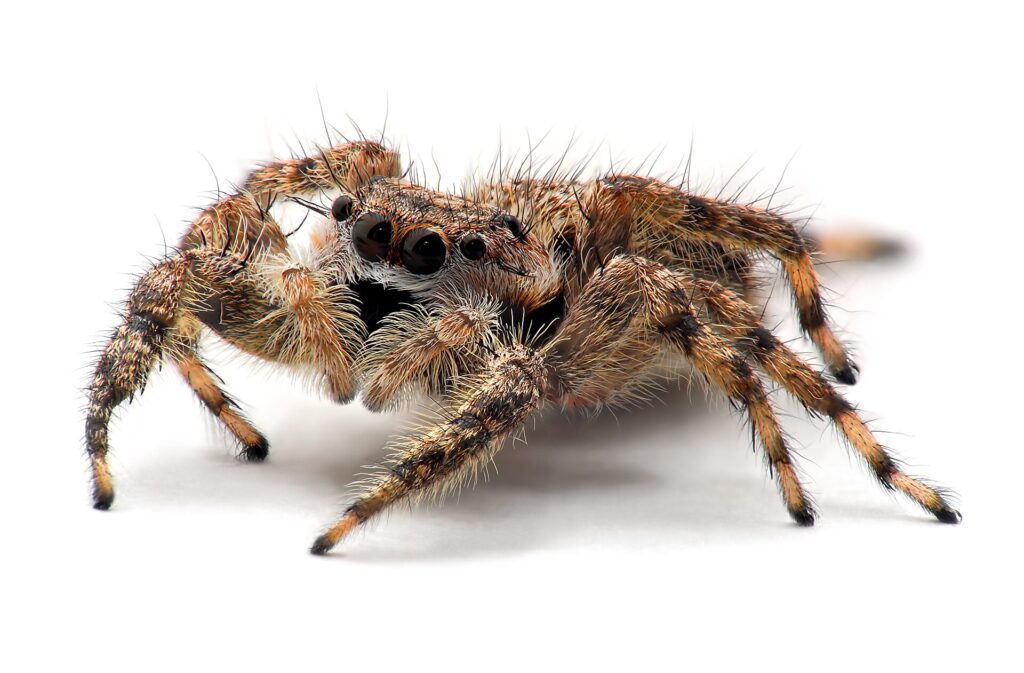
Jumping spiders have some of the sharpest eyesight of any animal their size, and some species plan detours to reach prey they cannot see directly.
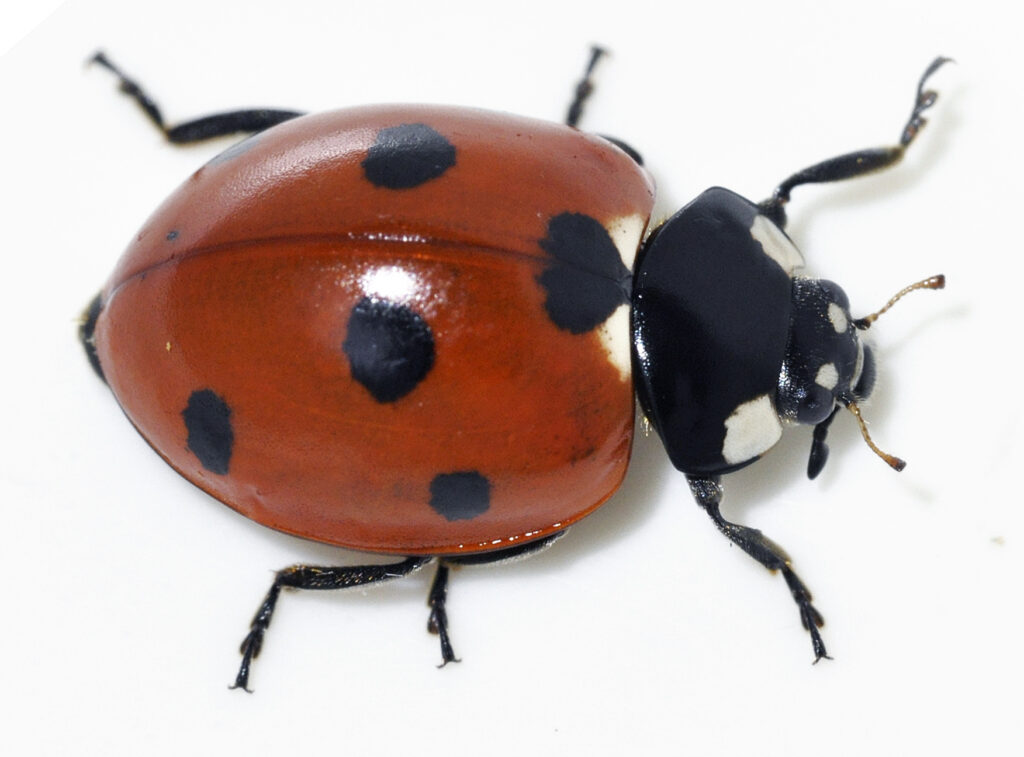
A single ladybird can eat several thousand aphids in its lifetime, making it a gardener’s best friend.
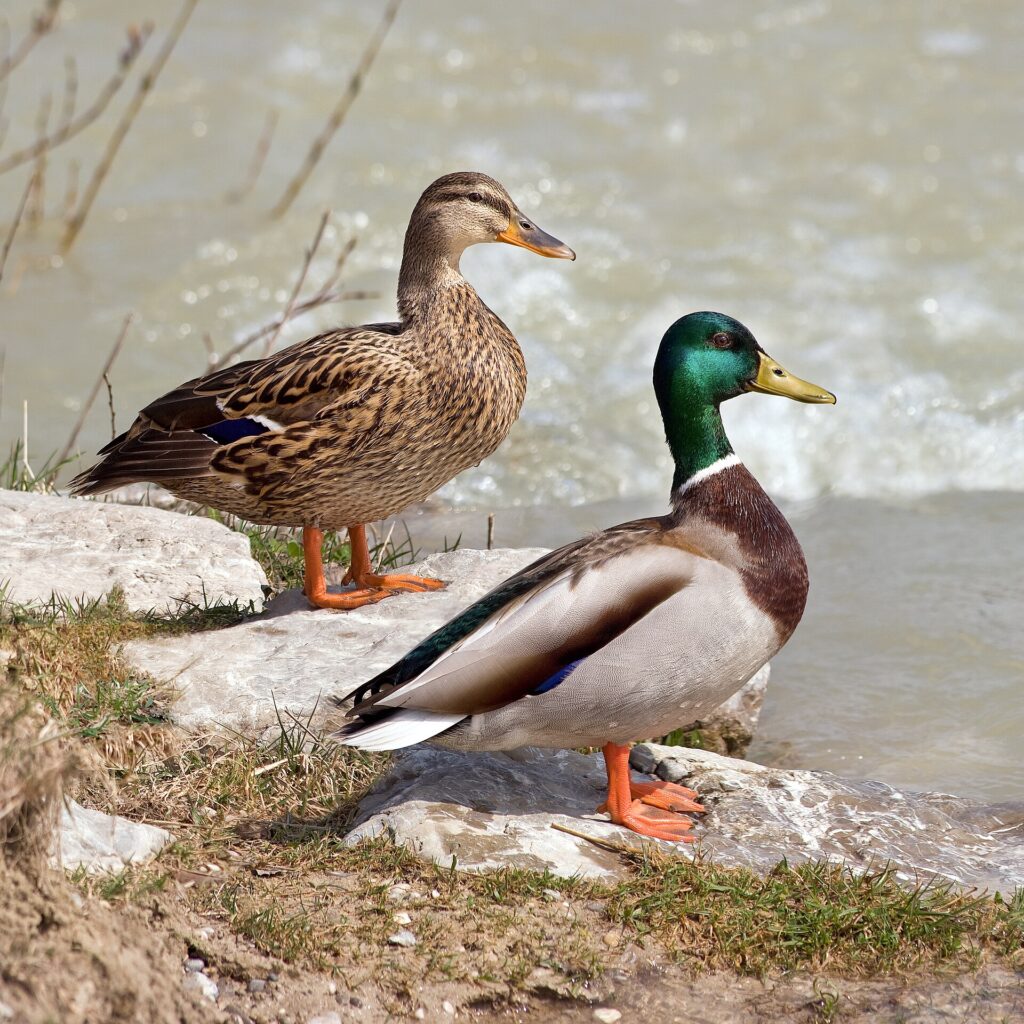
Mallards can sleep with one eye open and half of their brain awake, and ducks at the edge of a group do this more often to watch for predators.
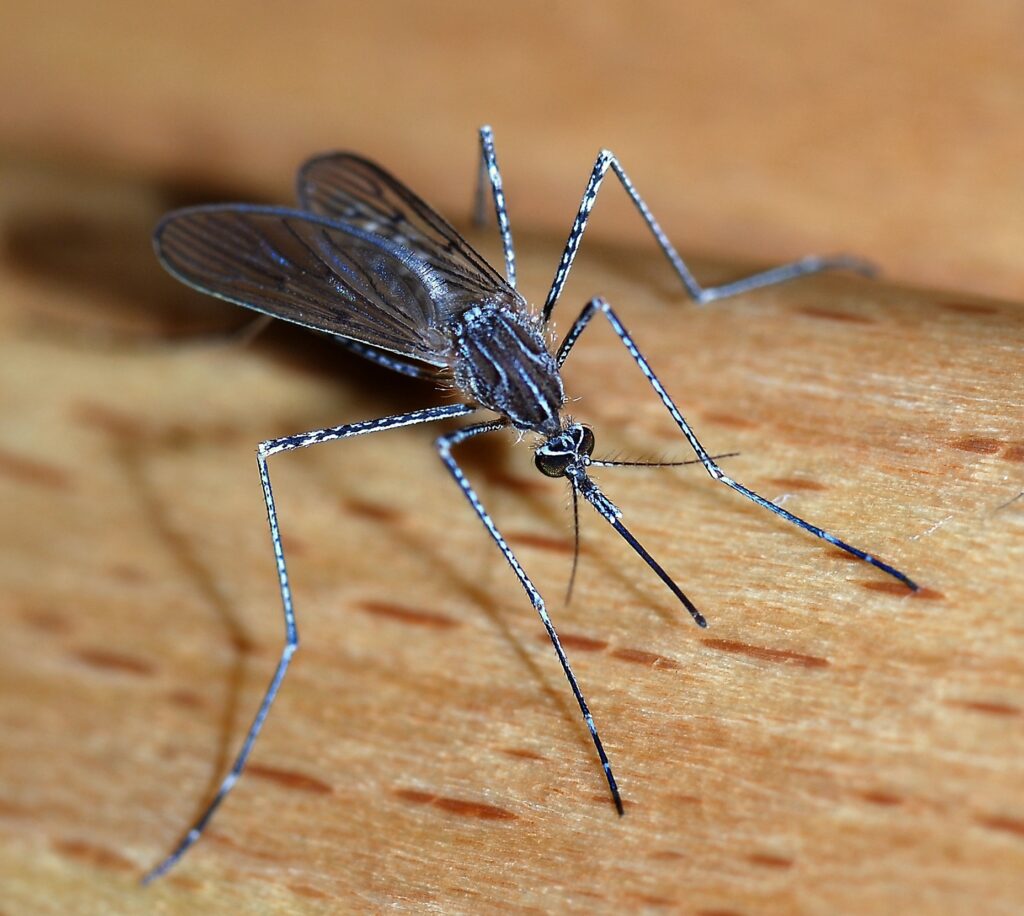
Mosquitoes are the deadliest animals to humans, because they spread diseases such as malaria, which kills around 600,000 people a year.
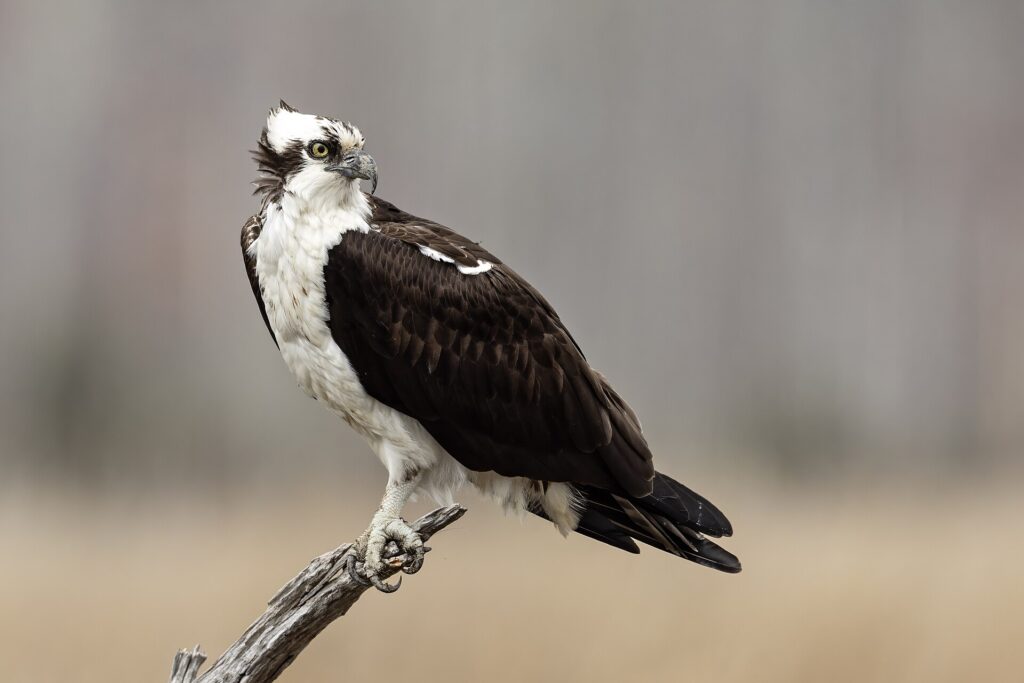
The osprey is the only raptor that plunges feet-first into water to catch fish, sometimes disappearing completely below the surface.
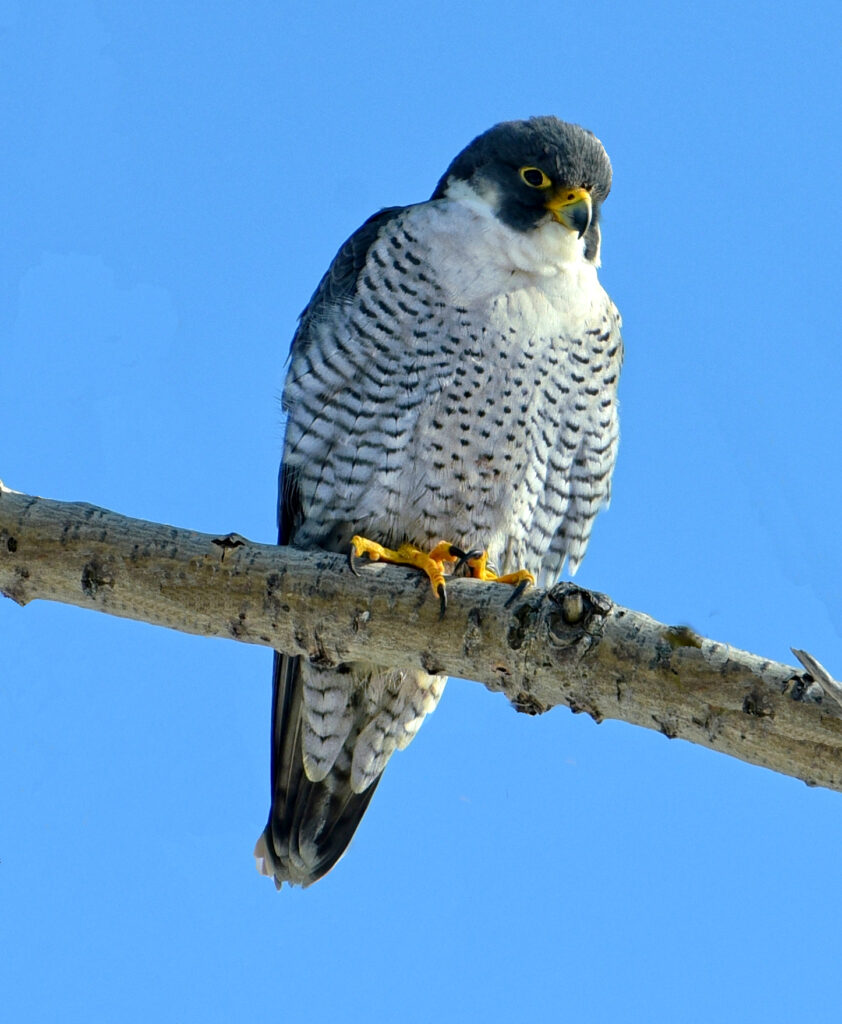
In a hunting dive, the peregrine falcon is the fastest animal on Earth, with speeds recorded above 300 km/h.
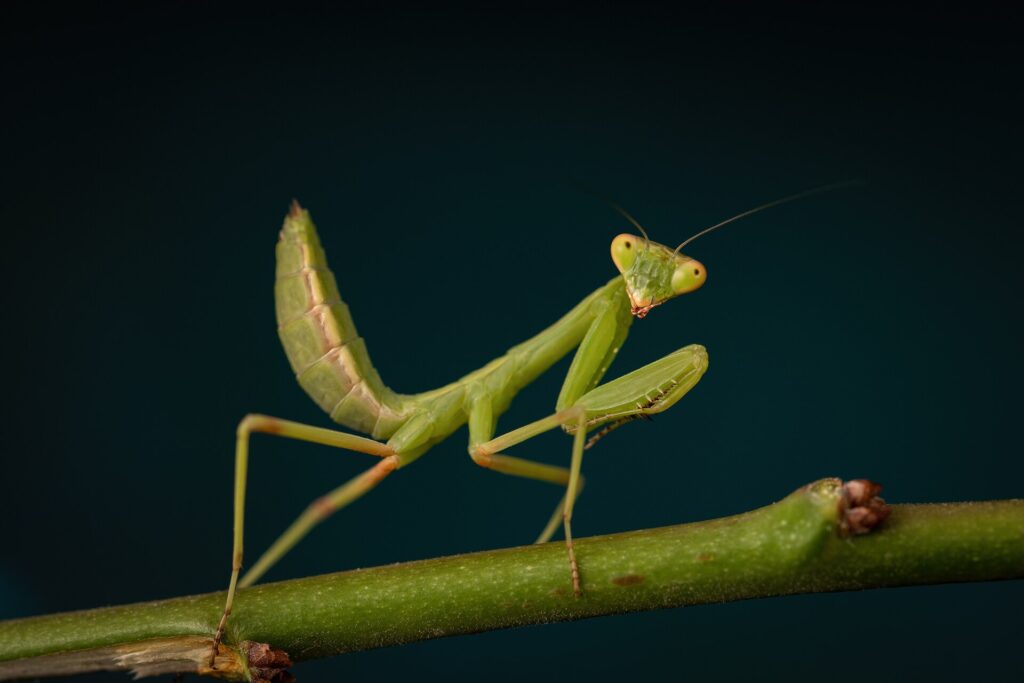
Praying mantises are the only insects proven to have 3D vision: scientists tested this by fitting them with tiny 3D glasses.
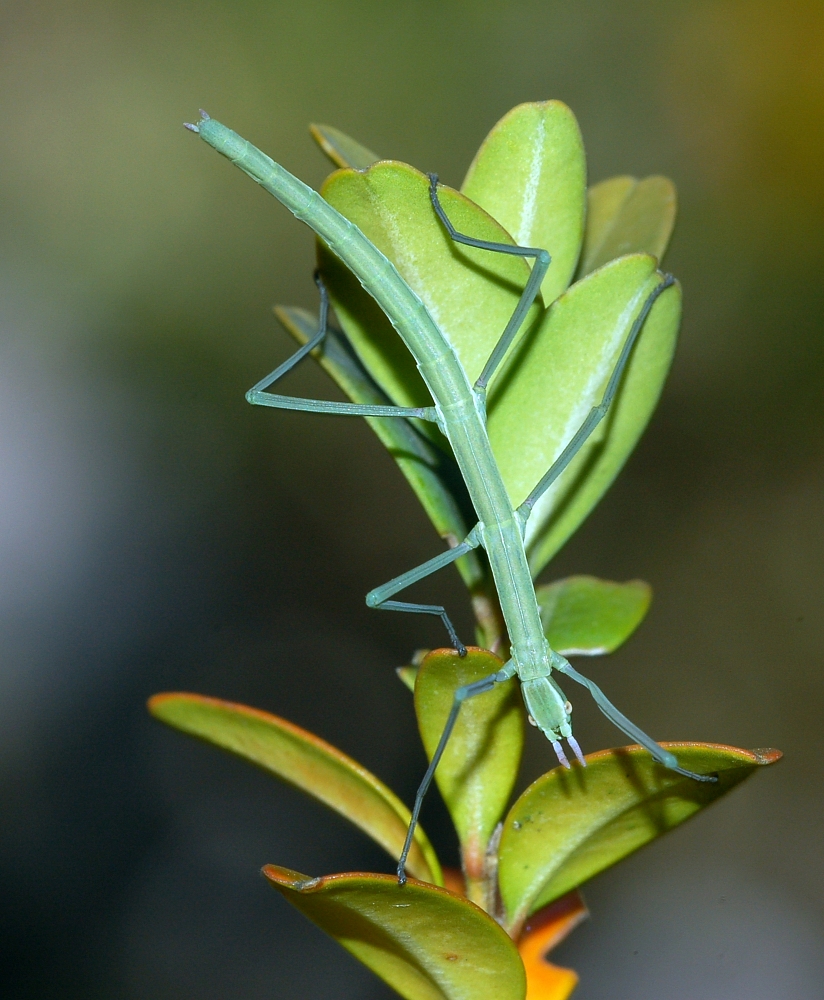
The longest insect ever recorded is a Chinese stick insect about 62 cm long, including its outstretched legs.
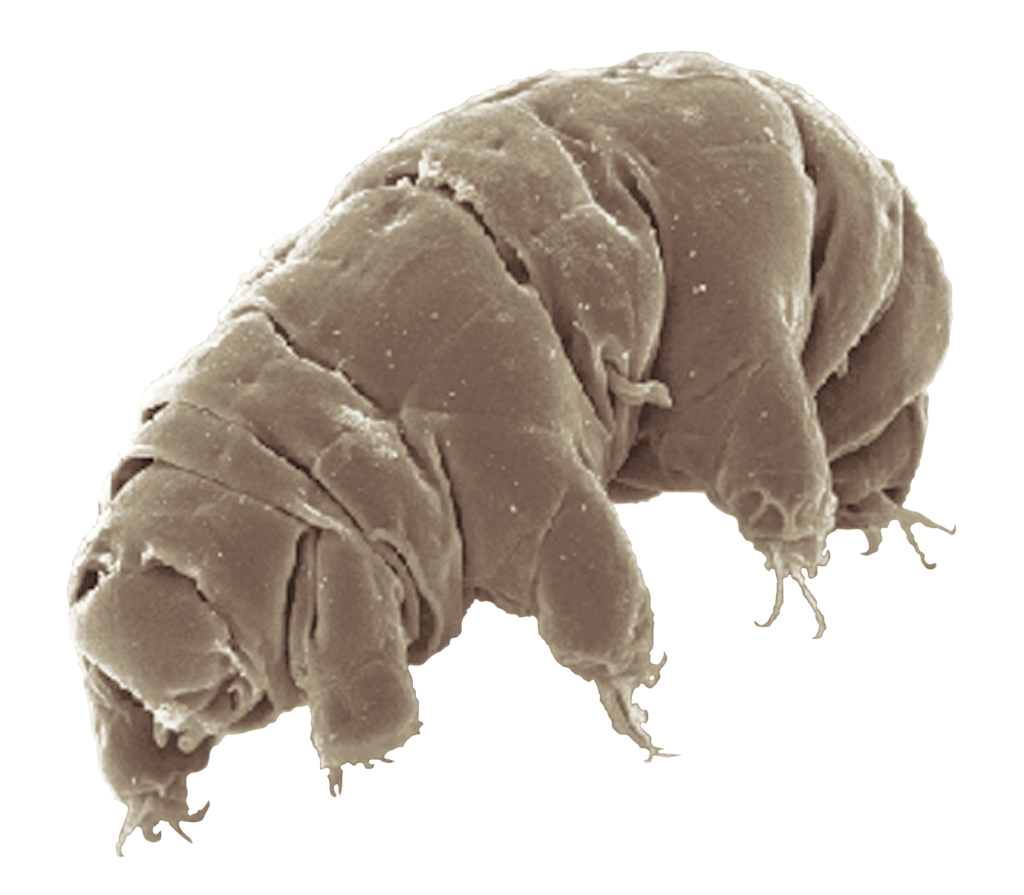
When dried out, tardigrades enter a state called a tun and can survive extreme cold, heat, radiation and even the vacuum of space.
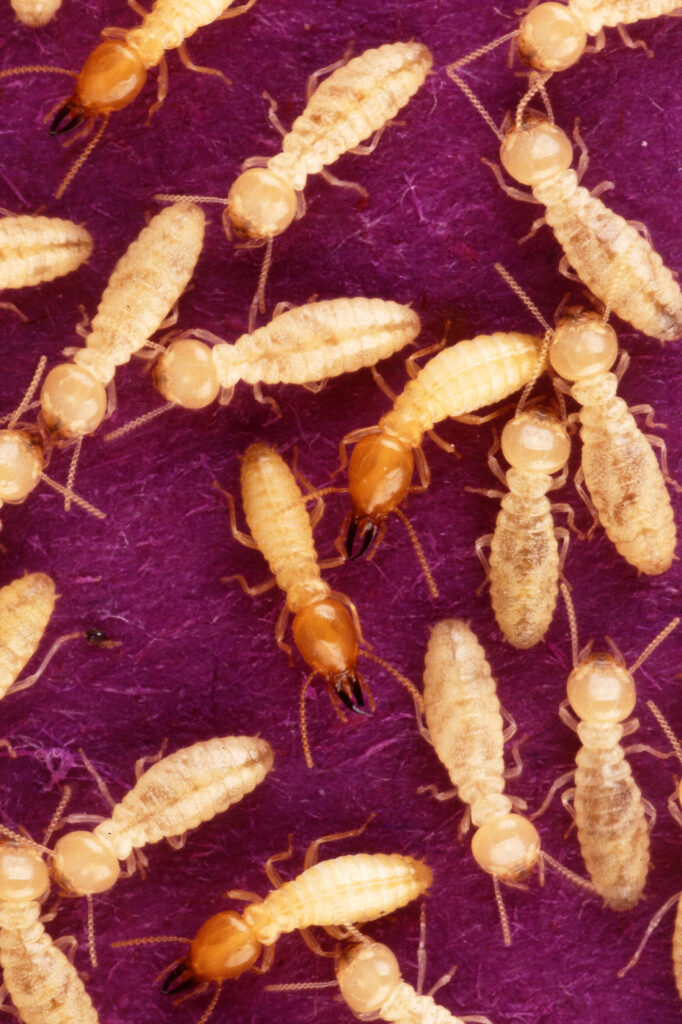
Some termite mounds are so well ventilated that engineers copied their design to cool a building in Zimbabwe without conventional air conditioning.