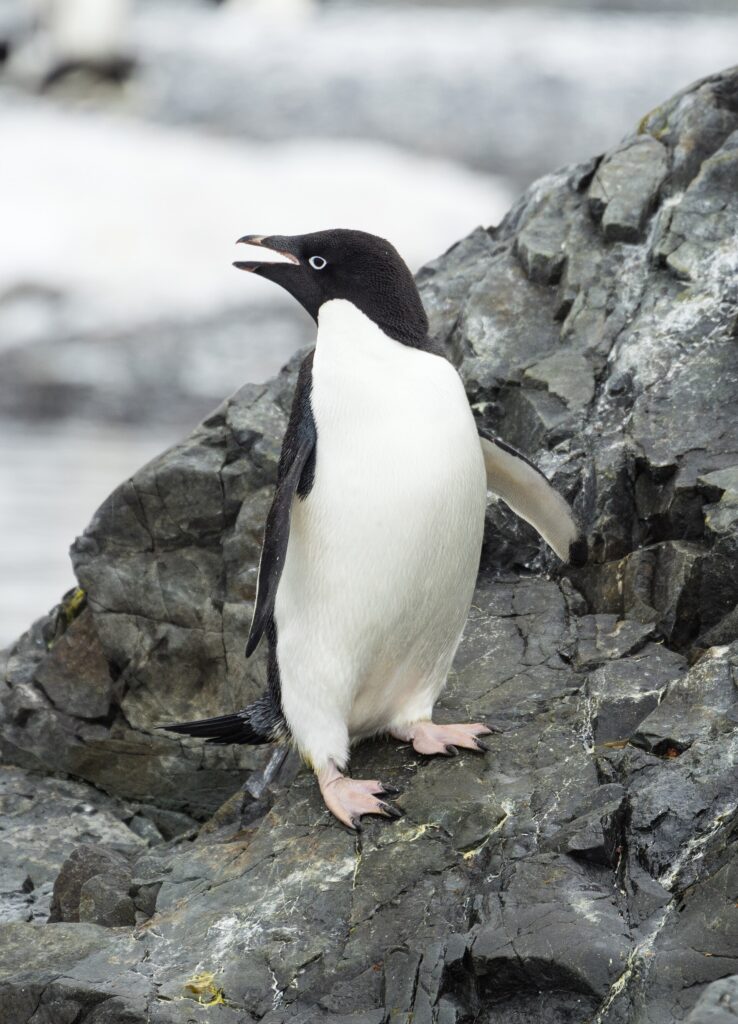
Adélie Penguin
In 2018, satellite images of guano stains revealed a hidden ‘supercolony’ of about 1.5 million Adélie penguins in Antarctica’s remote Danger Islands.
In 2018, satellite images of guano stains revealed a hidden ‘supercolony’ of about 1.5 million Adélie penguins in Antarctica’s remote Danger Islands.
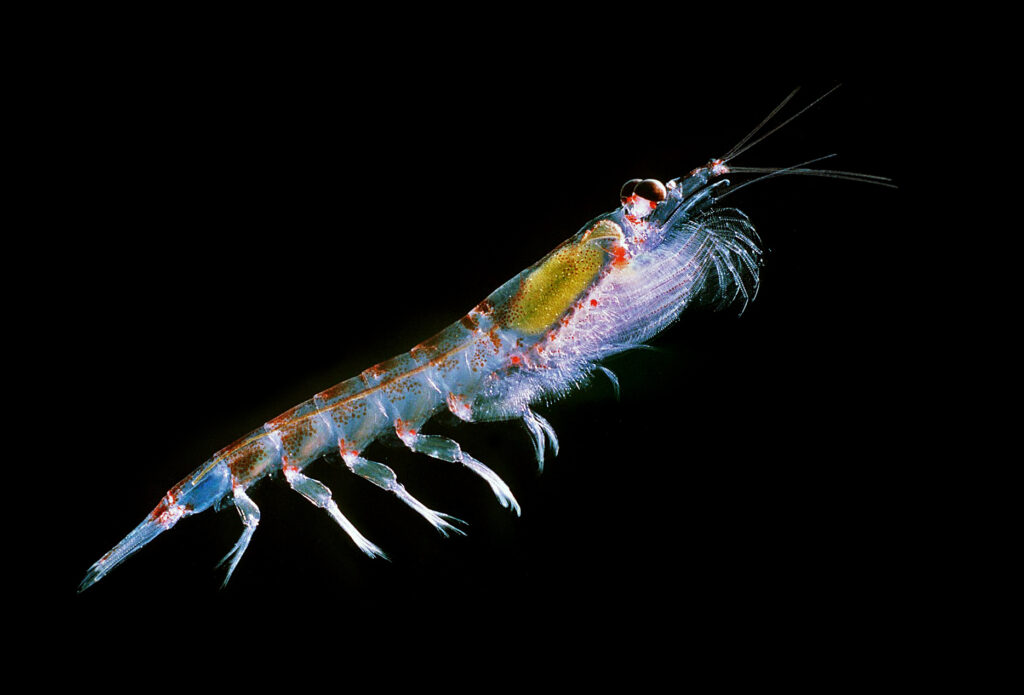
Antarctic krill may make up one of the largest total biomasses of any wild animal species, hundreds of millions of tonnes, and they support almost all larger Southern Ocean life.
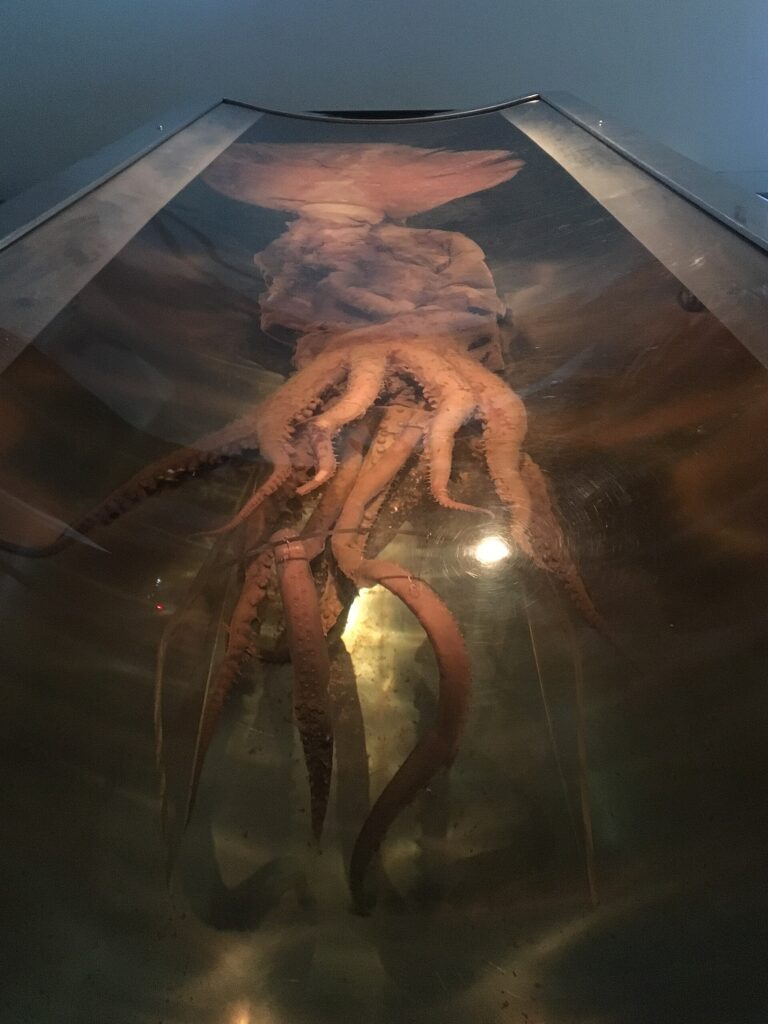
The colossal squid is the heaviest invertebrate on Earth and has the largest eyes of any known animal, about the size of a dinner plate.
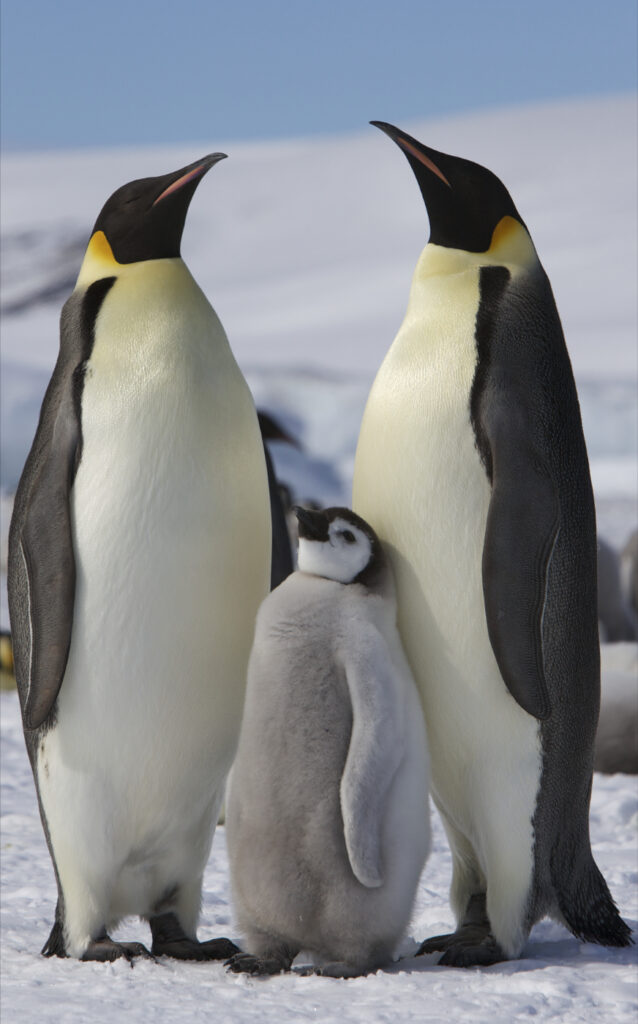
Emperor penguins breed in the depths of the Antarctic winter, and males incubate the egg on their feet for about two months in temperatures below −40 °C without eating.
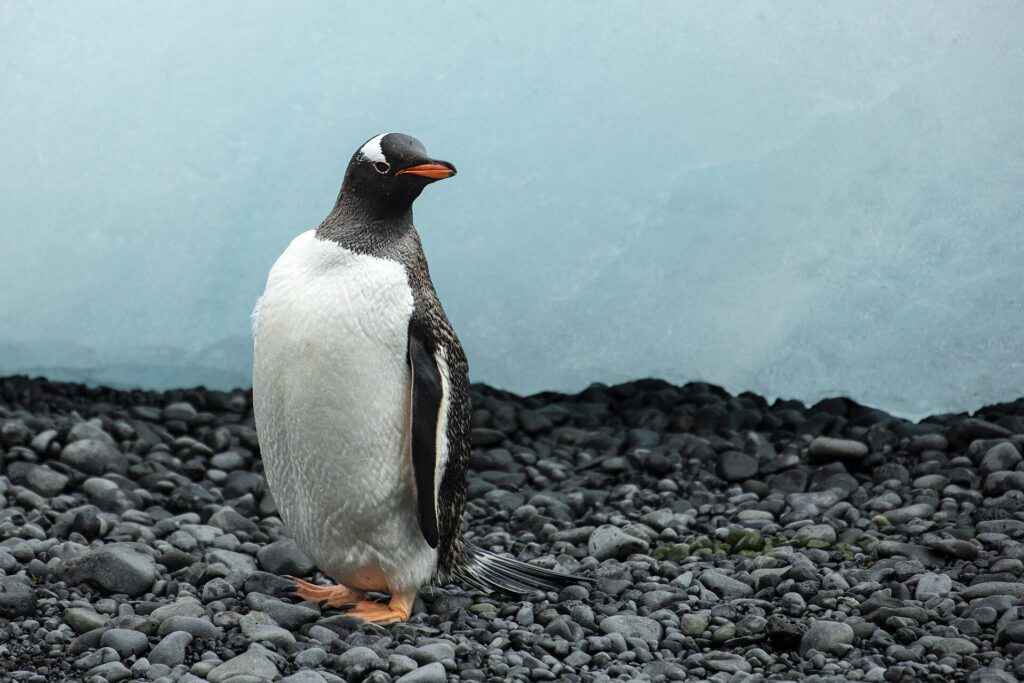
The gentoo is the fastest-swimming penguin, reaching speeds of about 36 km/h underwater.
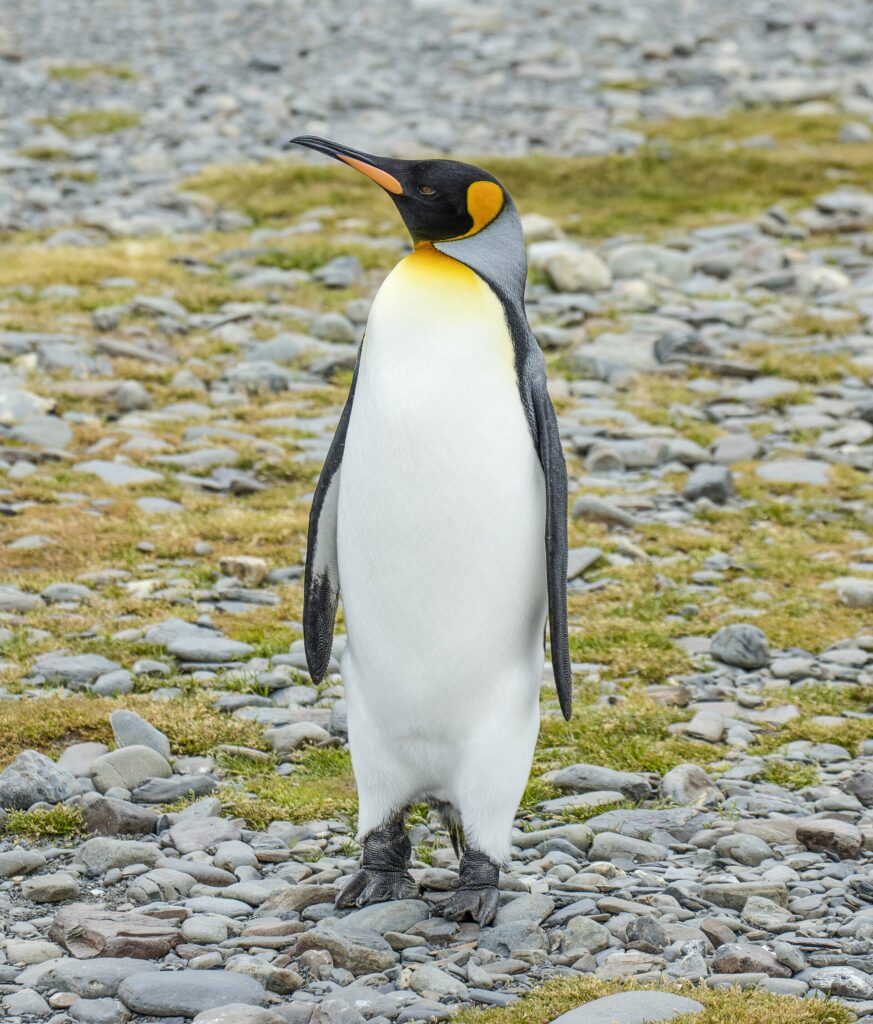
A king penguin’s breeding cycle takes over a year, so a pair can raise at most two chicks every three years.
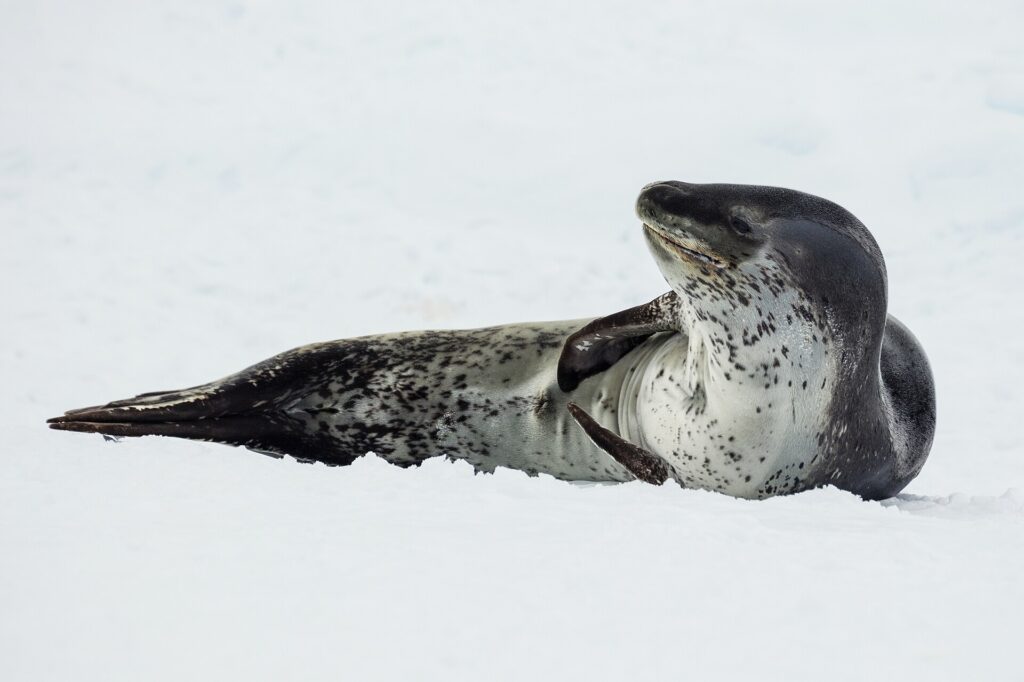
Despite its fearsome reputation as a penguin hunter, a large part of a leopard seal’s diet is krill, which it filters through interlocking cheek teeth.
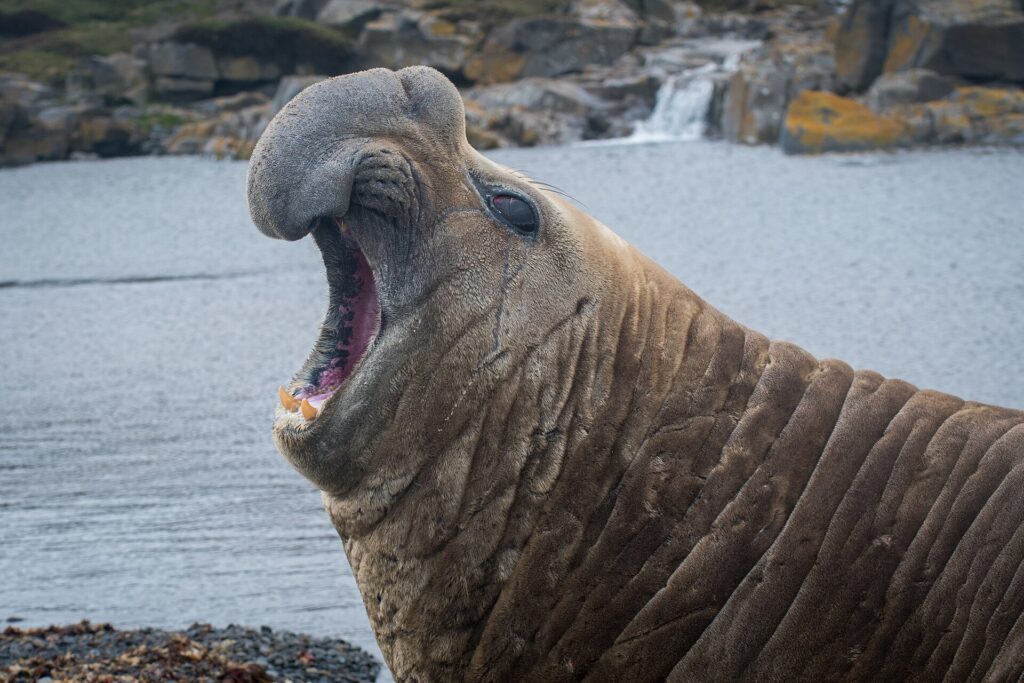
Southern elephant seals can dive deeper than 2,000 metres and stay underwater for up to about two hours.
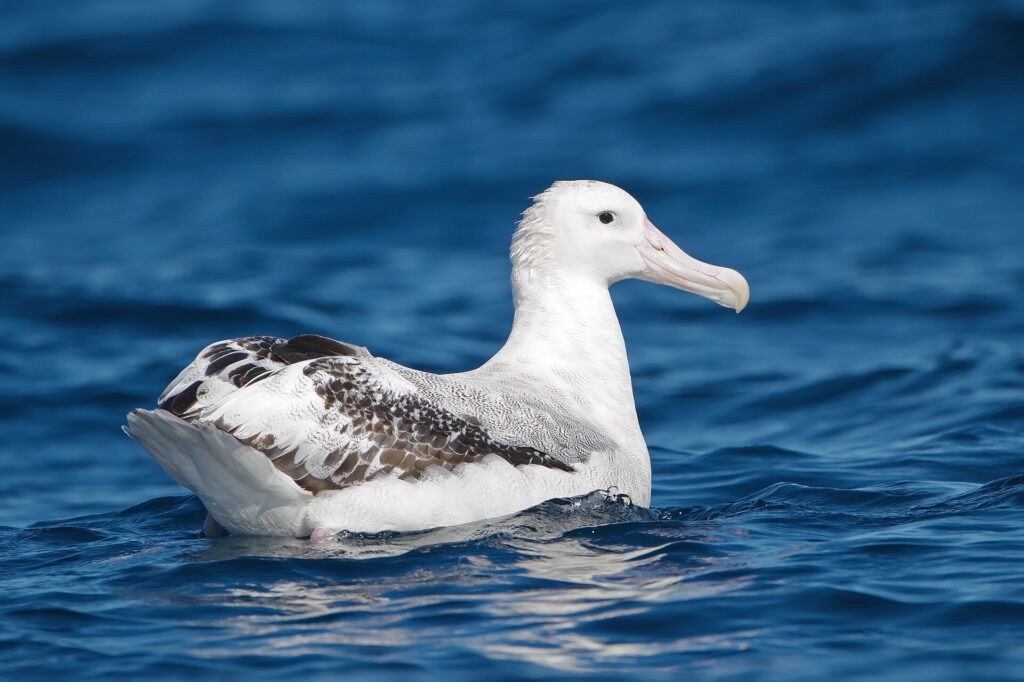
The wandering albatross has the largest wingspan of any living bird and can travel thousands of kilometres on a single foraging trip, barely flapping.
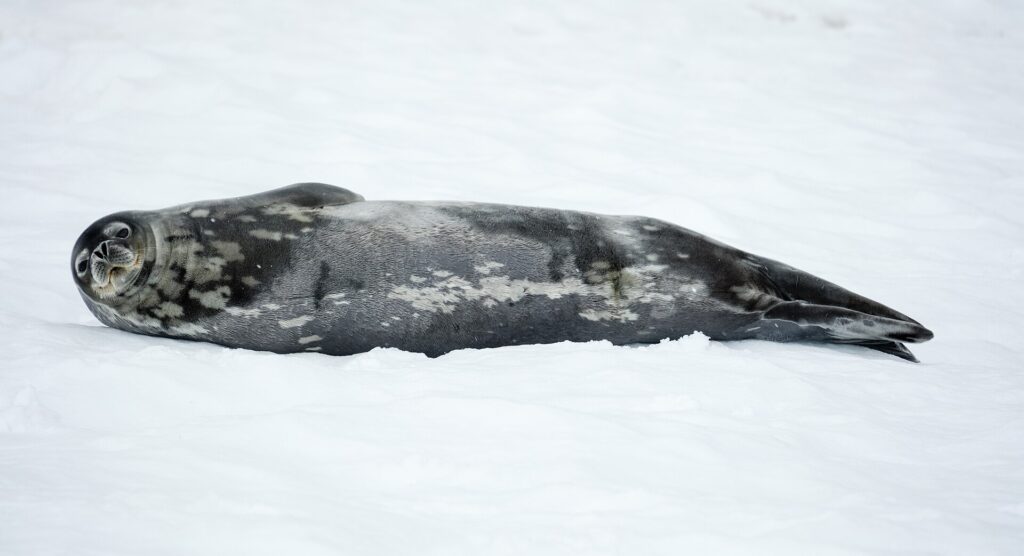
Weddell seals keep breathing holes open in the ice by scraping them with their teeth, and can dive to over 600 m and stay under for more than an hour.