The great white pelican is a huge, white waterbird with a massive bill and pouch. It lives in large colonies and is a spectacular sight when groups fish or soar together.
Interesting facts
- Its wingspan is one of the largest of any flying bird.
- Its throat pouch can hold several litres of water, which it drains before swallowing fish.
- In the breeding season, adults develop a pinkish flush and a yellow chest patch.
- The Danube Delta has Europe’s largest breeding colony.
- Tens of thousands stop over in Israel’s Hula Valley on migration.
- Pelicans soar on thermals during migration, like storks.
Behaviour
Great white pelicans are highly social and nest, roost and fish in large groups. They take off with a running start and fly in long lines or V-formations.
Breeding and young
They nest in dense colonies, laying one or two eggs on the ground. Chicks gather in crèches.
Threats and conservation
Wetland drainage, disturbance at colonies, collisions with power lines and conflict with fish farmers.
Where to see it
- Danube Delta, Romania
- Hula Valley, Israel, during migration
- Lake Nakuru, Kenya
- Walvis Bay, Namibia
Status source: IUCN Red List. Profile last reviewed September 2026.
Where to see the great white pelican
 Lake Nakuru and the Rift Valley Lakes: Flamingos and RhinosKenya's Rift Valley lakes offer rhinos, flamingos, hippos and some of Africa's best birding within a few hours…
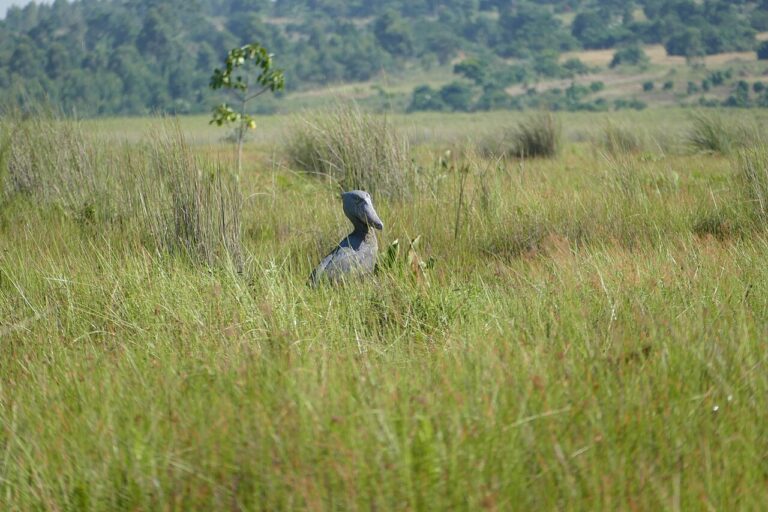 Shoebill Safari: Where to Find Africa’s Strangest BirdTall, grey and prehistoric-looking, the shoebill is top of many birders' wish lists. Where to find one, and…
 Keoladeo (Bharatpur) Bird Sanctuary GuideA former duck-hunting reserve turned World Heritage wetland, Bharatpur is one of Asia's great birding sites and just…