The springbok is a graceful, medium-sized gazelle of the dry southwest of Africa. It is one of the few large mammals able to live in deserts without drinking water, and its leaping displays are a classic sight in the Kalahari and Etosha.
Interesting facts
- The springbok is the national animal of South Africa.
- ‘Pronk’ comes from an Afrikaans word meaning to show off.
- Springbok can survive without drinking, getting water from plants they eat at night and early morning.
- In the 1800s, migrating herds of millions took days to pass through farmland.
- Both males and females have ridged, lyre-shaped horns.
- South Africa’s national rugby team is named the Springboks.
Behaviour
Springbok live in herds that grow larger in the wet season. Pronking may signal to predators that a springbok is fit and not worth chasing. Territorial males defend areas during the rut.
Breeding and young
After a gestation of about six months, a single lamb is born, often timed with the rains. Lambs hide for their first days, then join nursery groups.
Threats and conservation
Springbok are abundant. Fences have ended their great migrations, and populations are managed on farms and in reserves.
Where to see it
- Etosha National Park, Namibia
- Kgalagadi Transfrontier Park, South Africa and Botswana
- Central Kalahari Game Reserve, Botswana
- Karoo National Park, South Africa
Status source: IUCN Red List. Profile last reviewed September 2026.
Where to see the springbok
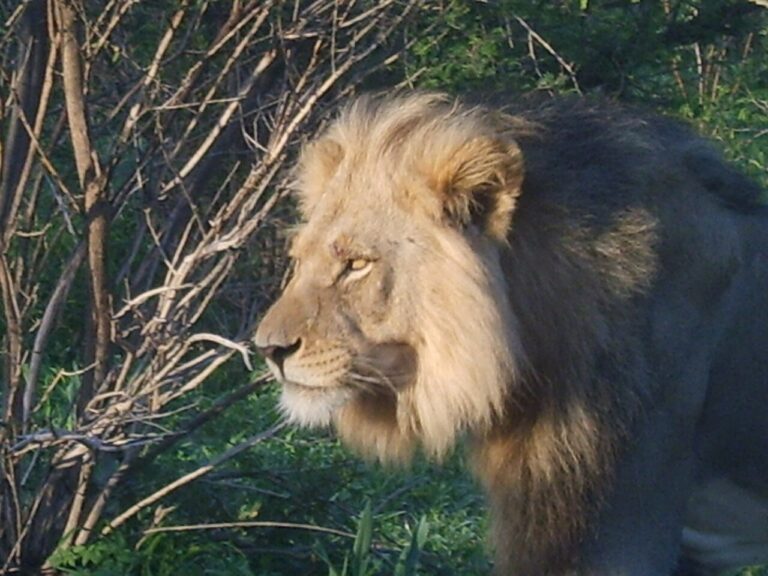 Central Kalahari Game Reserve: Desert Lions and the Green SeasonOne of the largest reserves on Earth, the Central Kalahari comes alive in the rains, when antelope gather…
 Namibia Self-Drive Wildlife Itinerary: 14 DaysA two-week road trip through Namibia's deserts, coast and Etosha, designed for wildlife. Day-by-day route, driving tips and…