Mosquitoes are small flies found almost everywhere on Earth. Most species are harmless to people, but a few spread diseases that have shaped human history. They are also an important food source for many animals.
Interesting facts
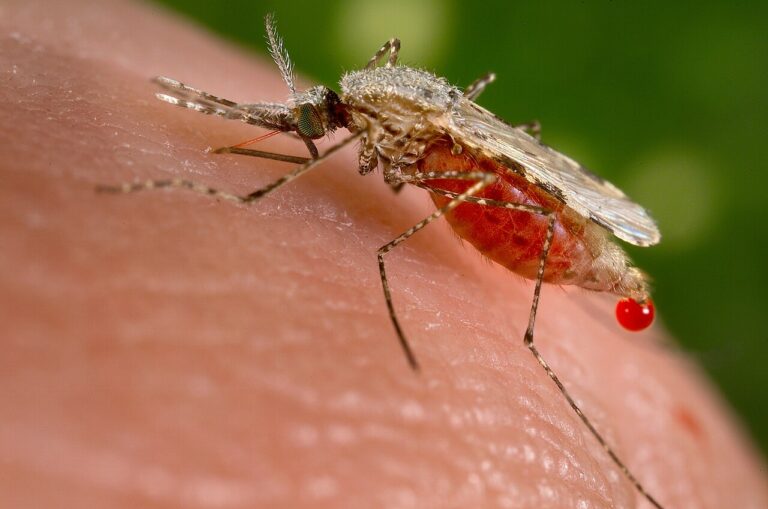
- Only female mosquitoes bite; they need proteins from blood to develop their eggs.
- The whine of a mosquito comes from wings beating hundreds of times a second.
- Mosquitoes find people by detecting carbon dioxide, body heat and skin odours.
- They also spread dengue, Zika, yellow fever, chikungunya and West Nile virus.
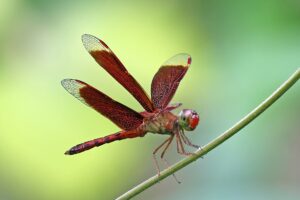
- Mosquito larvae are an important food for fish, frogs and dragonflies.
- Releasing mosquitoes carrying Wolbachia bacteria has greatly reduced dengue in trial cities.
Behaviour
Mosquitoes are most active at dawn, dusk and night, although some species bite by day. Males gather in swarms, and females find them by the sound of their wings.
Breeding and young
Females lay eggs on or near standing water. The larvae, called wrigglers, breathe through tubes at the surface, turn into pupae and emerge as adults within one to two weeks.
Threats and conservation
Mosquitoes are not threatened. Controlling disease-carrying species through nets, repellents, draining standing water and new biological methods saves many lives.
Where to see it
- Wetlands and forests almost everywhere
- Arctic tundra in summer, where they emerge in huge numbers
- In malaria areas, use nets, repellent and long sleeves
- Remove standing water around homes to reduce breeding
Status source: IUCN Red List. Profile last reviewed September 2026.
 Health and Vaccinations for Wildlife Travel