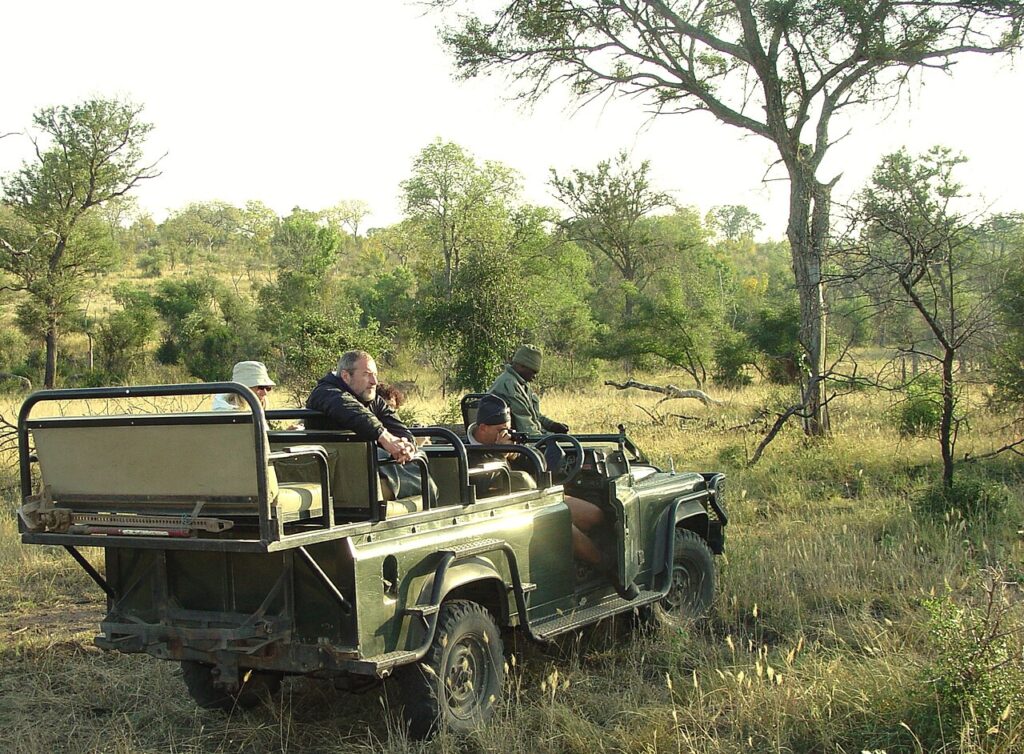
A first safari is one of the most exciting trips you can plan, and also one of the most confusing. There are dozens of countries and hundreds of parks, prices range from budget camping to thousands of dollars a night, and every operator claims to offer the best experience. This guide walks you through the decisions in the order you need to make them.
Step 1: Decide what you most want to see
Start with the wildlife experiences that matter most to you, then choose the destination that delivers them.
| If you most want to see… | Consider |
|---|---|
| The Great Migration | Tanzania (Serengeti) and Kenya (Maasai Mara) |
| The Big Five in a short trip | South Africa (Kruger and Sabi Sands), Tanzania (Ngorongoro Crater) |
| Mountain gorillas | Rwanda and Uganda |
| Huge elephant herds | Botswana (Chobe), Zimbabwe (Hwange) |
| Water-based safaris by boat and canoe | Botswana (Okavango Delta), Zambia (Lower Zambezi) |
| Walking safaris | Zambia (South Luangwa), Zimbabwe (Mana Pools) |
| Leopards | Zambia (South Luangwa), South Africa (Sabi Sands) |
| Desert landscapes and self-drive freedom | Namibia (Etosha and Damaraland) |
| Lemurs and chameleons | Madagascar |
Step 2: Choose the right country
For most first-timers, the choice comes down to East Africa or southern Africa.
East Africa (Kenya, Tanzania, Uganda, Rwanda) offers the Great Migration, the Ngorongoro Crater, open plains with huge numbers of animals, gorilla and chimpanzee trekking, and the chance to combine a safari with a beach holiday in Zanzibar or on the Kenyan coast.
Southern Africa (South Africa, Botswana, Namibia, Zambia, Zimbabwe) offers a wider range of safari styles, from affordable self-drive in Kruger to exclusive camps in the Okavango Delta, walking safaris, boat safaris and malaria-free reserves in South Africa.
Good first-safari choices include:
- South Africa for value, easy logistics, excellent roads, a wide choice of lodges and the option of malaria-free reserves such as Madikwe and Pilanesberg.
- Kenya for the Maasai Mara, varied parks and good-value group safaris.
- Tanzania for the Serengeti, the Ngorongoro Crater and the classic northern circuit.
- Botswana for low-density, high-quality wilderness safaris, with a higher price tag.
Step 3: Choose when to go
In most of East and southern Africa, the dry season (roughly June to October) is the classic time for a safari. Vegetation thins, animals gather near water and roads are easier to drive. It is also the busiest and most expensive time.
The green season (roughly November to April, varying by country) brings rain, lush scenery, newborn animals, migratory birds and lower prices. Some remote camps close during the heaviest rains.
| Region | Best general months | Notes |
|---|---|---|
| Kenya and Tanzania | June to October; January to February | Calving in the Serengeti Jan–Mar; long rains April–May |
| Uganda and Rwanda | June to September; December to February | Gorilla trekking possible year-round |
| Botswana | May to October | Okavango flood peaks June–August |
| South Africa (Kruger) | May to September | Winter dry season; cold mornings |
| Zambia and Zimbabwe | June to October | October is very hot but excellent for wildlife |
| Namibia | June to October | Etosha waterholes busiest late dry season |
For the migration in detail, see our Serengeti Great Migration month-by-month guide.
Step 4: Choose your style of safari
- Lodges are permanent buildings with restaurants, pools and often more rooms. They suit families and those who want comfort.
- Tented camps use large canvas tents with proper beds and en-suite bathrooms. They put you closer to the sounds of the bush and are often smaller and more personal.
- Mobile camps move seasonally to follow wildlife, such as the Great Migration.
- Self-drive safaris are best in South Africa, Namibia and Botswana’s more accessible parks. They offer freedom and value but you miss out on a guide’s expertise.
- Group tours in minibuses or overland trucks are the budget option in East Africa.
- Private guided safaris give you your own vehicle and guide, which is ideal for photographers.
- Walking, canoe and boat safaris add variety and a different perspective on the bush.
A good combination for a first trip is two or three camps in different habitats, with at least three nights at each.
Step 5: Set a realistic budget
Safari prices vary enormously. As a rough guide, per person per night, including accommodation, meals and activities:
| Level | Typical range | What you get |
|---|---|---|
| Budget | About US$150–300 | Camping or basic lodges, group vehicles, often shared |
| Mid-range | About US$300–700 | Comfortable lodges or tented camps, small groups |
| Luxury | About US$700–1,500 | High-end camps, private vehicles in some, top guides |
| Ultra-luxury | US$1,500 and above | Exclusive, remote camps; Botswana and Rwanda at the top end |
On top of this, budget for international flights, internal light-aircraft flights, park and conservation fees (for example US$70 plus VAT per day in the Serengeti, and US$100–200 per day in the Maasai Mara), visas, travel insurance and tips. Gorilla permits cost US$1,500 per person in Rwanda and US$800 in Uganda for foreign non-residents; always check current rates.
Ways to save: travel in the shoulder or green season, choose South Africa or Kenya, join a small group, self-drive where possible, and stay longer in fewer places to reduce internal flights.
Step 6: Choose a reputable operator
Look for operators who:
- Are registered with national tourism authorities or recognised associations.
- Use experienced, licensed guides and well-maintained vehicles.
- Give clear itineraries with what is and is not included.
- Support conservation and local communities, for example by using community-owned lodges or conservancies.
- Avoid unethical wildlife interactions such as cub petting, walking with captive lions or elephant rides.
Read recent independent reviews and ask direct questions about group sizes, vehicle seating (a window seat for everyone is essential) and guide experience.
Step 7: Health and vaccinations
See a travel health clinic at least six to eight weeks before you travel. Common recommendations include:
- Routine vaccines: make sure your standard vaccinations are up to date.
- Hepatitis A and typhoid for most destinations.
- Yellow fever: some countries require proof of vaccination, especially if you are arriving from a country with yellow fever risk. Check the entry rules for each country on your itinerary.
- Malaria prevention: most safari areas outside South Africa’s malaria-free reserves are malarial. Take the antimalarial medication your doctor recommends, and use insect repellent, long sleeves at dusk and mosquito nets.
- Rabies vaccination may be advised for longer or more remote trips.
Carry a small first-aid kit, sunscreen, and any personal medication in your hand luggage.
Step 8: Visas and entry
Visa rules change often, so always check official government sources before you travel. At the time of writing:
- Kenya requires most visitors to apply online for an Electronic Travel Authorisation (eTA) before travelling.
- Tanzania, Uganda and many others offer e-visas online.
- The East Africa Tourist Visa has long covered Kenya, Uganda and Rwanda on a single visa; check how it currently works alongside Kenya’s eTA before relying on it.
- South Africa, Botswana and Namibia offer visa-free entry or visas on arrival to many nationalities, but rules differ.
Your passport usually needs at least six months’ validity and several blank pages.
Step 9: What to pack
Most small planes limit luggage to about 15–20 kg in a soft bag. Pack light and neutral:
- Neutral-coloured clothing (khaki, olive, beige); avoid bright colours, and avoid dark blue and black in tsetse fly areas.
- A warm fleece or jacket for early morning drives; it can be cold in the dry season.
- A wide-brimmed hat, sunglasses and high-factor sunscreen.
- Comfortable closed shoes for walking.
- Binoculars, ideally one pair per person.
- A camera with a zoom lens, spare batteries and memory cards.
- A headtorch, insect repellent, a refillable water bottle and a universal adaptor.
- Copies of your passport, insurance and vaccination certificates.
For a detailed list, see our safari packing list guide.
Step 10: Safari etiquette and safety
- Listen to your guide. Stay in the vehicle unless told otherwise, and keep arms inside near animals.
- Keep your voice down and avoid sudden movements at sightings.
- Never feed wildlife or leave litter.
- Do not pressure your guide to drive off-road, get too close or crowd a sighting.
- Dress modestly in villages and ask permission before photographing people.
- Tipping is customary for guides, trackers and camp staff. Many operators provide suggested amounts; ask yours in advance.
- At night in camps, always follow the rules about being escorted to your tent, since wild animals move freely through many camps.
A sample 10-day first safari
Tanzania northern circuit: 2 nights Tarangire (elephants and baobabs), 1 night Ngorongoro highlands with a crater game drive, 4 nights Serengeti (split between central and the migration area depending on season), 1 night Arusha. Optional add-on: 3 nights in Zanzibar.
South Africa: 1 night Johannesburg, 4 nights in a private reserve in the Greater Kruger (Sabi Sands or Timbavati), 3 nights self-drive in Kruger, then Cape Town for penguins, whales and the Cape Peninsula.
Frequently asked questions
What is the best country for a first safari? South Africa, Kenya and Tanzania are the most popular and accessible first-safari destinations. Botswana is exceptional but more expensive.
How many days do I need? Seven to ten days on safari is ideal for a first trip. Fewer than five days feels rushed once you allow for travel between parks.
Is a safari suitable for children? Yes, many lodges welcome families, although some camps have minimum age limits for game drives and walking. Malaria-free reserves in South Africa are popular with families.
Will I see the Big Five? In parks such as the Sabi Sands, the Ngorongoro Crater and the Maasai Mara, the chances are good, but wildlife sightings are never guaranteed. Leopards and rhinos are usually the hardest to find.
Is it safe? Safaris with reputable operators are generally very safe. The main risks are road travel, sun, dehydration and malaria, all of which can be managed with sensible precautions.
Related guides
- Serengeti Great Migration month-by-month guide
- Wildlife of Africa
- Learn: Human ecology and the footprint of travel
Cover photo: EDUARDO SORTICA, CC BY-SA 3.0, via Wikimedia Commons