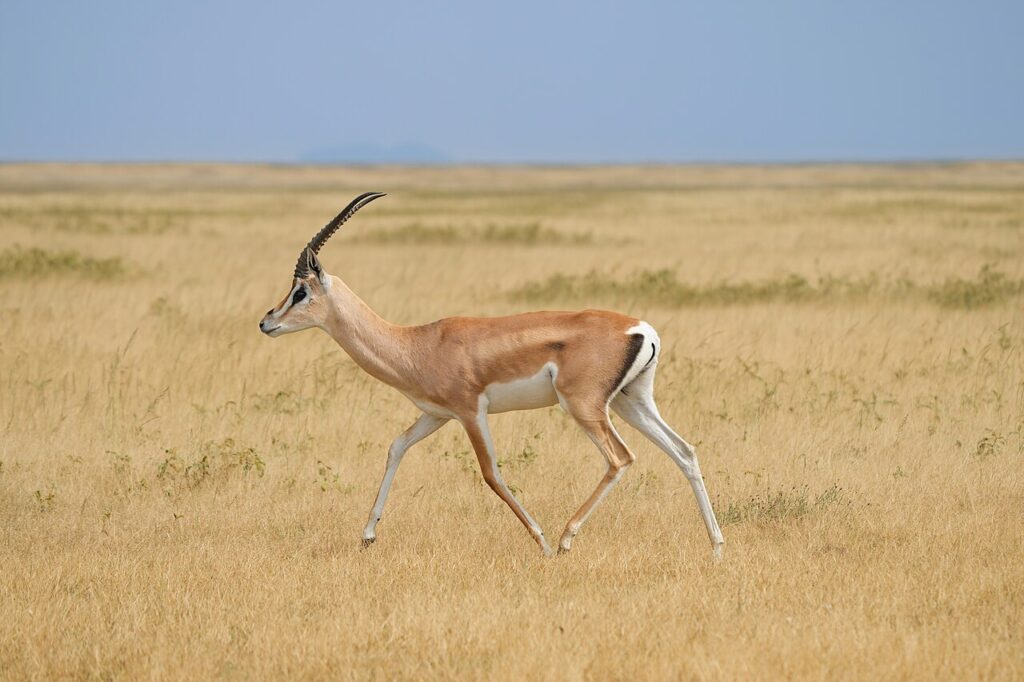
“How much does a safari cost?” is the most common question first-time travellers ask, and the honest answer is: anywhere from about US$150 to more than US$2,000 per person per night. The price depends on the country, season, style of accommodation, how you travel between parks and how exclusive the experience is. This guide explains where the money goes and how to plan a realistic budget.
Typical costs per person per night
| Style | Approximate cost (USD) | What you get |
|---|---|---|
| Budget | 150–300 | Camping or basic lodges, shared vehicles and group tours |
| Mid-range | 300–700 | Comfortable lodges or tented camps, small groups, most meals and drives included |
| Luxury | 700–1,500 | Top camps in prime locations, excellent guides, private areas or conservancies |
| Ultra-luxury | 1,500+ | Remote fly-in camps, private vehicles and villas; common in Botswana and Rwanda |
Prices usually include accommodation, meals, game drives and often park fees. Always check what is and is not included.
Costs by country (typical mid-range guide)
| Country | Typical style | Notes |
|---|---|---|
| South Africa | Very good value | Kruger self-drive is one of the cheapest safaris in Africa; private reserves cost more |
| Kenya | Wide range | Road safaris are good value; conservancy camps are more expensive |
| Tanzania | Mid to high | Park and concession fees add up, especially Ngorongoro and Serengeti |
| Uganda | Mid-range | Gorilla and chimpanzee permits are the main extra |
| Botswana | High | “High value, low volume” tourism means premium prices, especially in the Okavango |
| Namibia | Good value | Self-drive and lodges; Etosha is affordable |
| Zambia | Mid to high | Walking safaris and bush camps in South Luangwa and Lower Zambezi |
| Rwanda | High | Gorilla permits cost US$1,500 per person |
Park and conservation fees (examples)
Fees change frequently. Confirm current rates with your operator or the park authority.
- Serengeti National Park: about US$70 per adult per day plus 18 percent VAT in peak season (lower in low season).
- Maasai Mara National Reserve: US$100 per adult per day from January to June and US$200 from July to December.
- Kruger National Park: R602 per international adult per day (1 November 2025 to 31 October 2026).
- Ngorongoro Crater: conservation fees plus a separate per-vehicle crater service fee.
- Gorilla permits: US$800 in Uganda (US$600 in April, May and November); US$1,500 in Rwanda.
Other costs to budget for
- International flights: often US$800 to US$2,000 or more, depending on origin and season.
- Internal flights: light-aircraft transfers can cost several hundred dollars per leg.
- Visas: for example, the East Africa Tourist Visa (Kenya, Uganda and Rwanda) or e-visas for individual countries.
- Travel insurance with medical evacuation cover.
- Vaccinations and malaria medication.
- Tips: as a guide, US$10–20 per guest per day for your guide, and US$5–10 per guest per day for general camp staff, shared via a tip box.
- Extras: drinks, laundry, spa treatments, balloon safaris (often US$500 or more per person) and souvenirs.
Why are safaris expensive?
- Remote logistics: supplying camps in remote areas with food, fuel and water is costly.
- Conservation fees fund anti-poaching, park management and community programmes.
- Low-density tourism: some countries intentionally limit visitor numbers to reduce impact.
- Skilled guides and staff and high-quality vehicles.
Ways to save money
- Travel in shoulder or green season. Rates can drop by 20 to 50 percent, and wildlife is often still excellent.
- Choose a self-drive safari in South Africa or Namibia.
- Join a group tour instead of a private safari.
- Mix lodge styles: splurge on one special camp, and stay in mid-range lodges elsewhere.
- Limit internal flights by choosing parks that are close together.
- Look for special offers, such as “stay four, pay three” deals.
- Book early for peak season to secure better-value options.
Sample budgets
- 7-day Kruger self-drive (two people sharing, rest camps, car hire): from about US$1,200 to US$2,000 per person, excluding international flights.
- 7-day mid-range Tanzania road safari (Tarangire, Ngorongoro, Serengeti): about US$2,800 to US$4,500 per person.
- 7-day Botswana fly-in safari (Okavango and Chobe): about US$7,000 to US$15,000 or more per person in peak season.
These are rough estimates only, excluding international flights and tips.
Frequently asked questions
What is the cheapest way to go on safari? A self-drive safari in Kruger or Etosha, staying in park rest camps, or a group camping tour in Kenya or Tanzania.
Are park fees included in safari prices? Usually, in packaged safaris, but not always. Check whether conservation fees, concession fees, VAT and transfers are included.
How much should I tip on safari? As a guide, US$10–20 per guest per day for your guide, and US$5–10 per guest per day for general camp staff, shared through a staff tip box.
Is the green season cheaper? Yes. Many camps reduce prices by 20 to 50 percent in the rainy season, and wildlife viewing can still be very good.
Related guides
- First African safari planning guide
- 10-day African safari itinerary
- Safari packing list
- Kruger self-drive guide
Cover photo: Giles Laurent, CC BY-SA 4.0, via Wikimedia Commons