The northern gannet is a large, white seabird with black wingtips and a golden head. Its spectacular plunge-dives into shoals of fish are one of the great sights of the North Atlantic.
Interesting facts
- Gannets have no external nostrils, so water cannot be forced into their noses when diving.
- Their eyes face forward, giving them good depth perception.
- Bass Rock in Scotland is the world’s largest gannet colony.
- Britain and Ireland hold most of the world’s northern gannets.
- In 2022, avian flu killed thousands of gannets at colonies around the North Atlantic.
- Pairs greet each other with elaborate bill-fencing displays.
Behaviour
Gannets fish in groups, often following shoals over long distances. They breed in huge, noisy colonies on cliffs and islands.
Breeding and young
Pairs lay a single egg on a nest of seaweed and debris and incubate it with their webbed feet. The chick fledges after about three months.
Threats and conservation
Avian flu, entanglement in marine debris and fishing gear, overfishing and offshore wind farms.
Where to see it
- Bass Rock, Scotland
- Bempton Cliffs, Yorkshire, England
- Bonaventure Island, Quebec, Canada
- Cape St Mary’s, Newfoundland, Canada
Status source: IUCN Red List. Profile last reviewed September 2026.
Where to see the northern gannet
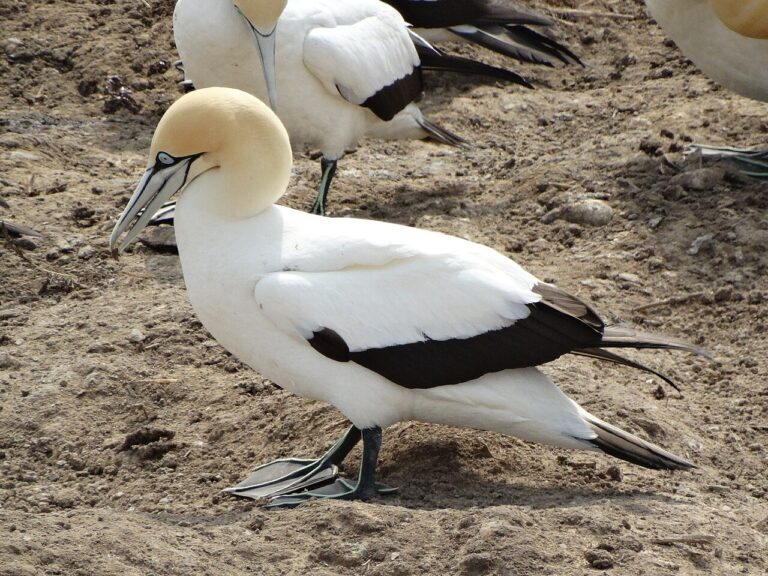 The Sardine Run: Diving Africa’s Greatest Marine SpectacleEvery winter, vast shoals of sardines move up South Africa's east coast, followed by dolphins, sharks, gannets and…
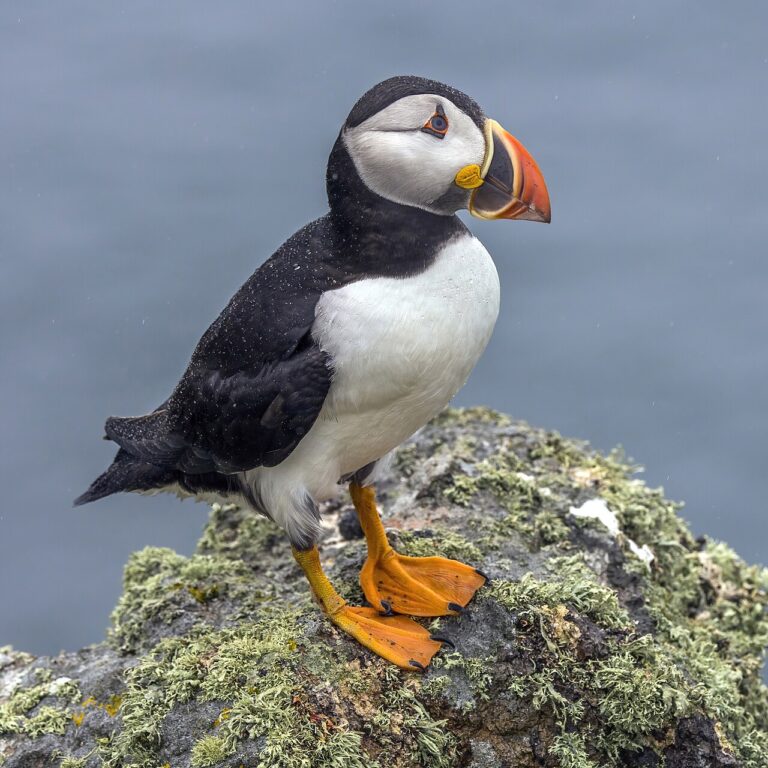 Where to See Puffins in IcelandIceland is home to more Atlantic puffins than anywhere else on Earth. The best places to see them,…
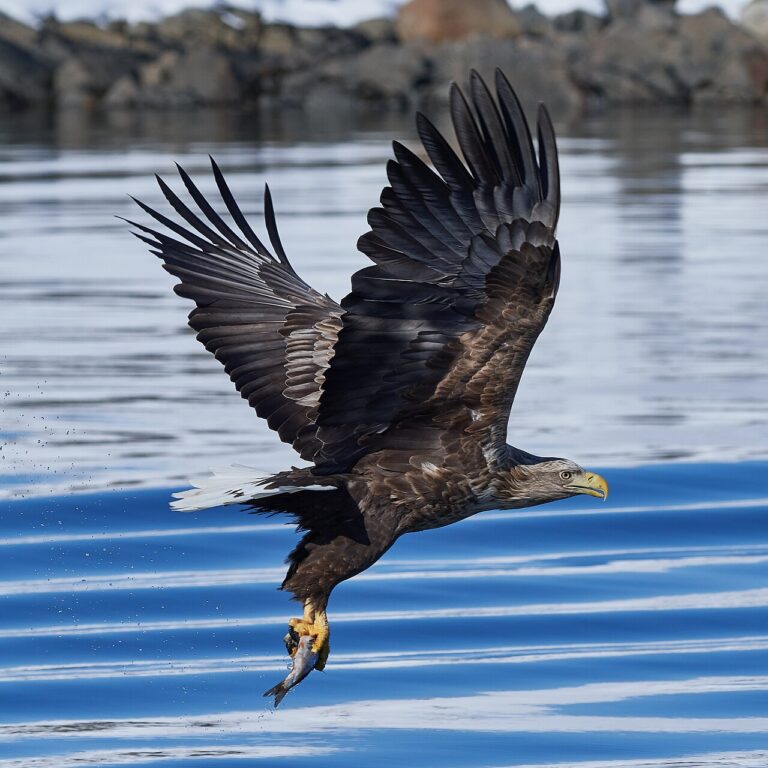 Scotland Wildlife Guide: Red Deer, Otters, Eagles and PuffinsFrom sea eagles on Mull to dolphins in the Moray Firth, Scotland offers some of Europe's best wildlife…