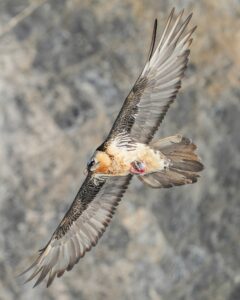
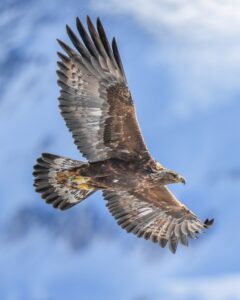
The griffon vulture is a large, pale Old World vulture of southern Europe, North Africa and Asia. It plays a vital role in ecosystems by quickly clearing away dead animals.
Interesting facts
- Spain holds most of Europe’s griffon vultures.
- Griffons nest in colonies on cliff ledges.
- Their bald heads and necks help keep them clean when feeding.
- By eating carcasses, vultures help stop the spread of disease.
- Griffon vultures have been successfully reintroduced to parts of France and the Balkans.
- The veterinary drug diclofenac, which devastated vultures in India, is still a concern in Europe.
Behaviour
Griffons soar in groups on thermals, following each other to carcasses. At a carcass, dozens may feed together with much squabbling.
Breeding and young
Pairs lay a single egg on a cliff ledge. Both parents incubate it for about 50 days, and the chick fledges after about four months.
Threats and conservation
Poisoning, collisions with wind turbines and power lines, lack of food and veterinary drugs.
Where to see it
- Monfragüe National Park, Spain
- Gorges du Tarn and Jonte, France
- Pyrenees, Spain and France
- Gamla Nature Reserve, Israel
Status source: IUCN Red List. Profile last reviewed September 2026.
Where to see the griffon vulture
 Iberian Lynx Watching in Sierra de AndújarIn 2002, fewer than 100 Iberian lynx survived. Today there are more than 2,000, and Andújar is the…
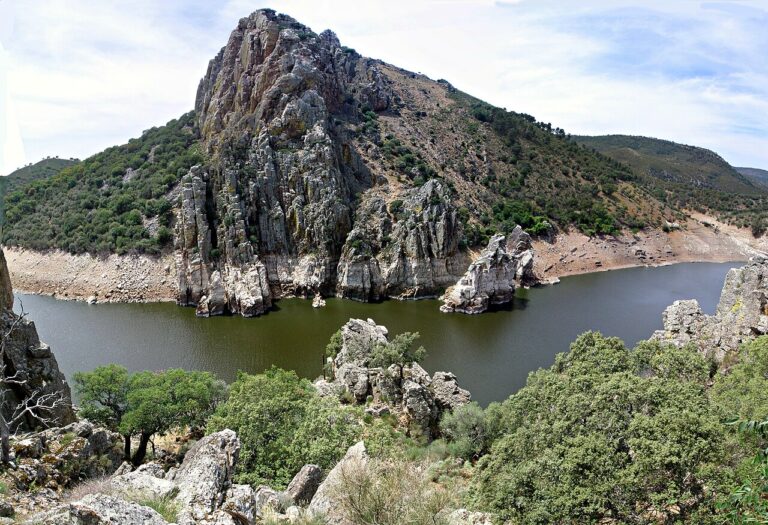 Birding in Extremadura and MonfragüeExtremadura's cliffs, oak dehesas and open plains are among Europe's finest birding landscapes. Where to go and when.
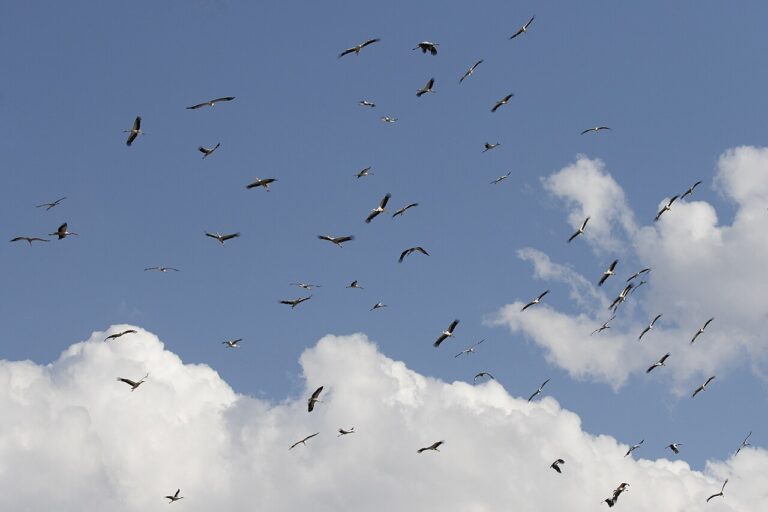 Raptor Migration at the Strait of GibraltarEvery autumn and spring, hundreds of thousands of birds of prey and storks cross the narrow Strait of…