The European rabbit is a small, burrowing mammal native to southwestern Europe. It has been introduced around the world, often with devastating effects on native ecosystems.
Interesting facts
- Rabbits released in Australia in 1859 multiplied into hundreds of millions.
- It is the wild ancestor of all domestic rabbit breeds.
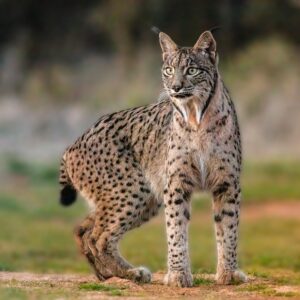
- The endangered Iberian lynx and Spanish imperial eagle depend on rabbits for food.
- Rabbits live in burrow systems called warrens.
- They thump their hind feet to warn others of danger.
- Rabbits eat some of their own droppings to digest their food twice.
Behaviour
Rabbits live in social groups in warrens and are most active at dawn and dusk. They graze near their burrows and flee underground at the first sign of danger.
Breeding and young
Females can have several litters a year, each of about three to eight kits, born blind and hairless in a nest lined with fur.
Threats and conservation
In its native range: myxomatosis, rabbit haemorrhagic disease, habitat loss and hunting. Elsewhere it is controlled as a pest.
Where to see it
- Doñana National Park, Spain
- Sierra de Andújar, Spain
- Grasslands and dunes across Europe
- Farmland and parks throughout Britain
Status source: IUCN Red List. Profile last reviewed September 2026.
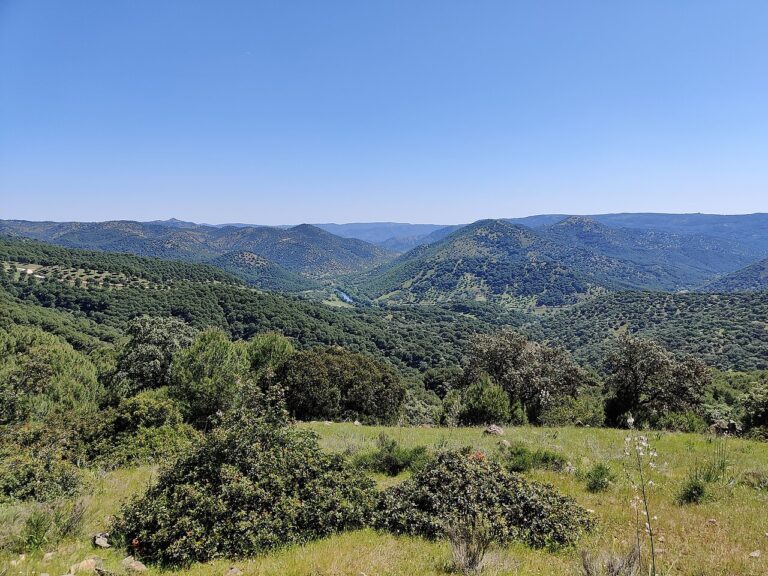 Iberian Lynx Watching in Sierra de Andújar