The Arctic hare is a large, thick-furred hare of the high Arctic. It is superbly adapted to cold, dark winters and treeless tundra.
Interesting facts
- It is one of the largest hares in North America.
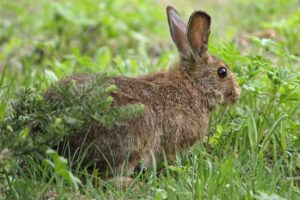
- In the far north, Arctic hares stay white all year; further south they turn grey-brown in summer.
- Short ears and thick fur reduce heat loss.
- They dig shelters in the snow.
- Their sharp, strong claws help them dig through snow to reach plants.
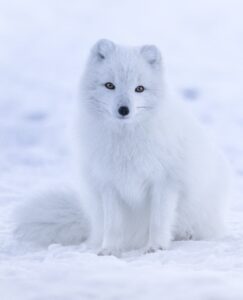
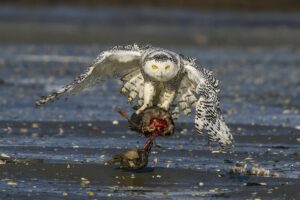
- Arctic foxes, wolves, snowy owls and gyrfalcons prey on them.
Behaviour
Arctic hares are active year-round. They are often solitary but sometimes form large groups in winter, which may help them spot predators.
Breeding and young
Females give birth to a single litter of about two to eight leverets in early summer.
Threats and conservation
The species is not considered threatened.
Where to see it
- Ellesmere Island, Nunavut, Canada
- Northeast Greenland National Park
- Baffin Island, Nunavut
- Newfoundland, Canada
Status source: IUCN Red List. Profile last reviewed September 2026.