The orca is the top predator of the ocean, with no natural enemies. Scientists recognise several distinct ecotypes that rarely interbreed and may eventually be classified as separate species. The IUCN lists the orca as Data Deficient because of this uncertainty.
Interesting facts
- Orcas are also known as killer whales, although they are dolphins.
- A male’s dorsal fin can be up to about 1.8 m tall.
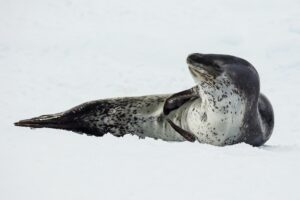
- Some Antarctic orcas make waves to wash seals off ice floes.
- Orcas in Argentina deliberately beach themselves to catch sea lion pups.
- Female orcas can live long after they stop breeding and lead their families to food.
- The Southern Resident orcas of the Pacific Northwest are endangered, with around 75 individuals.
Behaviour
Orcas live in tight family groups called pods, often led by an older female. They coordinate hunts and share food. Some populations eat only fish, others only marine mammals.
Breeding and young
Females give birth to a single calf every three to ten years after a gestation of about 17 months. Calves stay with their mothers for life in many populations.
Threats and conservation
Pollution (especially PCBs), depletion of prey such as Chinook salmon, noise and disturbance from boats.
Where to see it
- San Juan Islands, USA and Vancouver Island, Canada
- Tromsø and Skjervøy, Norway
- Península Valdés, Argentina
- Iceland
Status source: IUCN Red List. Profile last reviewed September 2026.
Where to see the orca
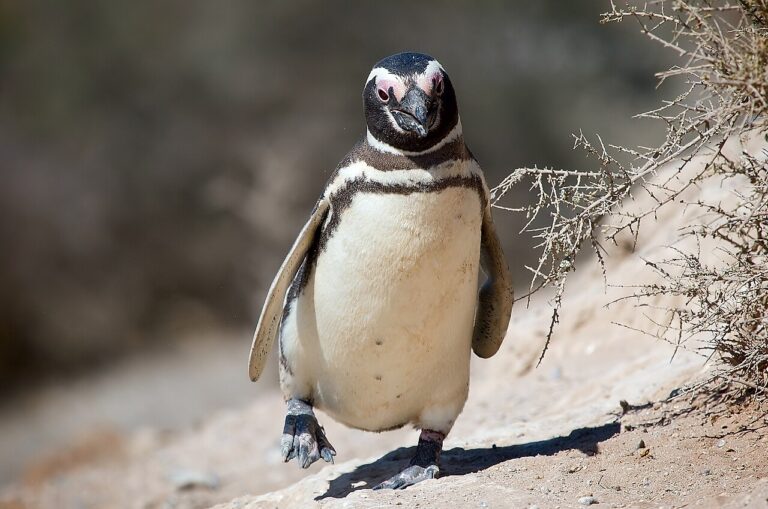 Península Valdés: Whales, Orcas and PenguinsOne of the best marine wildlife destinations in the world, Península Valdés offers whales, orcas, penguins and elephant…
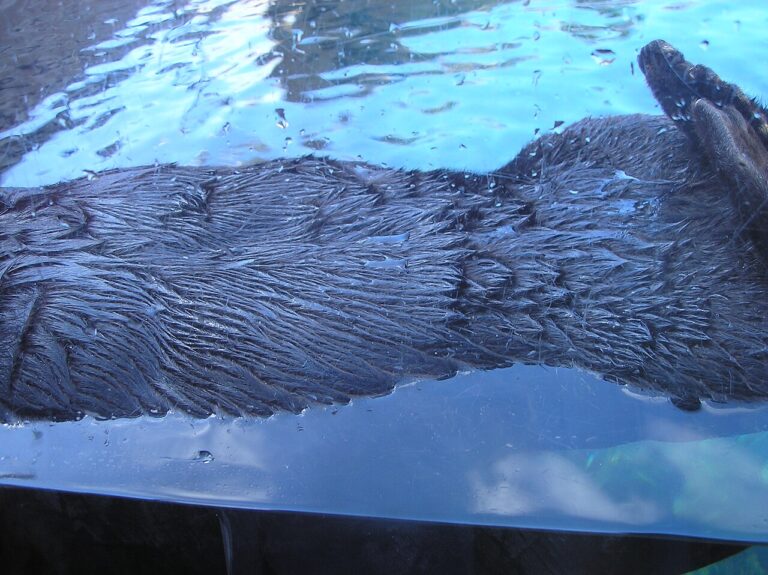 Monterey Bay: Sea Otters, Whales and Kelp ForestsMonterey Bay's deep underwater canyon brings whales close to shore, and sea otters float in its kelp forests.…
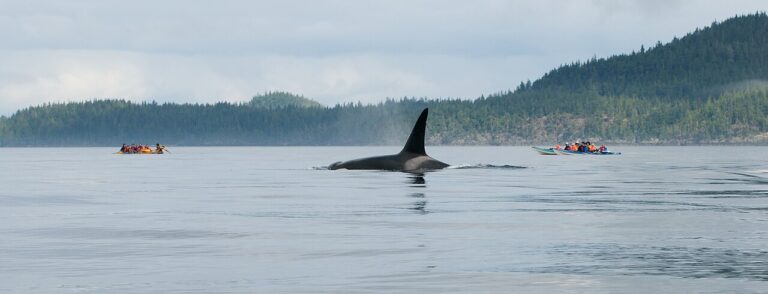 Orca Watching on Vancouver IslandThe waters around Vancouver Island are one of the best places in the world to watch wild orcas.…