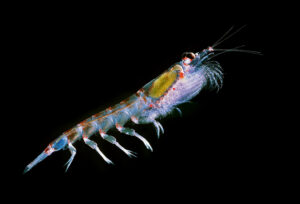
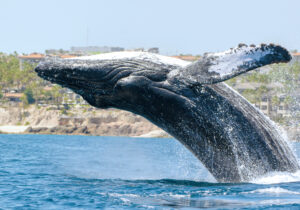
The blue whale is a baleen whale that feeds almost entirely on tiny krill. Industrial whaling reduced populations drastically, especially the Antarctic blue whale, which fell to well under 1 percent of its original numbers. Commercial hunting was banned in 1966.
Interesting facts
- A blue whale’s heart weighs around 180 kg and is roughly the size of a small car.
- Its calls can be louder than a jet engine and may travel hundreds of kilometres underwater.
- A newborn calf is about 7 m long and gains up to about 90 kg a day on its mother’s milk.
- Blue whales feed by lunging, taking in a mouthful of water larger than their own body volume.
- Twentieth-century whaling killed around 360,000 blue whales, mostly in the Southern Ocean.
- They are protected worldwide and slowly recovering in some regions.
Behaviour
Blue whales usually travel alone or in pairs. Many migrate between cold, food-rich feeding grounds in summer and warmer waters in winter, although routes are still being discovered with satellite tags.
Breeding and young
Females give birth to one calf every two to three years after a gestation of about 11 months.
Threats and conservation
Ship strikes, entanglement in fishing gear, ocean noise, and changes in krill availability linked to climate change.
Where to see it
- Mirissa, Sri Lanka
- Monterey Bay, California
- Gulf of California, Mexico
- Azores, Portugal
Status source: IUCN Red List. Profile last reviewed September 2026.
Where to see the blue whale
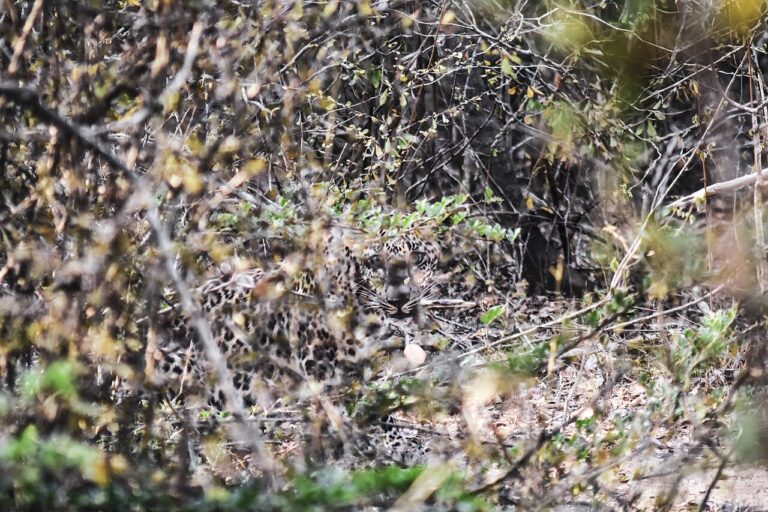 Yala National Park: Sri Lanka’s Leopard Safari GuideYala has one of the highest leopard densities in the world. How to plan your safari, avoid the…
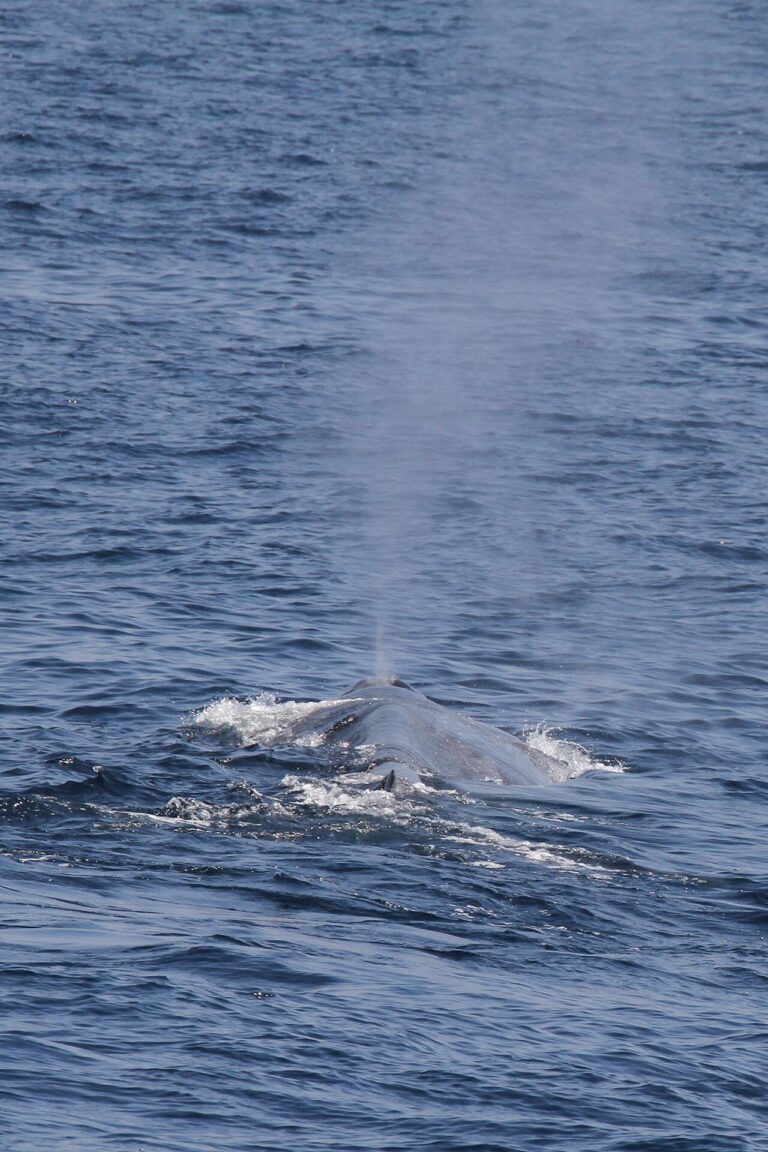 Blue Whale Watching in MirissaThe largest animal ever to have lived feeds just off Sri Lanka's south coast. When to go, and…
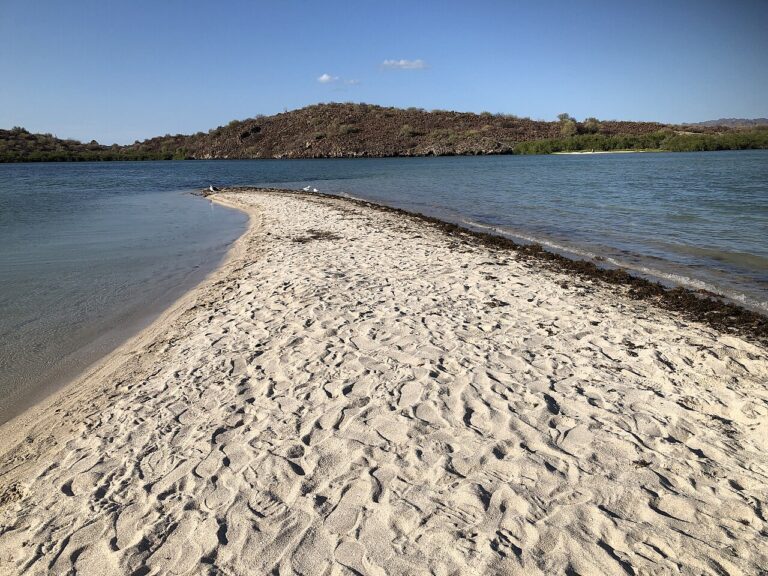 Grey Whale Watching in Baja CaliforniaIn Baja's lagoons, grey whale mothers sometimes bring their calves right up to small boats. When and where…