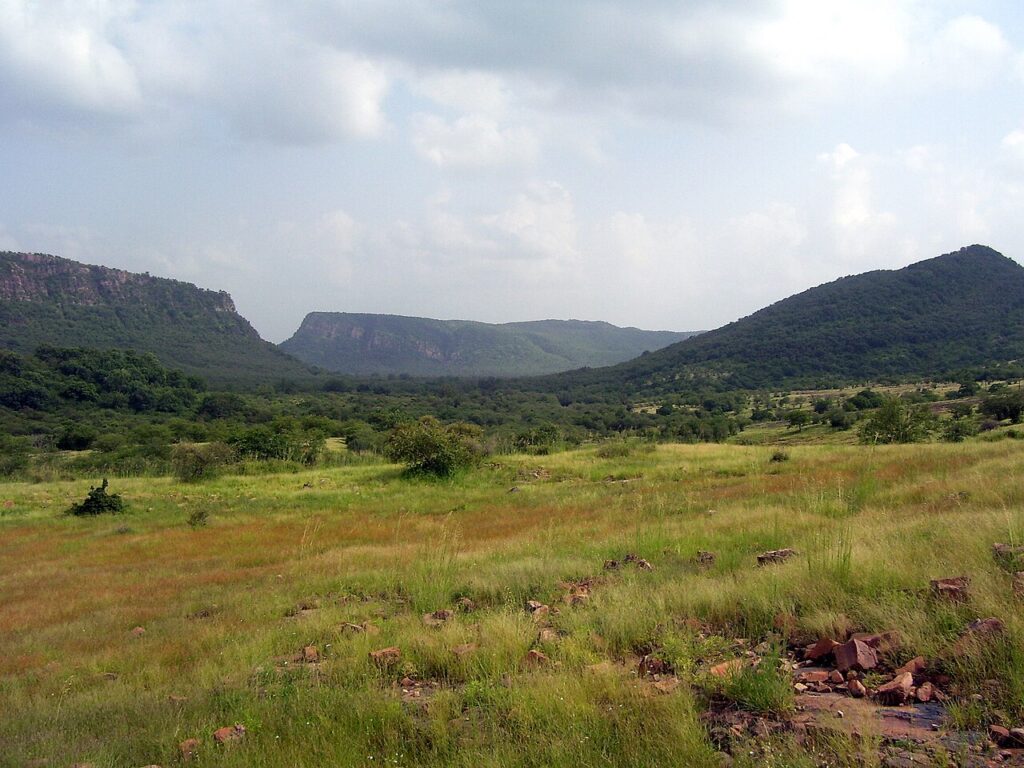
Ranthambore National Park in Rajasthan is one of the best places in the world to photograph wild tigers. Its dry deciduous forest is scattered with lakes, crumbling pavilions and the hilltop Ranthambore Fort, which is part of the UNESCO-listed Hill Forts of Rajasthan. Its tigers are famously tolerant of vehicles and often active in daylight. The park lies about three to four hours by road from Jaipur and is easily reached by train from Delhi.
Ranthambore at a glance
| Location | Sawai Madhopur, Rajasthan, India |
| Area | Tiger reserve of about 1,400 km², including the core national park and buffer zones |
| Best time | October to June; April to June for the highest chance of tigers |
| Closed | Core zones close for the monsoon, usually from 1 July to 30 September |
| Safaris | Twice daily (morning and afternoon), by 6-seat jeep (gypsy) or 20-seat canter |
| Booking | Online through the Rajasthan Forest Department’s official portal |
Tigers of Ranthambore
Ranthambore’s tigers became world famous through documentaries about individual animals. The best known was the tigress Machli (T-16), often called the most photographed tiger in the world, who died in 2016 at around 19 years old. The reserve now supports a healthy population of several dozen tigers, and young tigers from Ranthambore have been translocated to restore populations in Sariska and Mukundra Hills.
Safari zones
The park is divided into 10 tourist zones. Each vehicle is assigned a zone for that drive and must stay on its route.
- Zones 1 to 6: the core areas, including the famous lakes Padam Talao, Rajbagh Talao and Malik Talao (zones 3 and 4) where tigers are often seen near the water and ruins.
- Zones 7 to 10: added later around the edges of the park. These zones are quieter and can have excellent sightings.
Tigers move between zones, so no zone guarantees a sighting. Booking several safaris across different zones gives the best overall chance.
Jeep or canter?
| Gypsy (jeep) | Canter | |
|---|---|---|
| Seats | 6 | Around 20 |
| Experience | More flexible, quieter, better for photography | Higher, bumpier, noisier |
| Cost | Higher per person | Cheaper |
| Booking | Sells out quickly | Easier to get |
How to book
- Book online through the Rajasthan Forest Department’s official portal, which opens bookings well in advance. Popular dates sell out quickly.
- You need passport or identity details for every passenger, and must carry the same ID into the park.
- Many lodges and agents also arrange permits, which is convenient for foreign visitors.
- Be wary of unofficial websites that charge large mark-ups.
When to go
- October to November: the park reopens after the monsoon, green and lush; tigers can be harder to see.
- December to February: cool, pleasant days and very cold morning safaris in open vehicles. Take warm layers.
- March to June: hot and dry. Water sources shrink, drawing tigers to lakes and waterholes. This is the best season for sightings, but temperatures can exceed 45 °C in May and June.
Other wildlife
Beyond tigers, look for leopards (more often in peripheral zones), sloth bears, striped hyenas, sambar, chital (spotted deer), nilgai, chinkara (Indian gazelle), wild boar, mugger crocodiles in the lakes and langur monkeys. The park has around 300 bird species, including painted storks, crested serpent eagles and Indian peafowl.
Where to stay
Lodges line the road from Sawai Madhopur to the park gates. They range from simple guesthouses to luxury tented camps and heritage hotels. Stay close to the gate to make early morning safaris easier.
Getting there
- By train: Sawai Madhopur is on the main Delhi–Mumbai line. Fast trains take about 5 hours from Delhi.
- By road: about 3 to 4 hours from Jaipur, the nearest major airport.
Tips
- Book at least four safaris for a good chance of a tiger sighting.
- Wear neutral colours and bring a scarf or mask for dust.
- Respect the rules: stay in the vehicle, keep quiet, and do not pressure drivers to chase tigers.
- Visit Ranthambore Fort and the Ganesh temple on a rest afternoon.
- Combine Ranthambore with Jaipur, Agra (Taj Mahal) and Keoladeo National Park (Bharatpur) for birds.
Frequently asked questions
What is the best zone in Ranthambore for tigers? Zones 3 and 4, with their lakes and ruins, are famous, but tigers move widely and sightings change from week to week. Booking several safaris across different zones gives the best chance.
How many safaris should I book? At least three to four safaris over two days gives a good chance of seeing a tiger, especially from March to June.
Can foreigners book Ranthambore safaris online? Yes, through the Rajasthan Forest Department’s official booking portal using passport details. Many lodges also book on your behalf.
Is Ranthambore open all year? No. Core zones usually close for the monsoon from 1 July to 30 September. Some buffer zones may remain open; check the official site.
Related guides
- Best places to see tigers in India
- Wildlife photography for beginners
- Wildlife of Asia
- Animal profiles: Tiger, Leopard
Cover photo: THerrington, CC BY-SA 3.0, via Wikimedia Commons