Stick insects are masters of camouflage, looking just like twigs, branches or leaves. They include the longest insects on Earth.
Interesting facts
- Stick insects sway gently to look like twigs moving in the breeze.
- Many species can reproduce without males.
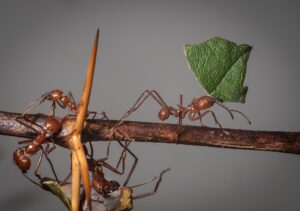
- Their eggs often look like seeds and may be carried away by ants.
- Eggs of some species can survive being eaten by birds, helping them spread.
- The Lord Howe Island stick insect was thought extinct until a tiny population was found on a sea stack in 2001.
- Some species can shed a leg to escape a predator and regrow it.
Behaviour
Stick insects are mostly nocturnal and feed on leaves. By day they stay motionless to avoid detection.
Breeding and young
Females drop or flick their eggs to the ground. In many species, eggs can develop without fertilisation.
Threats and conservation
Habitat loss and invasive predators, especially on islands.
Where to see it
- Rainforests of Borneo and Malaysia on night walks
- Australian forests
- Melbourne Zoo, which breeds Lord Howe Island stick insects
- Insect houses at zoos
Status source: IUCN Red List. Profile last reviewed September 2026.