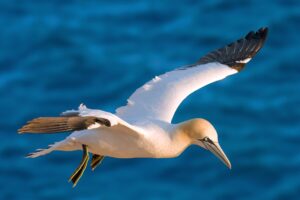
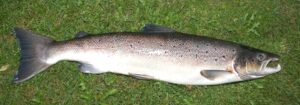
The Atlantic cod is a large, cold-water fish that has shaped economies and cultures around the North Atlantic. Its dramatic collapse in some regions is one of the best-known lessons in fisheries management.
Interesting facts
- A large female cod can release several million eggs in a season.
- Cod helped fuel European trade and exploration of North America for centuries.
- Britain and Iceland fought a series of ‘Cod Wars’ over fishing rights between the 1950s and 1970s.
- The Barents Sea cod stock, managed by Norway and Russia, is the largest in the world.
- Cod dried on wooden racks in Norway’s Lofoten Islands is called stockfish.
- Decades after the moratorium, northern cod off Newfoundland have still not fully recovered.
Behaviour
Cod live near the seabed, often in schools, and migrate to traditional spawning grounds in late winter and spring.
Breeding and young
Females release huge numbers of eggs that float in the water column. Very few survive to adulthood.
Threats and conservation
Overfishing, warming seas and changes in food webs.
Where to see it
- Lofoten Islands, Norway (spawning skrei from February to April)
- Newfoundland, Canada
- The North Sea and around Iceland
- Public aquariums in Europe and North America
Status source: IUCN Red List. Profile last reviewed September 2026.