Glass frogs are small, lime-green tree frogs of Central and South American rainforests, named for their see-through bellies. They live along streams and are indicators of healthy forests.
Interesting facts
- The skin on the underside of many glass frogs is so clear that you can see the heart, liver and gut.
- Their green backs blend with leaves, and their transparent edges soften their outline.
- Eggs are laid on leaves above streams, and tadpoles drop into the water when they hatch.
- In many species, males guard the eggs for days or weeks.
- They are most easily found at night by their high-pitched calls.
- Chytrid fungus has caused declines in many Central American glass frogs.
Behaviour
Glass frogs are nocturnal and spend the day resting on the underside of leaves. At night, males call from leaves over streams to attract females.
Breeding and young
Females lay clutches of eggs on leaves overhanging water. After hatching, the tadpoles fall into the stream below.
Threats and conservation
Deforestation, water pollution, climate change and disease.
Where to see it
- Monteverde Cloud Forest, Costa Rica, on night walks
- Mindo, Ecuador
- Arenal and Sarapiquí, Costa Rica
- Frog exhibits at some zoos
Status source: IUCN Red List. Profile last reviewed September 2026.
Where to see the glass frog
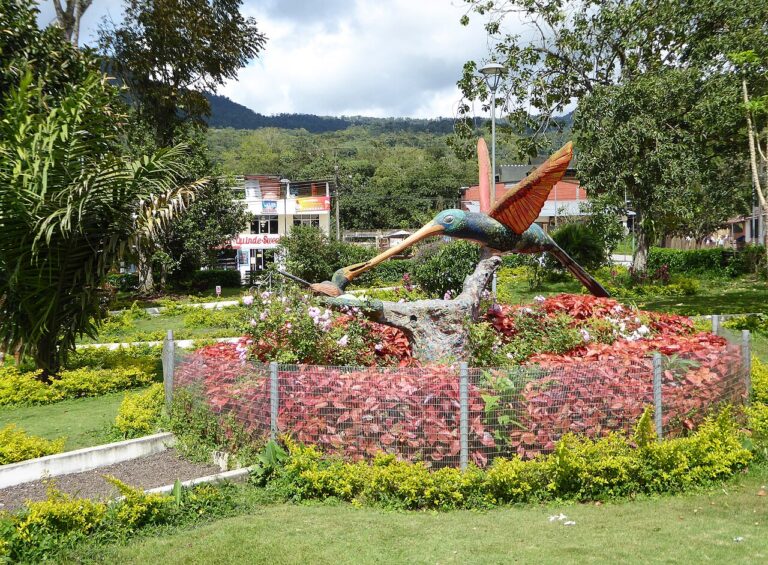 Mindo Cloud Forest Birding GuideJust two hours from Quito, Mindo's cloud forests offer dozens of hummingbirds, antpittas and a spectacular cock-of-the-rock lek.
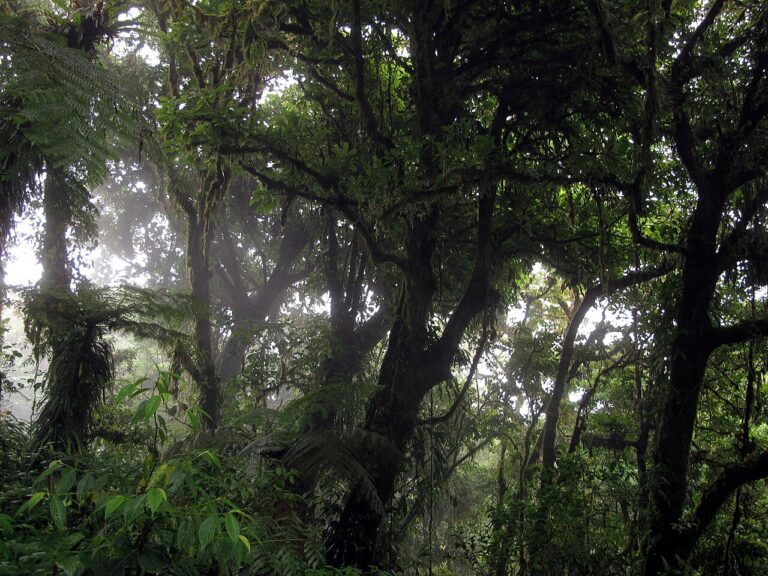 Monteverde Cloud Forest and the Resplendent QuetzalThe resplendent quetzal is one of the most beautiful birds on Earth, and Monteverde's cloud forest is one…