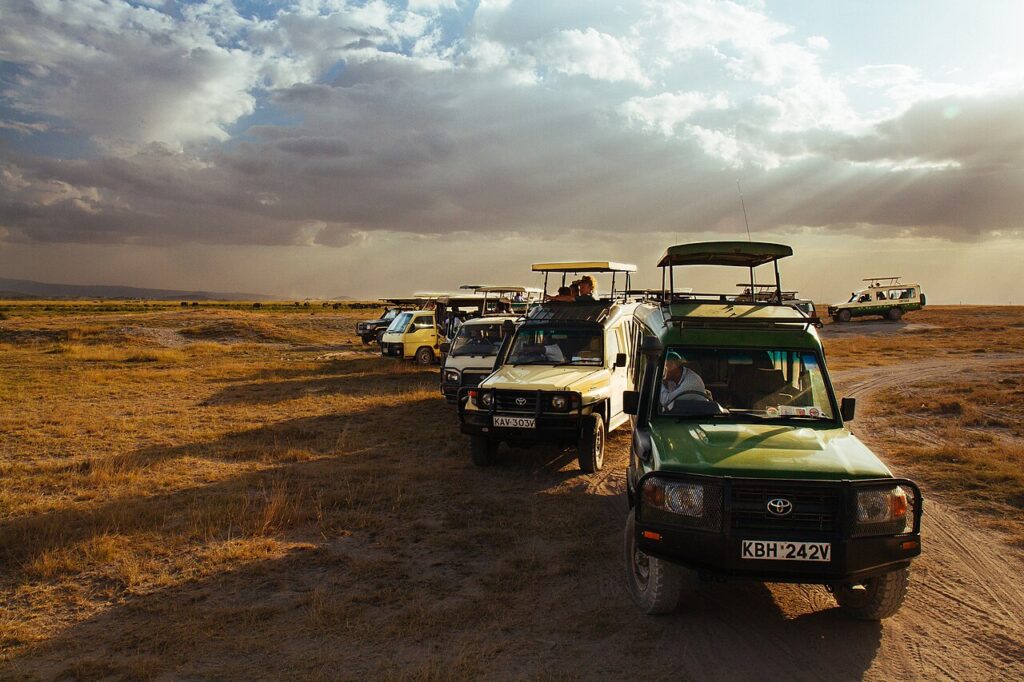
Packing for a safari is different from packing for most holidays. Light aircraft have strict weight limits, early morning drives are cold, afternoons can be very hot, and bright colours can disturb wildlife. This checklist will help you pack light and smart.
Luggage: the golden rules
- Use a soft duffel bag, not a hard suitcase. Light aircraft have small holds, and pilots may refuse hard-shell cases.
- Check the weight limit: it is typically 15 to 20 kg per person, including hand luggage and camera gear, on bush flights in East and southern Africa. Some operators allow extra weight if you buy an additional seat.
- Pack for laundry: most camps offer laundry, so four or five days of clothes is enough for a longer trip.
- Leave plastic bags at home: Kenya, Tanzania and Rwanda ban single-use plastic carrier bags, and they may be confiscated at the airport. Use reusable pouches or packing cubes.
Clothing
Choose neutral colours such as khaki, beige, olive and brown. They show less dust and help you blend in. Avoid:
- Bright colours and white on walking safaris, as they are visible to wildlife from afar.
- Dark blue and black in tsetse fly areas, because these colours attract the flies.
- Camouflage, which is illegal for civilians to wear in some African countries, including Zimbabwe and Zambia.
Clothing checklist
- ☐ 3–4 lightweight, breathable shirts or T-shirts, including long sleeves for sun and insects
- ☐ 2–3 pairs of lightweight trousers or zip-off pants
- ☐ 1–2 pairs of shorts
- ☐ Fleece or warm jumper for early morning game drives
- ☐ Light, packable down or insulated jacket (June to August mornings can be near freezing in southern Africa)
- ☐ Waterproof and windproof jacket
- ☐ Wide-brimmed hat or cap, plus a warm beanie for cold mornings
- ☐ Comfortable closed shoes or light walking boots, and sandals for camp
- ☐ Swimwear (many lodges have pools)
- ☐ Scarf or buff for dust and cold
- ☐ Sleepwear and underwear
Gear and gadgets
- ☐ Binoculars: one pair per person, ideally 8×42 or 10×42
- ☐ Camera with a zoom lens (a 100–400 mm or similar is ideal for wildlife)
- ☐ Spare batteries and plenty of memory cards
- ☐ Power bank and charging cables (some camps have limited power)
- ☐ Universal travel adapter (South Africa uses Type M plugs; East Africa mostly Type G)
- ☐ Headlamp or torch for walking around camp at night
- ☐ Bean bag or small camera support for vehicle photography
- ☐ Dry bag for boat trips and dusty drives
- ☐ Field guide or wildlife app
Health and toiletries
- ☐ Malaria prophylaxis (consult a travel clinic) and any prescription medicines in original packaging
- ☐ Insect repellent with DEET or picaridin
- ☐ High-factor sunscreen and lip balm with SPF
- ☐ Basic first aid kit: plasters, antiseptic, painkillers, antihistamines, rehydration salts and anti-diarrhoea tablets
- ☐ Hand sanitiser and wet wipes
- ☐ Spare glasses or contact lenses, plus eye drops for dust
- ☐ Yellow fever certificate if required for your itinerary
Documents and money
- ☐ Passport valid for at least six months with blank pages
- ☐ Visas or e-visa printouts
- ☐ Travel insurance documents, including medical evacuation cover
- ☐ Flight and booking confirmations, plus photocopies of documents
- ☐ Cash in US dollars for tips and park fees. Bring clean, recent notes; many places refuse old or damaged notes, and notes printed before about 2009 may not be accepted
- ☐ Credit or debit cards, and inform your bank of your travel plans
Extras for gorilla and chimpanzee trekking
- ☐ Waterproof hiking boots with good grip
- ☐ Gardening gloves to grip vegetation
- ☐ Long trousers and gaiters (tuck trousers into socks to keep out ants)
- ☐ Lightweight rain jacket
- ☐ Small daypack with water and snacks
- ☐ Walking pole (often provided at the park)
- ☐ Face mask (required in some parks to protect gorillas from human diseases)
Extras for walking safaris
- ☐ Broken-in, quiet walking shoes or boots in neutral colours
- ☐ Long trousers and long-sleeved shirt
- ☐ Small daypack and water bottle
What to leave at home
- Hard suitcases
- Drones (banned in most national parks without special permits)
- Expensive jewellery
- Bright or camouflage clothing
- Single-use plastic bags
Frequently asked questions
What colours should I wear on safari? Neutral colours such as khaki, beige, olive and brown. Avoid bright colours on walks, dark blue and black in tsetse areas, and camouflage, which is illegal for civilians in some countries.
How much luggage can I take on a safari flight? Usually 15 to 20 kg per person in a soft bag, including hand luggage. Check your operator’s rules.
Do I need hiking boots for a safari? Not for game drives. Comfortable closed shoes are enough. For walking safaris or gorilla trekking, bring broken-in walking or hiking boots.
Should I bring cash? Yes. Bring clean, recent US dollar notes for tips and some fees. Many camps also accept cards.
Related guides
- How much does a safari cost?
- First African safari planning guide
- Gorilla trekking: Uganda vs Rwanda
- Wildlife photography for beginners
Cover photo: rcrhee, CC BY-SA 2.0, via Wikimedia Commons